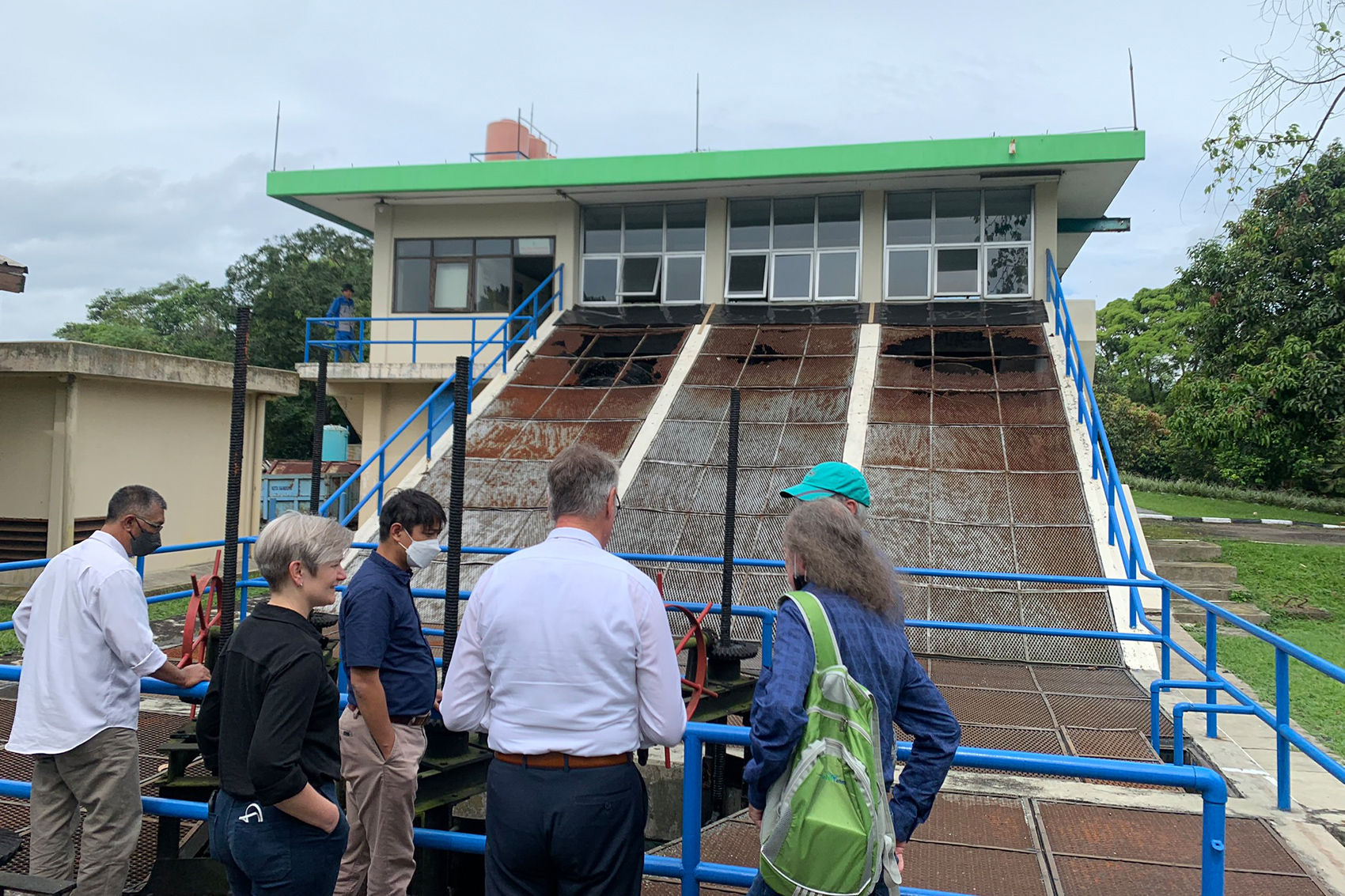
Reports indicate that the poverty rate in Indonesian villages has reached 11.03% as of March 2025, reflecting the significant challenges faced by these communities. This data emerges amid increasing calls for infrastructure improvements in rural areas, which are deemed essential for achieving sustainable development.
The Indonesian government aims to implement developmental projects designed to enhance living standards in villages by improving roads, providing clean water, and bolstering health and educational services. These projects seek to bridge the gap between urban and rural areas and create job opportunities for local residents.
Event Details
Data shows that poverty in Indonesian villages remains a major challenge, with many residents living under difficult economic conditions. The government, through its various institutions, is working on comprehensive strategies aimed at addressing this issue. These strategies include improving infrastructure, enhancing education, and providing financial support to farmers.
Additionally, there is a growing effort from civil society to contribute to these initiatives, as awareness campaigns are organized to encourage residents to participate in local development programs. These efforts reflect an increasing consciousness about the importance of sustainable development in improving living conditions.
Background & Context
Historically, Indonesia has faced multiple economic and social challenges, with villages particularly affected by economic and political crises. Over the years, the government has attempted to implement developmental programs, but the results have been mixed. Poverty in rural areas is often linked to a lack of infrastructure, making it difficult for residents to access essential services.
Indonesia is one of the largest countries in Southeast Asia, boasting significant cultural and geographical diversity. However, the gap between urban and rural areas persists, necessitating urgent interventions to improve the economic and social situation in villages.
Impact & Consequences
Improving infrastructure in villages can lead to multiple positive outcomes. By providing good roads, trade movement can be enhanced, and job opportunities can increase. Moreover, improving health and educational services can contribute to raising education levels and health awareness among residents.
Furthermore, these improvements may reduce migration from villages to cities, as many young people seek better opportunities in urban areas. By promoting local development, families can remain in their villages, contributing to the stability of rural communities.
Regional Significance
Indonesia's experience in combating poverty and developing infrastructure is particularly relevant for Arab countries, many of which face similar challenges. The lessons learned from Indonesia can assist Arab nations in designing effective strategies to combat poverty and promote sustainable development.
Additionally, cooperation between Arab countries and Indonesia in development fields can facilitate the exchange of experiences and strengthen economic relations. Improving living conditions in villages can have a positive impact on social and economic stability in the region.