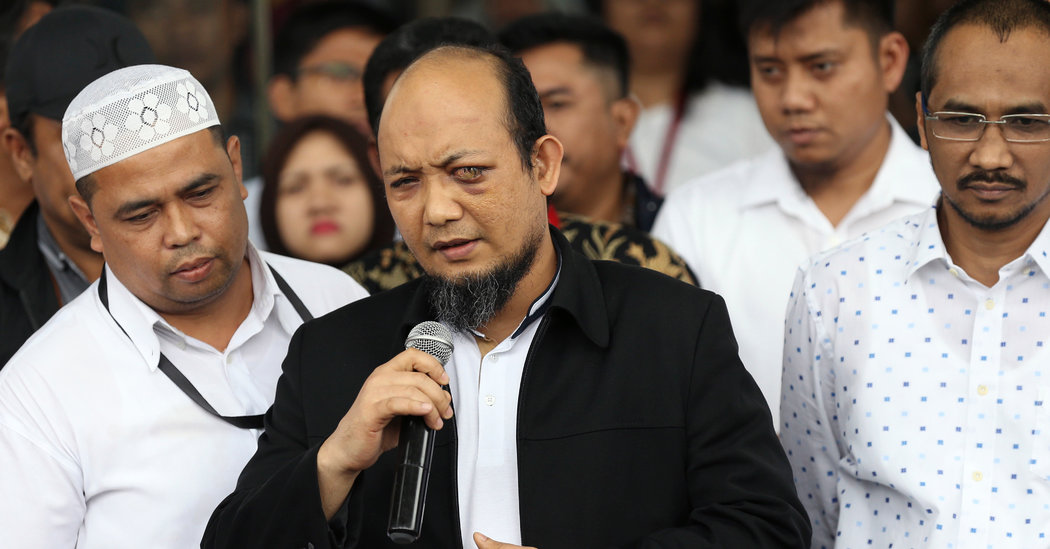
The head of Indonesia's KontraS, Andria Vernita, revealed that activist André Younes' condition has deteriorated following an acid attack, leaving him in intensive care two weeks after the incident. Reports indicate that André is receiving intensive medical care due to serious injuries, including damage to his eyes and burns on his body.
Andria noted that André can only be visited by family members and some KontraS members to minimize the risk of infection or other complications. She confirmed that his health remains unstable, despite the lack of precise information about his condition from outside sources.
Details of the Incident
André Younes, a prominent human rights activist in Indonesia, was attacked with acid earlier this month, sparking widespread condemnation in civil society. He was transferred to the hospital where he is undergoing treatment in the intensive care unit, having been diagnosed with serious injuries requiring specialized medical care.
On the other hand, the Indonesian Witness and Victim Protection Agency (LPSK) confirmed that it is providing support to André and his family, including covering medical treatment and necessary care costs. This support comes at a critical time, as André's health situation requires ongoing care and close monitoring.
Background & Context
Incidents of assault against activists in Indonesia are a troubling phenomenon, with the country witnessing a rise in violence against human rights defenders in recent years. These activists often face threats and attacks, raising questions about the safety of the human rights environment in the country.
Historically, Indonesia has struggled with human rights issues, with numerous violations documented during various periods of its history. However, the increasing assaults on activists highlight the urgent need to enhance legal protections and provide a safe environment for human rights work.
Impact & Consequences
The repercussions of André Younes' incident extend beyond the individual, raising widespread concern about the safety of activists in Indonesia. Continued assaults on human rights defenders could lead to a decline in civil activism and undermine efforts to promote human rights in the country.
Moreover, these incidents may negatively impact Indonesia's reputation on the international stage, as the country faces increasing pressure from human rights organizations and the international community to investigate these incidents and ensure accountability for the perpetrators.
Regional Significance
The issue of human rights in Indonesia is particularly significant for the Arab region, where many Arab countries face similar challenges in the realm of human rights. Attacks on activists anywhere in the world raise global concern and highlight the need for solidarity among peoples in the face of violations.
Indonesia's experience in dealing with human rights issues can serve as a lesson for Arab countries, potentially contributing to raising public awareness and advocating for improved human rights conditions in the region.
In conclusion, André Younes' condition underscores the urgent need to protect activists in Indonesia and reflects the challenges faced by human rights defenders worldwide. It requires joint efforts from civil society and governments to ensure the safety of these activists and empower them to continue their vital work in defending human rights.