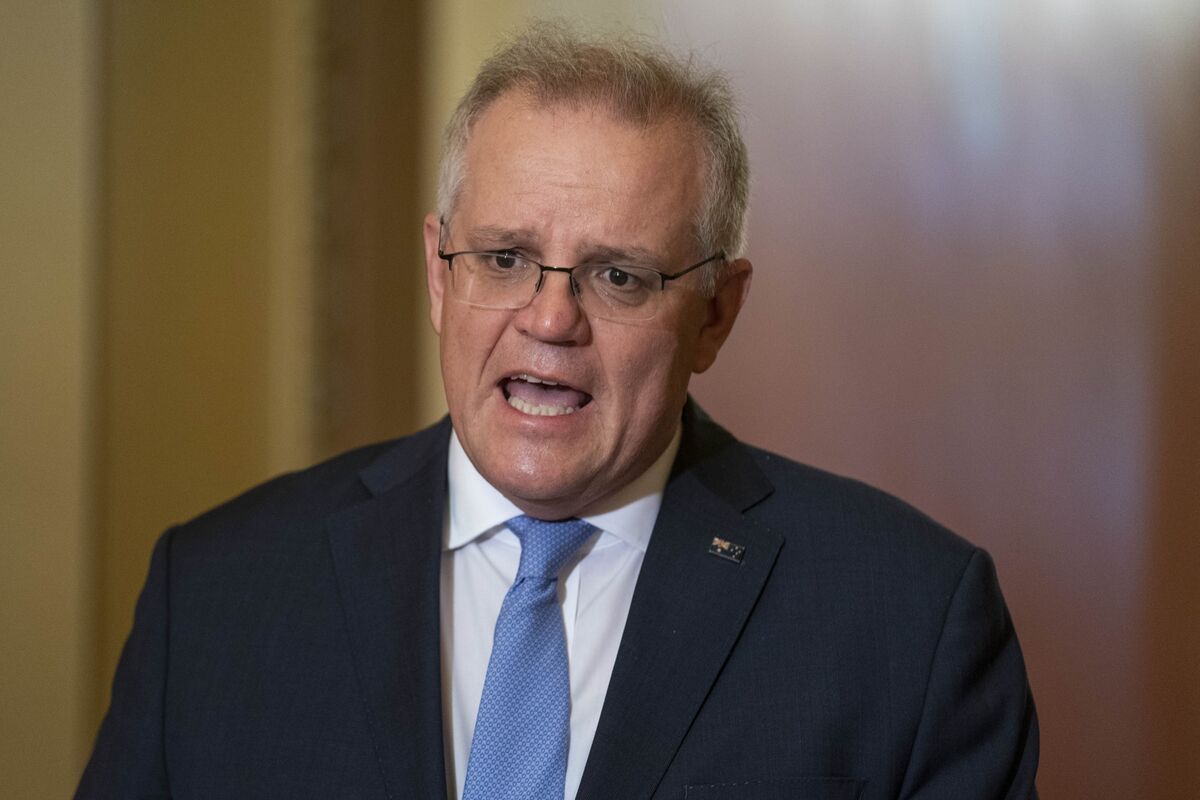
The Australian government has announced an expansion of fuel tax cuts aimed at alleviating financial burdens on families amid rising fuel prices due to the ongoing war in Iran and its impact on global supply chains.
This move comes at a time when Australian citizens are facing increasing economic pressures, as fuel prices have risen significantly in recent months, adversely affecting household budgets. The Australian Treasurer has confirmed that the government is committed to protecting consumers from the effects of these increases.
Details of the Initiative
The Australian government seeks to ease the burden on citizens through this measure, having announced additional tax cuts on fuel, which will contribute to lowering prices at fuel stations. The Treasurer indicated that these cuts will remain in effect for a specified period, in an attempt to ensure price stability in the market.
He also clarified that the government is closely monitoring the situation and is prepared to take further action if prices continue to rise. This decision comes at a sensitive time, as the war in Iran continues to affect global supply chains, increasing uncertainty in the markets.
Background & Context
Historically, Australia has experienced fluctuations in fuel prices, especially during times when global markets face crises. The war in Iran, which began earlier this year, has led to significant disruptions in supply chains, impacting global oil prices. Fuel prices in Australia have seen a noticeable increase, prompting the government to take swift action to mitigate the effects of this rise on citizens.
Fuel taxes are one of the main sources of government revenue, but the Australian government recognizes that maintaining citizens' purchasing power is crucial during this critical period. Therefore, the tax cuts represent a strategic step aimed at balancing government revenue with the needs of citizens.
Impact & Consequences
The tax cuts on fuel are expected to have a positive impact on Australian families, as they will help reduce daily costs. Additionally, this move may enhance consumer confidence in the economy, potentially leading to increased local spending and stimulating economic growth.
However, the biggest challenge remains how to deal with future fluctuations in oil prices. If the war in Iran continues or global crises worsen, the government may need to take further measures to maintain price stability.
Regional Significance
Arab countries are directly affected by fluctuations in global oil prices, as they are among the largest producers and exporters of oil. Therefore, any increase in oil prices could impact Arab economies, especially those that heavily rely on oil revenues.
Moreover, the war in Iran could lead to increased tensions in the region, which may affect market stability. Thus, monitoring developments in Australia may be particularly significant for Arab countries, as these policies could reflect how governments respond to economic crises.
In conclusion, Australia aims to protect its citizens from the repercussions of global crises through fuel tax cuts, reflecting the importance of a swift and effective response to economic challenges.