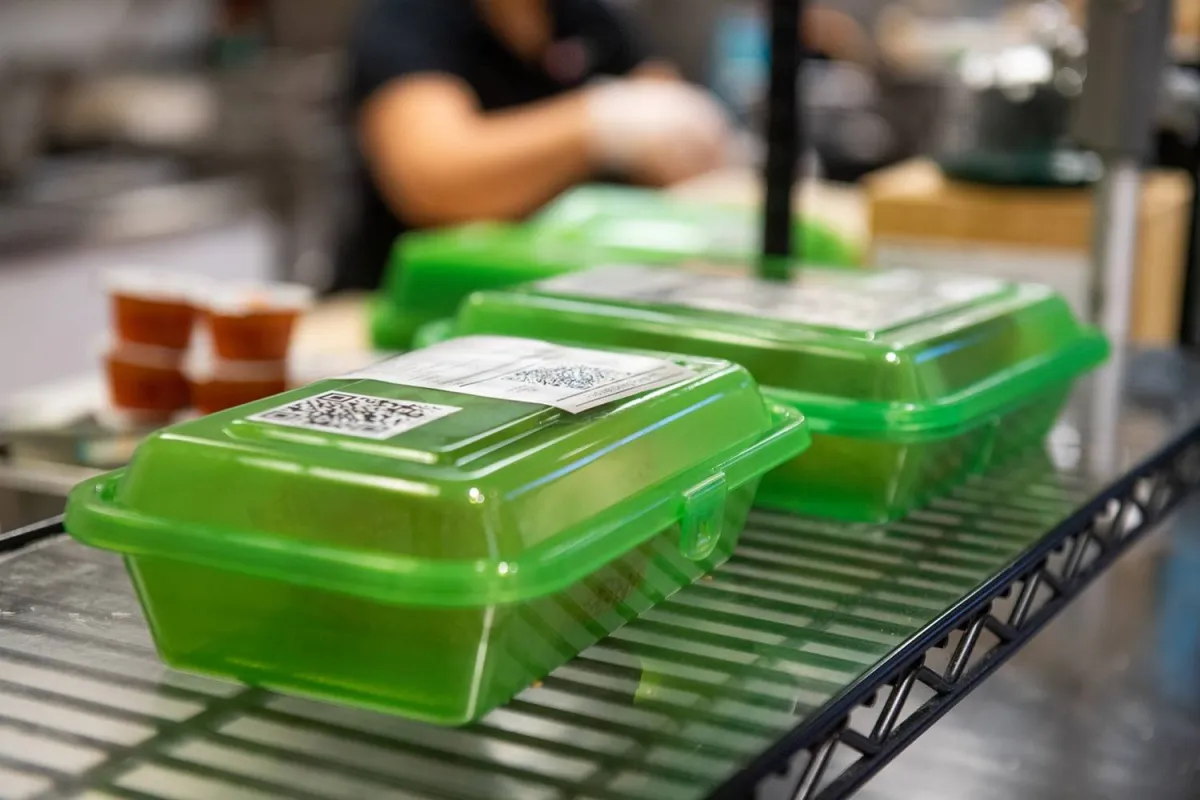
Food safety experts warn that using plastic containers for storing certain common foods can accelerate spoilage and pose significant health risks to consumers. These experts point out that fruits and vegetables may react negatively with plastic, promoting bacterial growth and releasing harmful chemicals.
Reports have indicated that plastic, despite its ease of use and widespread availability, can create an ideal environment for bacterial growth. The American magazine "Real Simple" has confirmed that these negative interactions become more pronounced when it comes to hot or moist foods.
Details of the Warning
Brad Lamb, a food toxicology researcher at the National Science Foundation concerned with public health standards in the United States, explained that there are five types of foods recommended to avoid storing in plastic containers. He emphasized the importance of replacing them with safer options, such as glass containers or paper packaging.
Raw meats and poultry top the list of foods that require special care. They release natural juices that are fertile grounds for bacteria such as salmonella and Escherichia coli. For these reasons, it is preferable to store meats in airtight glass containers or wrap them in designated paper, placing them on the bottom shelf of the refrigerator to avoid contaminating other foods.
Background & Context
Fresh dairy products like cheeses and milk also do not differ significantly; they too require proper ventilation to maintain their quality. Plastic containers tend to trap moisture, promoting the growth of bacteria and mold, leading to rapid spoilage. Therefore, it is advisable to keep them in their original packaging or wrap them in breathable paper.
On the other hand, fruits that produce ethylene gas, such as apples, bananas, and tomatoes, are harmed by being stored in plastic. The accumulation of this gas inside closed containers hastens their ripening and can lead to spoilage and mold formation. Thus, it is recommended to store these fruits in perforated containers that allow air circulation, while keeping bananas away from other fruits to minimize their impact.
Impact & Consequences
Leafy vegetables and fresh herbs also require good ventilation to maintain their freshness. However, moisture retention in plastic leads to wilting, the formation of a slimy layer, and bacterial growth. Therefore, it is advised to wrap herbs in slightly damp paper towels and then place them in open containers that allow for air renewal.
As for leftovers, storing them while hot in plastic containers is considered one of the most dangerous practices. This leads to steam buildup and increased temperature inside the container, placing the food in the "danger zone" for bacterial growth. Hence, it is essential to allow food to cool before storing it and to use heat-resistant glass containers as a safer option.
Regional Significance
With the increasing global consumption of plastic containers, awareness of the risks associated with their use in food storage has become essential, especially in communities that commonly use plastic, such as the Arab region. Proper food storage and protection from contamination are considered fundamental parts of food security in every country.
Despite the challenges of eliminating plastic from daily life, focusing on reducing its use with the mentioned foods is an important step towards ensuring the safety of our food and public health.