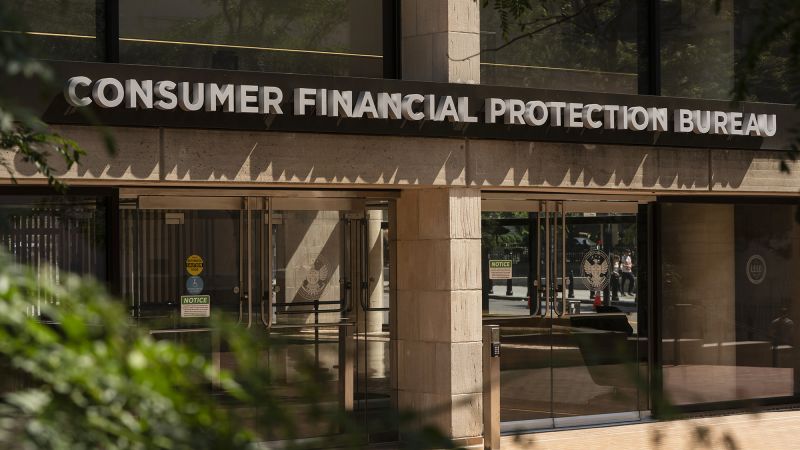
The Biden administration has announced a scaling back of its plans to dismantle the Consumer Financial Protection Bureau (CFPB), while still aiming to reduce the workforce by up to two-thirds. This decision comes amid increasing pressure on the administration to address consumer issues, especially in light of current economic challenges.
As part of these plans, the administration seeks to restructure the bureau in a way that ensures cost reduction while maintaining some essential positions. This decision has sparked mixed reactions among lawmakers and observers, with some arguing that this move could negatively impact the bureau's ability to protect consumer rights.
Details of the Event
The Consumer Financial Protection Bureau, established after the financial crisis in 2008, aims to protect consumers from unfair practices in the financial sector. However, the Biden administration, which had promised to strengthen this bureau, now faces new challenges that require difficult decisions. According to reports, the new plan involves reducing the number of employees from approximately 1,600 to just 500, raising concerns about the bureau's capacity to perform its duties effectively.
This trend comes at a time when the American economy is under increasing pressure, with rising prices for goods and services, highlighting the importance of having a strong consumer protection agency. Some observers have noted that reducing the workforce could lead to a decrease in the ability to handle complaints and provide assistance to consumers in need.
Context and Background
The Consumer Financial Protection Bureau was established in 2010 as part of the Dodd-Frank Act, which was enacted following the global financial crisis. The bureau has played a vital role in protecting consumer rights by enforcing laws that prohibit unfair practices in the financial sector. However, the bureau has faced criticism from some lawmakers who believe it overregulates the financial sector, potentially harming innovation and economic growth.
In recent years, the bureau has undergone changes in leadership and policies, as various administrations have attempted to adjust its role according to their economic visions. However, the current economic challenges, including inflation and unemployment, may make it difficult for the bureau to maintain its effective role in consumer protection.
Consequences and Impact
Reducing the workforce at the Consumer Financial Protection Bureau could have far-reaching effects on the bureau's ability to protect consumer rights. This decision may lead to an increase in unresolved complaints, which could harm consumers in need of assistance. Additionally, this move may also reflect a broader trend toward reducing regulation in the financial sector, which could have negative long-term consequences.
On the other hand, some observers argue that reducing the workforce could help decrease government spending, allowing the administration to redirect resources to other areas. However, balancing cost reduction with consumer protection will be a significant challenge.
Impact on the Arab Region
Although this news pertains to the United States, it may have potential implications for the Arab region. As economic challenges increase globally, Arab countries may look to strengthen their consumer protection agencies, especially in light of the economic crises they face. Additionally, American experiences in this field may provide important lessons for Arab countries on how to address consumer issues.
In conclusion, it remains to be seen how these plans will affect the Consumer Financial Protection Bureau and its ability to perform its duties. Protecting consumer rights remains a vital issue in any economy, and governments must balance cost reduction with the preservation of these rights.