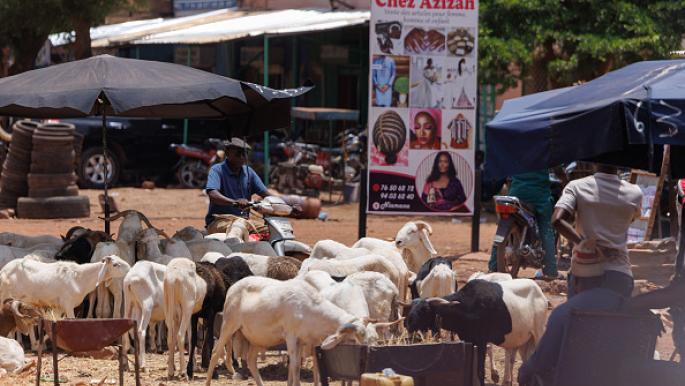
Bamako, the capital of Mali, is experiencing exceptional circumstances as Eid al-Adha approaches, with armed groups linked to Al-Qaeda enforcing blockades on major roads. This situation has led to a severe transportation crisis, isolating the city from surrounding areas.
The security situation in Bamako, a vital center in Mali, has noticeably deteriorated, with an increase in armed attacks complicating transportation. As Eid al-Adha draws near, residents face significant challenges in securing their basic needs, heightening anxiety and tension within the city.
Details of the Situation
The transportation network in Bamako is severely affected due to the blockades imposed by armed groups. Eyewitnesses have reported that the main roads leading to the capital have been closed, resulting in a sharp shortage of goods and services. Many citizens are struggling to move between different neighborhoods, further increasing their hardships.
This blockade coincides with the approach of Eid al-Adha, one of the most important religious occasions in the country, adding pressure on families trying to meet the holiday's needs. Many residents have expressed their dissatisfaction with the current situation, calling on authorities to intervene immediately to protect civilians and secure the roads.
Background & Context
Historically, Mali has faced armed conflicts since 2012 when militants seized control of the northern regions. Since then, the Malian government has struggled to regain control over the affected areas. International military interventions have occasionally improved the situation, but security challenges remain persistent.
The Sahel region, which includes Mali, is one of the most affected areas by armed conflicts, hosting numerous extremist groups. These groups pose a threat to regional security, necessitating international cooperation to address this phenomenon.
Impact & Consequences
The blockade directly impacts Bamako's local economy, as traders suffer from shortages of goods, leading to rising prices. The deteriorating security situation may deter investors from entering the Malian market, exacerbating economic conditions.
Moreover, the worsening security situation could lead to new waves of displacement, as residents seek to escape conflict-affected areas. This may increase pressure on other cities, including Bamako, which is already struggling with infrastructure and basic service issues.
Regional Significance
The situation in Mali is part of broader security challenges facing the Sahel region. The continuation of armed conflicts in this area may affect stability in neighboring countries, calling for greater international attention.
Additionally, the situation in Mali could have implications for regional security, as armed groups may spill over into other countries in the region, complicating security conditions in North Africa.
In conclusion, the situation in Bamako requires an urgent response from local and international authorities. Protecting civilians and securing roads should be a priority for the government, especially with Eid al-Adha approaching, which holds significant religious and social meanings for the population.