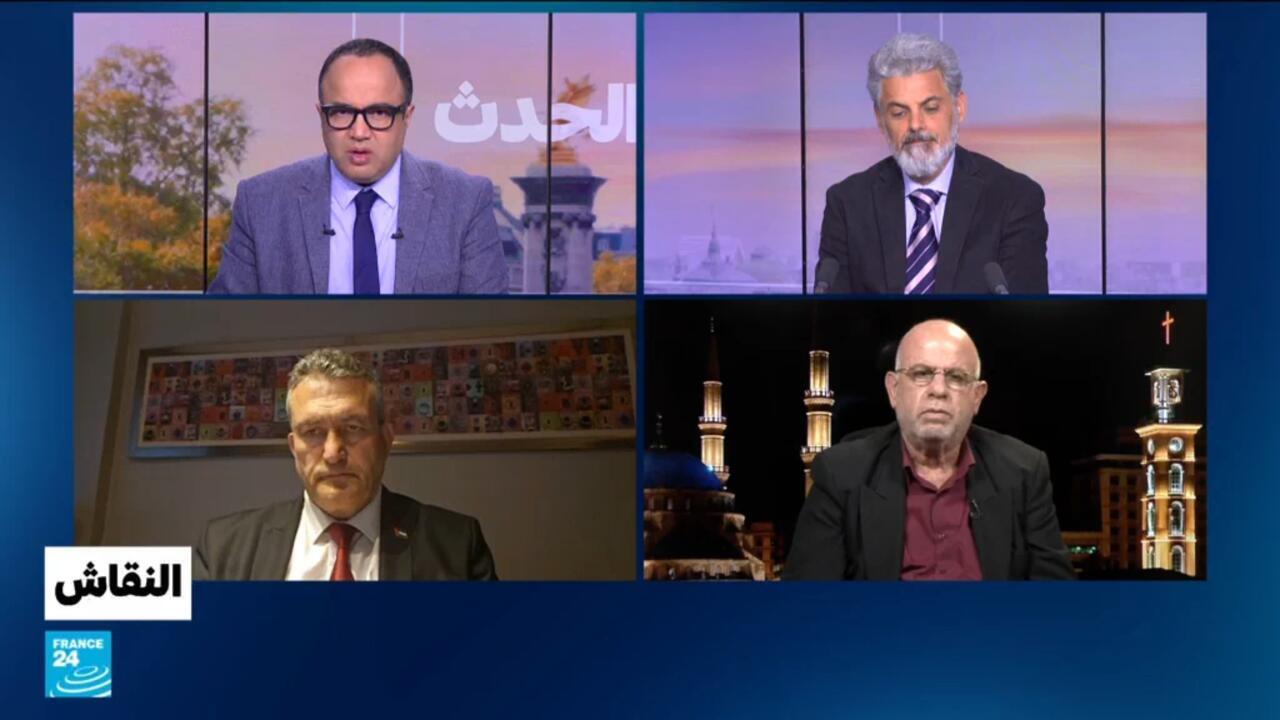
Lebanon and Israel have announced a ceasefire agreement after a round of negotiations held in the U.S. capital, Washington. This development comes at a sensitive time, as clashes erupted between the two sides amid rising tensions in the region due to the Iranian war.
Despite this diplomatic achievement, Lebanon faces deep internal challenges. The recent war caused widespread destruction in southern regions, displacing over one million people and bringing to the forefront the political and sectarian divisions that have long plagued the country.
Details of the Ceasefire Agreement
The negotiations in Washington were conducted under international sponsorship, as the involved parties sought a peaceful resolution to the ongoing conflict. The agreement includes an immediate ceasefire, allowing humanitarian efforts to rebuild the affected areas. However, the question remains about the sustainability of this agreement given the complex political circumstances in Lebanon.
The political divisions in Lebanon have historical roots, where sectarian interests intertwine with politics. This situation complicates the Lebanese government's ability to make unified decisions, further complicating peace efforts.
Background & Context
Lebanon has a long history of internal and external conflicts. Since the civil war that erupted in the 1970s, the country has suffered from deep divisions among various sects. These divisions have been exacerbated by recent events, as the war has intensified humanitarian and economic conditions.
The Iranian war, which began in 2023, has had profound effects on Lebanon, as Lebanese territory has been used as a battleground. This situation has made Lebanon susceptible to external interventions, complicating the political landscape even further.
Impact & Consequences
The new ceasefire agreement may help ease tensions, but it does not resolve the internal crises. The ongoing displacement and destruction in southern Lebanon require both international and local efforts for reconstruction and stabilization.
The economic repercussions of this conflict will be long-lasting, as Lebanon suffers from a severe economic crisis. The need for humanitarian aid and infrastructure rebuilding will be a top priority, but this requires political stability.
Regional Significance
This development may affect relations between Arab countries and Israel, as it could be seen as a step towards improving relations. However, the situation in Lebanon remains an example of the challenges Arab countries face in achieving internal stability.
Arab nations are looking to support Lebanon during this critical phase, as Lebanon's stability is crucial for regional security. Cooperation among Arab countries may be essential to address common challenges.
In conclusion, the ceasefire agreement between Lebanon and Israel represents a positive step, but it highlights the internal crises that need comprehensive addressing. The future requires the concerted efforts of both local and international stakeholders to achieve peace and stability in the region.