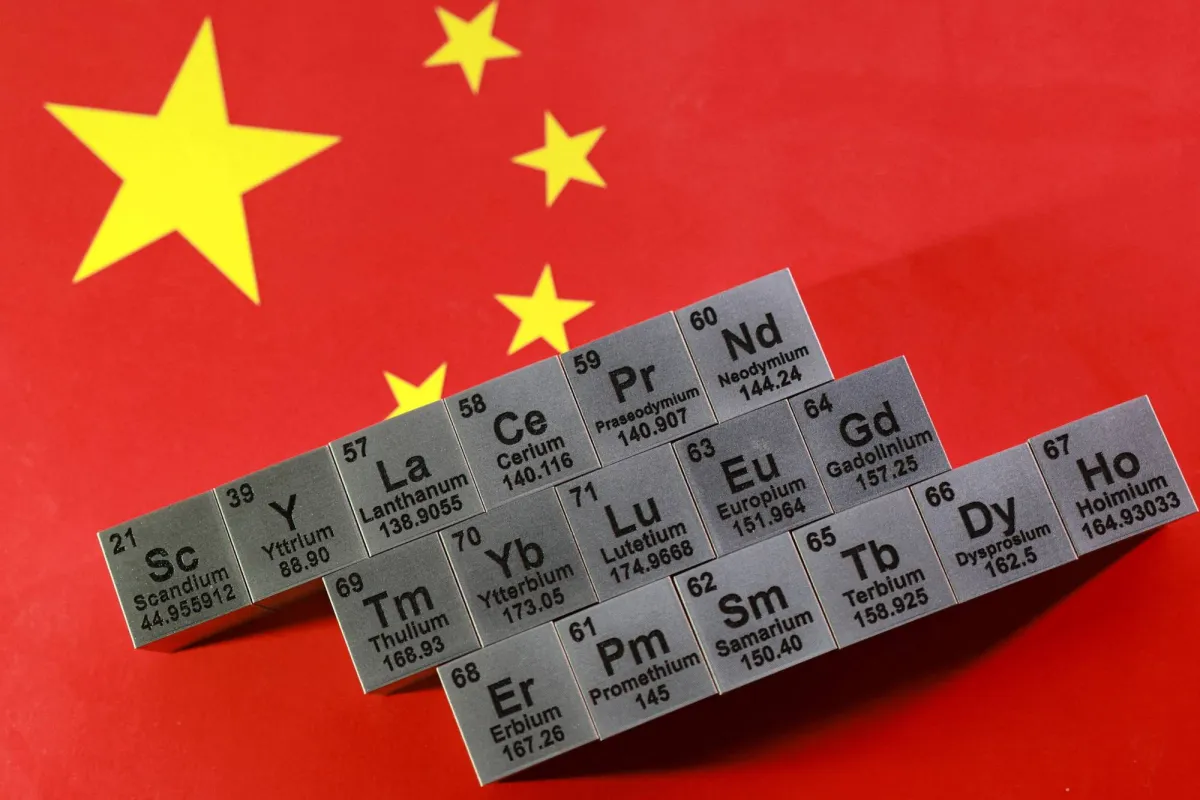
China has halted supplies of heavy rare earth metals to Japan for over four months, reflecting escalating tensions between the two nations over Taiwan. This move indicates Beijing's use of vital resources as a diplomatic pressure tool, as Japan heavily relies on China for importing these essential metals.
Japan is the largest manufacturer of rare earth metal magnets outside China, yet it faces significant challenges due to its dependence on Beijing for importing the necessary minerals for its industries, including magnet production, aerospace, and defense. Among the metals that China has stopped exporting to Japan are dysprosium, terbium, yttrium oxide, and gallium, which is used in electronic chip manufacturing.
Details of the Event
Since last December, Chinese exports of rare earth metals to Japan have ceased, with the exception of a few shipments of yttrium. The company Shin-Etsu, one of Japan's largest magnet manufacturers, has stopped accepting new orders for magnets containing dysprosium, reflecting the impact of these restrictions on the Japanese industry. These measures come at a sensitive time, as diplomatic disputes between Beijing and Tokyo have intensified over the Taiwan issue.
In January, China announced tighter export controls to Japan, raising concerns among major companies, including the shipbuilding and aircraft engine divisions of Mitsubishi Heavy Industries. Japanese Trade Minister Ryoshi Akazawa is scheduled to visit China in an attempt to negotiate this issue, marking the first high-level Japanese official visit to China since the beginning of the dispute.
Background & Context
Historically, Japan has faced similar tensions with China over rare earth metals, experiencing comparable pressures in 2010, which prompted it to build stockpiles and increase reliance on alternative sources. Japan has contributed to financing alternative production companies such as Lynas Rare Earths from Australia, which became the first commercial producer of terbium and dysprosium outside China last year.
Japan is also seeking to diversify its sources of rare earth metal supplies, launching projects to produce these elements in Australia and France, in addition to a gallium production project. However, it is likely to take years to compensate for the shortfall in Chinese supplies.
Impact & Consequences
These restrictions significantly impact the Japanese industry, as companies face challenges in securing the raw materials needed for producing magnets and electronic chips. TDK Corporation, a manufacturer of electronic components, has reported that it does not expect a significant impact at this time, but it is working on diversifying its supply sources.
At the same time, the Japanese Nikkei stock index has risen to record levels, supported by gains in artificial intelligence companies. Nevertheless, concerns remain about the impact of these tensions on global markets, especially given the heavy reliance on rare earth metals in modern industries.
Regional Significance
These developments are significant for the Arab region, as many countries depend on modern technologies that utilize rare earth metals. Additionally, the tensions between China and Japan may affect metal prices in global markets, which could reflect on the economies of Arab countries that import these materials.
In conclusion, all eyes remain on the developments in Sino-Japanese relations, especially amid increasing global economic challenges. It is crucial for Arab nations to monitor these developments to understand their potential impact on their markets and economies.