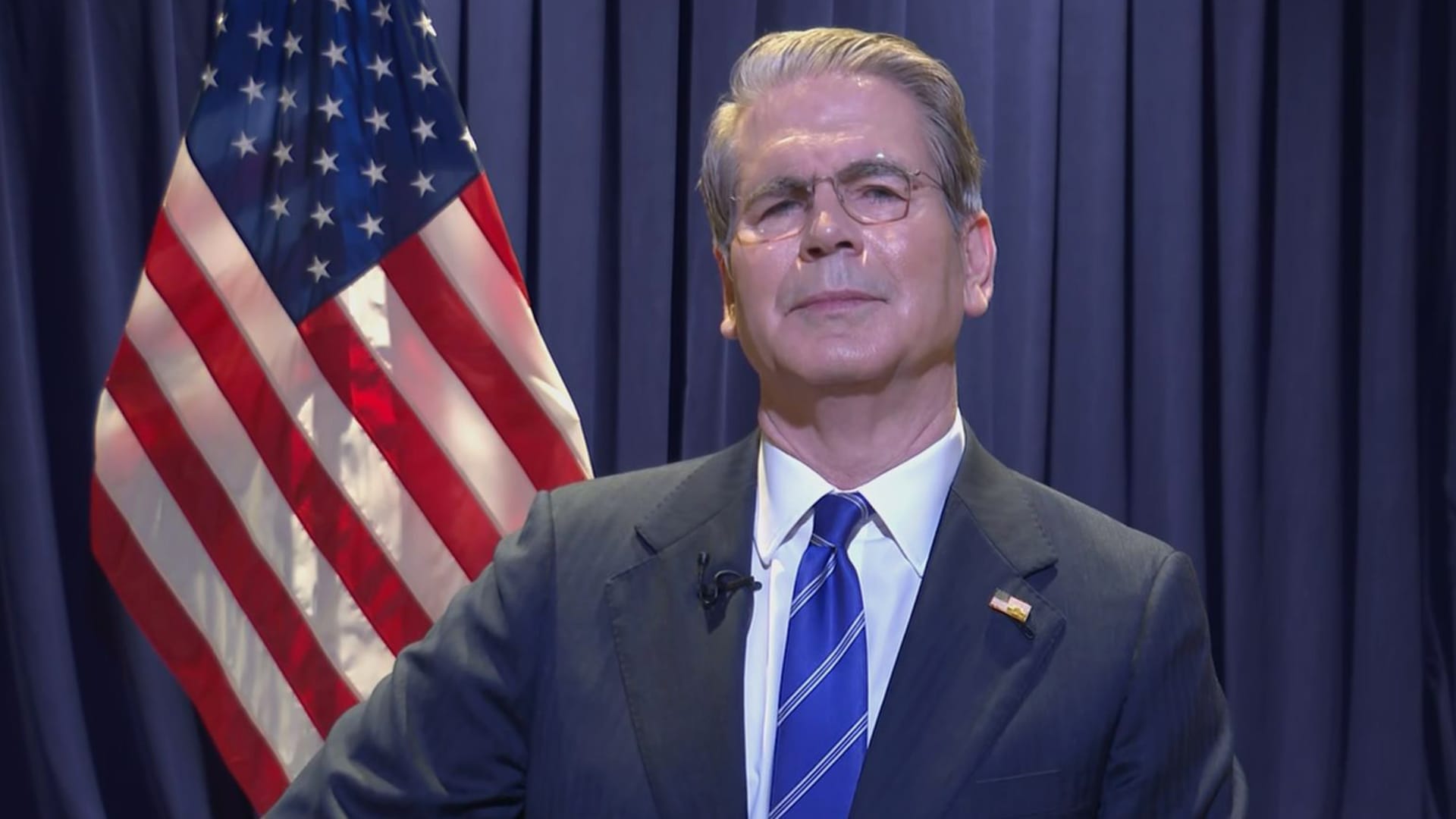
U.S. Treasury Secretary Scott Pisent confirmed that China will work behind the scenes to reopen the Strait of Hormuz as part of its efforts to safeguard its economic interests in the region. This statement was made during an interview with CNBC, where he emphasized that reopening the strait is vital for China's interests.
Pisent added that China imports about 10% of its oil from Iran, with over half of its oil imports coming from the Middle East. He noted that most of Iran's oil exports go to China, making it in Beijing's interest to work towards ending the blockade imposed on the strait.
Details of the Event
U.S. President Donald Trump held talks with his Chinese counterpart Xi Jinping during a two-day summit in Beijing. A White House official reported that the leaders agreed on the necessity of reopening the Strait of Hormuz to ensure the free flow of energy. President Xi also expressed his opposition to arming the strait or imposing fees on its use.
Since early March, Iran has imposed a blockade on the strait in response to U.S. and Israeli airstrikes that resulted in the deaths of several of its leaders, including Supreme Leader Ayatollah Ali Khamenei. This blockade has halted oil exports from the Arabian Gulf to global markets, causing the largest supply disruption in history.
Background & Context
The Strait of Hormuz is one of the most important maritime passages in the world, through which approximately 20% of global oil exports transit. Historically, the strait has witnessed numerous tensions due to regional conflicts and external interventions. Iran has always been a key player in these tensions, seeking to control this vital passage.
Currently, Iran is attempting to impose a fee system on ships passing through the strait, which is a major point of contention in stalled negotiations with the United States. This move could exacerbate the situation in the region and heighten tensions.
Impact & Consequences
An analysis of the current situation indicates that reopening the Strait of Hormuz could have significant effects on global oil prices. If the blockade continues, it could lead to a substantial increase in prices, impacting the global economy. Conversely, China's success in reopening the strait may enhance its influence in the region and increase its reliance on Iranian oil.
As the world's largest oil importer, China is also looking to diversify its energy sources. Pisent pointed out that China and other countries are seeking more stable energy sources away from the Middle East, which could reshape the global energy map.
Regional Significance
Arab countries in the Arabian Gulf are directly concerned with developments in the Strait of Hormuz. Any disruption in oil flow from this strait could significantly affect the economies of these countries, which heavily rely on oil revenues. Additionally, escalating tensions could lead to an intensification of conflict in the region, negatively impacting regional stability.
In conclusion, the future of the Strait of Hormuz remains suspended between political tensions and economic interests. China's efforts to reopen the strait could be a step towards achieving stability, but they may also reflect greater complexities in international relations.