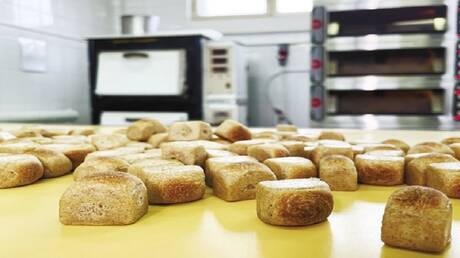
Andrei Federnikov, head of the space food department at the Food Research Institute, has revealed the development of a new type of bread that boasts a shelf life of up to two years. This innovation is part of ongoing efforts to enhance food technology, particularly in light of the challenges faced in storage and transportation.
This bread is the result of intensive research aimed at providing a sustainable food source that can be relied upon in space and harsh conditions. The new bread has unique properties that make it resistant to spoilage, making it ideal for use in long-duration space missions.
Event Details
Federnikov explained that the new bread was developed using advanced food processing techniques, ensuring that its flavor and nutritional value are preserved for an extended period. This bread has been tested under extreme conditions, demonstrating positive results in maintaining its quality.
This development comes at a time when interest in food technology is increasing, especially given global challenges such as climate change and population growth. The new bread represents a potential solution to the problem of food waste, as it can be stored for long periods without the need for chemical preservatives.
Background & Context
Historically, Russia has been a pioneer in space technology, developing various food solutions to support astronauts during their missions. This new innovation is part of these ongoing efforts, as scientists strive to improve the quality of life in space.
Long-shelf-life foods are vital in space missions, where reliance on fresh supplies is not feasible. This bread represents a step toward achieving food self-sufficiency in space, facilitating the exploration of other planets.
Impact & Consequences
This innovation is expected to have a significant impact on the food industry, potentially leading to the development of new long-shelf-life products. It may also contribute to reducing food waste in local and global markets.
Additionally, this development could open new avenues for research in other areas, such as healthy and sustainable foods. This bread could play a role in improving food security in regions facing resource shortages.
Regional Significance
In the Arab region, where many countries face challenges in food security, this innovation could have a positive impact. Long-shelf-life bread may enhance countries' abilities to cope with food crises.
This development could also encourage cooperation among Arab countries in research and development, strengthening the region's capacity to achieve food self-sufficiency.
In conclusion, this innovation represents an important step toward improving food technology and reflects the ongoing efforts of scientists to develop innovative solutions to global challenges.