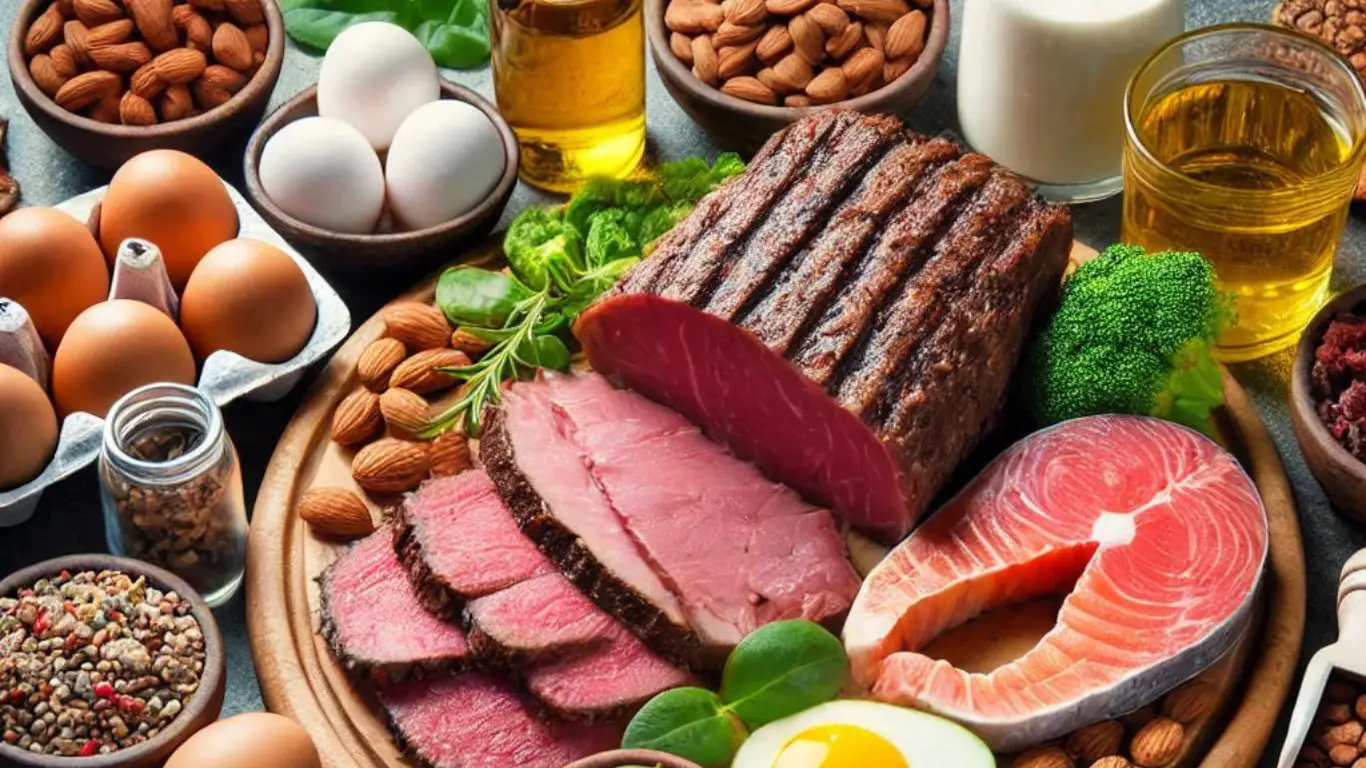
The interest in protein has surged in recent years, becoming a central focus in nutrition and fitness. Protein is considered an essential element for muscle building and cell repair, but many foods marketed as high in protein may not actually be so.
Registered dietitian Sabna Perovimpa points out that some foods thought to be primary protein sources do not meet the recommended daily intake, which is about 0.8 grams per kilogram of body weight, according to Harvard Health publications.
Details of the Findings
For instance, 100 grams of chicken or turkey breast contains about 30.2 grams of protein, while salmon contains only 23.6 grams. In contrast, 100 grams of Greek yogurt provides 5.7 grams of protein, whereas a medium egg has 6 grams, as explained by Kerry Turens on the BBC website.
Perovimpa confirms that yogurt can be a good source of protein, but it depends on the type. Regular yogurt typically contains less than 6 grams of protein per 100 grams, while Greek yogurt offers about 9 grams. Therefore, it is recommended to consume it with fibers and complex carbohydrates like nuts and fruits.
As for cheese, Teresa Gentile notes that although it is a delicious snack, it is not classified among high-protein foods. For example, 100 grams of cottage cheese provides about 11 grams of protein, so it is better enjoyed with nuts or lean meats.
Peanut butter appears as a popular choice for plant-based protein, but Taila Russell clarifies that for a food to be considered high in protein, it must contain at least 10 grams per 100 calories. Two tablespoons of peanut butter contain only 6-7 grams of protein.
Eggs, regarded as a good protein source, contain only 6 grams per medium egg. Thus, it is advisable to consume them with other protein sources like Greek yogurt or cheese for a balanced meal.
Chia seeds, despite their nutritional benefits, contain 4 grams of protein per two tablespoons. To boost protein content, it is recommended to add Greek yogurt and milk.
Avocado, while rich in fiber and healthy fats, offers only 3-4 grams of protein. This content can be doubled when mashed with cottage cheese or yogurt.
Chickpeas, considered a good source of fiber, contain 10.7 grams of protein in a 152-gram serving. Their nutritional value can be enhanced when consumed with vegetables and other protein sources.
Background & Context
Protein sources are an essential part of a balanced diet. With growing health awareness, many people strive to include protein in their daily meals. However, understanding the true sources of protein aids in achieving better nutritional balance.
There are numerous food options available, but it is crucial to be aware of the actual protein content in the foods we consume. Many foods believed to be rich in protein may not meet daily needs.
Impact & Consequences
This information affects how individuals plan their diets. As reliance on high-protein diets increases, there must be greater awareness of the actual protein content in foods.
Understanding these facts can lead to improved overall health, as individuals can make better dietary choices, contributing to a healthier lifestyle.
Regional Significance
In the Arab region, protein is considered a fundamental part of the diet, with various sources such as meats, fish, and legumes being utilized. As nutritional awareness increases, it is essential to focus on true protein sources.
This knowledge helps improve public health and enhance nutritional awareness, contributing to a better quality of life.
In conclusion, it is important to be aware of the protein content in the foods we consume and to seek ways to enhance their nutritional value for a balanced and healthy diet.