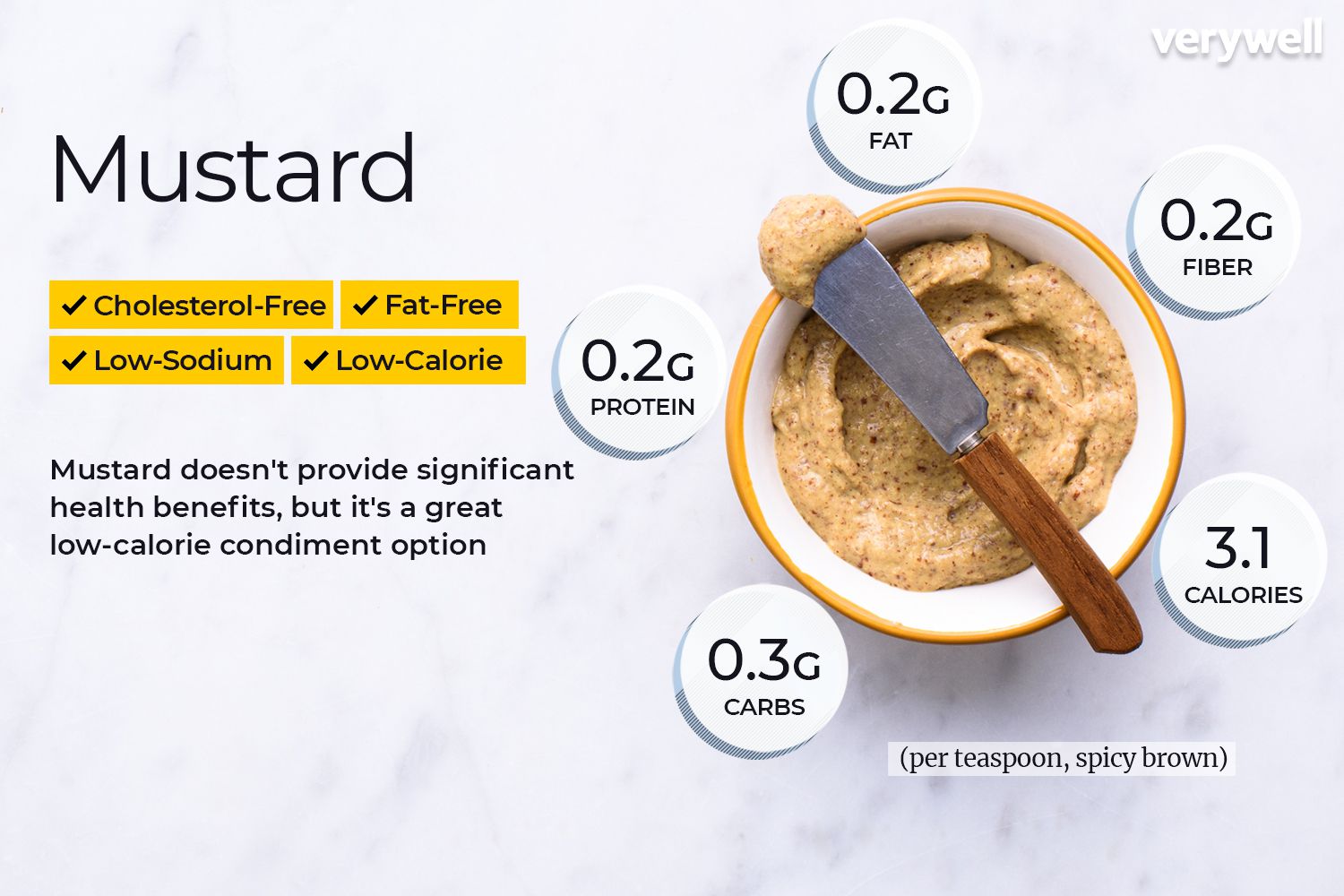
Mustard is an indispensable spice in many kitchens around the world, yet few people are aware of the numerous health benefits it can provide. According to recent studies, a teaspoon of mustard contains a range of nutrients that promote health and help prevent various diseases.
The benefits of mustard include its high antioxidant content, which plays a vital role in protecting the body from damage caused by free radicals. Additionally, mustard contains compounds that aid in improving digestion and promoting heart health.
Details of the Health Benefits
Studies indicate that mustard is high in fiber, making it an excellent choice for improving digestive health. Fiber helps regulate bowel movements and reduces the risk of constipation. Furthermore, mustard seeds contain compounds such as selenium and magnesium, which contribute to enhancing various body functions.
Moreover, mustard is considered a good source of omega-3 fatty acids, which play an important role in reducing inflammation and improving heart health. Studies have shown that consuming mustard can help lower levels of harmful cholesterol in the blood.
Background & Context
Mustard has been used since ancient times as a spice and food ingredient. In various cultures, it has been regarded as a symbol of health and wellness. In traditional medicine, it has been used to treat numerous ailments, including digestive issues and skin infections.
In recent years, scientists have begun to study mustard more deeply, leading to the discovery of new health benefits. This research highlights the importance of mustard as part of a balanced diet.
Impact & Consequences
With the growing health awareness among people, mustard has gained increasing popularity as a healthy alternative to many other spices. Incorporating mustard into the diet can lead to improved overall health and a reduced risk of many chronic diseases.
These benefits serve as a call for everyone to reconsider their dietary choices, as mustard can have a positive impact on overall health when consumed regularly.
Regional Significance
In the Arab region, mustard is traditionally used in many dishes, but awareness of its health benefits may not be sufficient. Promoting knowledge about the benefits of mustard can contribute to improving the overall health of the population.
Encouraging mustard consumption can have positive effects on public health, enhancing quality of life and reducing healthcare costs.
In conclusion, mustard is not just a spice that adds flavor to dishes; it is a nutritional treasure with amazing health benefits. It is important to rediscover this spice and incorporate it into our daily diet.