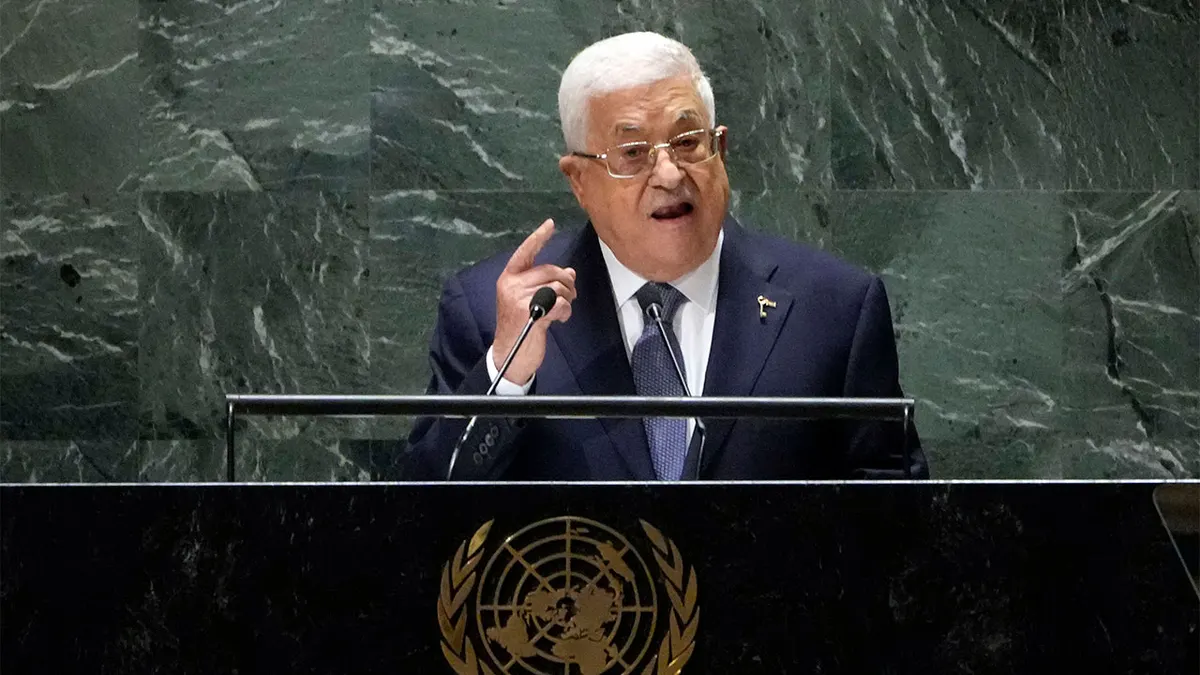
King Abdullah II and Palestinian President Mahmoud Abbas convened in the Jordanian capital, Amman, to address the overall situation in the Palestinian territories. This meeting occurs at a sensitive time, as tensions in the region are rising and the humanitarian crises affecting Palestinians are intensifying.
During the meeting, the importance of enhancing cooperation between Jordan and Palestine in various fields was emphasized, including political, economic, and social aspects. They also discussed ways to support Palestinian efforts in achieving a just and comprehensive peace.
Details of the Meeting
The meeting covered several vital issues, where King Abdullah II reaffirmed Jordan's steadfast position on the Palestinian cause, stressing the need to find a solution that guarantees the rights of the Palestinian people. He also highlighted the crucial role of the international community in supporting these efforts.
For his part, President Abbas expressed his appreciation for Jordan's ongoing support, emphasizing the importance of coordination between the two sides to face current challenges. They also addressed the economic and social conditions experienced by Palestinians and the necessity of providing the required support to improve living conditions.
Background & Context
Historically, Jordanian-Palestinian relations have been close, with Jordan being home to a significant number of Palestinians. These relations have witnessed numerous developments over the years, especially amid the political and economic crises plaguing the region.
In recent years, tensions in the Palestinian territories have escalated, leading to worsening humanitarian crises. These conditions have increased the need for coordination between Jordan and Palestine, particularly in security and economic fields.
Impact & Consequences
This meeting is considered an important step in strengthening cooperation between Jordan and Palestine, and it may contribute to improving the current situation. Additionally, coordination between the two sides could help alleviate tensions in the region and enhance the prospects for achieving peace.
If the recommendations from the meeting are implemented, it could positively reflect on the economic and social situation in the Palestinian territories, contributing to improving the lives of Palestinian citizens.
Regional Significance
The Palestinian issue is one of the most prominent matters affecting stability in the Arab region. Therefore, any efforts to improve conditions in the Palestinian territories could have positive repercussions on neighboring countries.
Moreover, strengthening cooperation between Jordan and Palestine may encourage other countries to take similar steps, thereby enhancing the chances of achieving peace and stability in the region.