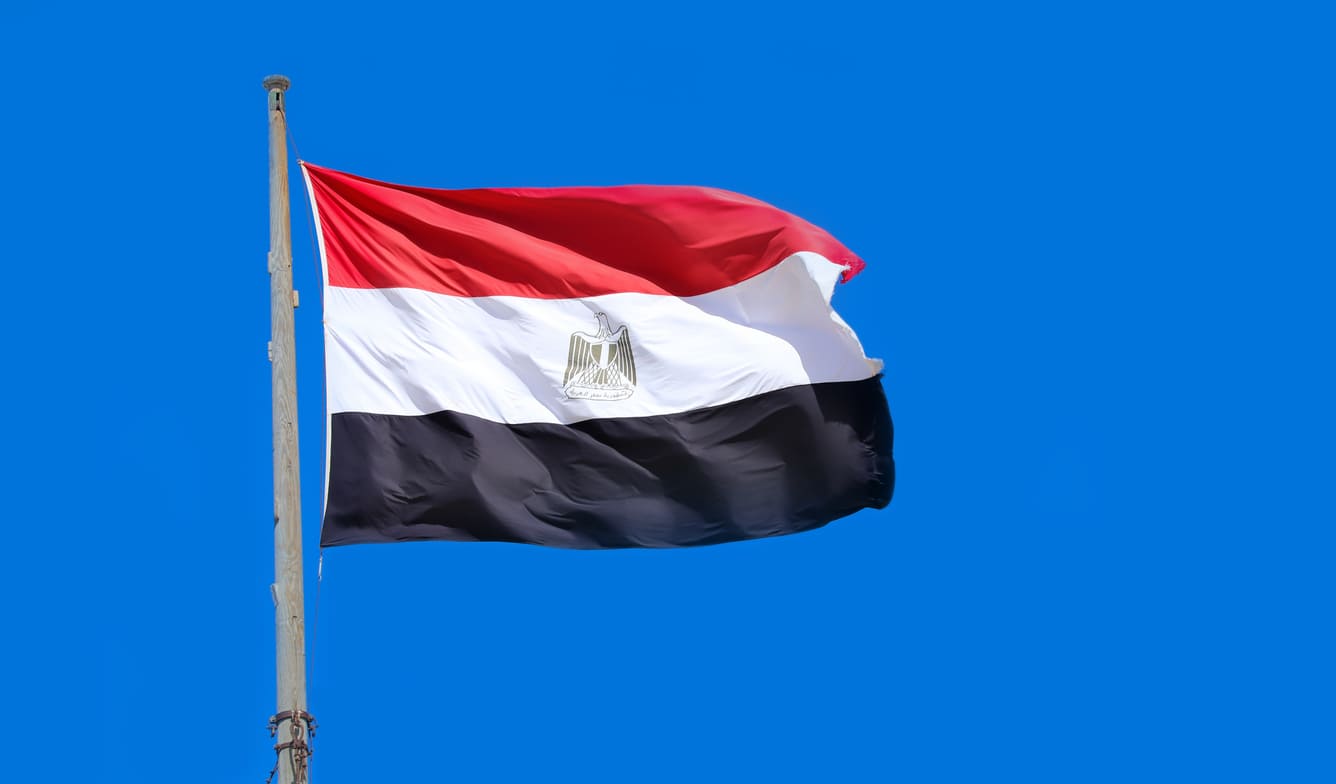
On the 44th anniversary of Sinai's liberation, Egyptian President Abdel Fattah el-Sisi affirmed that Egypt will not compromise on its sovereignty and security. This statement was made during an official celebration attended by various officials and public figures, where Sisi highlighted the significance of this occasion in enhancing national identity.
Sisi explained that the liberation of Sinai symbolizes national dignity, emphasizing that Egypt will always defend its rights and interests. He also stressed the necessity of maintaining stability and security in the region, pointing to the challenges the country faces.
Event Details
Egypt celebrated the 44th anniversary of Sinai's liberation last Tuesday, with official ceremonies held in the city of Ismailia. The celebrations included military and musical performances, as well as speeches from military and civilian leaders. Sisi noted that the liberation of Sinai resulted from significant sacrifices made by the nation's sons, and that efforts must continue to achieve development and stability.
He also addressed the importance of cooperation among various state institutions to achieve national goals, emphasizing the role of youth in building the future. Sisi confirmed that Egypt is on the path of development despite the economic and political challenges it faces.
Background & Context
The liberation of Sinai in 1982 was the result of the October War of 1973, during which the Egyptian army regained the territories occupied by Israel. This war was a turning point in the history of the Arab-Israeli conflict and led to the signing of a peace agreement between Egypt and Israel. Since then, Sinai has become a symbol of national sovereignty.
Historically, Sinai has witnessed many significant events, including wars and conflicts, making it a sensitive area in regional politics. Today, Sinai is considered a strategic region for Egypt, as the government seeks to develop it economically and socially.
Impact & Consequences
Sisi's assertion of not accepting compromise on sovereignty reflects Egypt's direction towards enhancing security and stability in the region. This stance may affect relations with neighboring countries and also reflects the challenges Egypt faces in its foreign policy.
The celebration of Sinai's liberation reflects the government's desire to strengthen national identity and enhances feelings of pride and belonging among citizens. This could contribute to reinforcing national unity in light of current challenges.
Regional Significance
The celebration of Sinai's liberation comes at a sensitive time for the Arab region, where many countries face security and economic challenges. Egypt's firm stance may influence regional stability and enhance its role as a regional power.
Moreover, strengthening security in Sinai could contribute to improving economic conditions in the region and enhance opportunities for cooperation among Arab countries. Amid current tensions, this celebration serves as a strong message about the importance of Arab unity and solidarity.
In conclusion, the anniversary of Sinai's liberation remains a significant event in Egypt's history, reflecting national will and sacrifice for sovereignty. The emphasis on not compromising underscores Egypt's commitment to its security and stability, enhancing its position in the region.