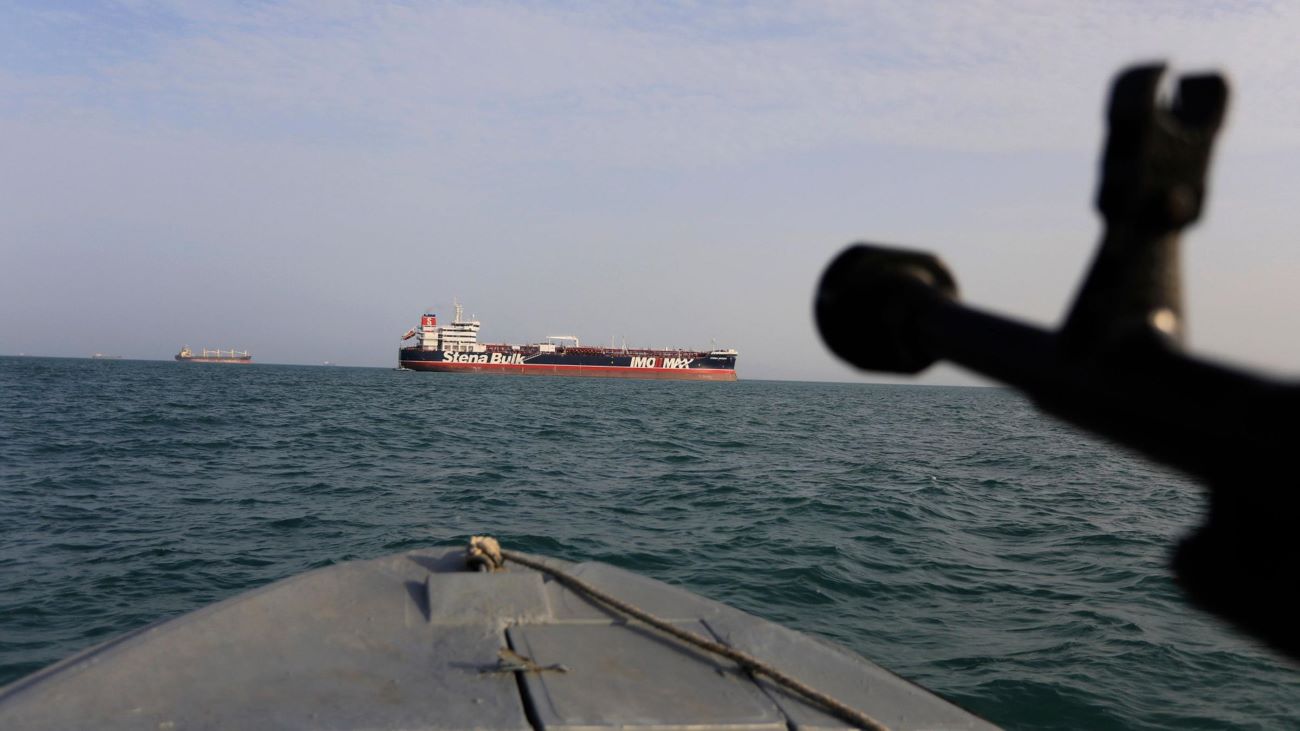
The Indonesian government has taken serious steps to enhance coordination with relevant authorities to ensure the safe passage of Indonesian ships through the Strait of Hormuz. This decision comes at a sensitive time when the region is witnessing increasing tensions, necessitating special attention to the safety of crews and cargoes.
In this context, the spokesperson for the Indonesian Ministry of Energy and Mineral Resources, Dwi Anggia, confirmed that the ministry is working intensively with the Ministry of Foreign Affairs and other relevant entities to ensure the smooth operation of ship crossings. He emphasized that the government prioritizes the safety of crews, considering this operation vital for maintaining national energy supplies.
Details of the Initiative
These efforts follow statements from the spokesperson for the Indonesian Ministry of Foreign Affairs, Fahd Nabil Amelachla, who clarified that the ministry, in collaboration with the Indonesian embassy in Tehran, has long been coordinating efforts with Iranian authorities to ensure the safety of Indonesian ships. Iran has shown a positive response to these efforts, reflecting both parties' desire to enhance cooperation in this area.
As part of these efforts, the Indonesian company Petronas is preparing the technical and administrative aspects to ensure the safe passage of the vessels Petronas Pride and Gamsunoro through the Strait of Hormuz. The Vice President of Corporate Communications at Petronas, Mohammad Barun, confirmed that the priority remains on the safety of crews and ships, urging the Indonesian community to pray for and support this operation.
Background & Context
The Strait of Hormuz is considered one of the most important maritime passages in the world, through which approximately 20% of global oil supplies pass. Historically, this strait has witnessed numerous tensions and conflicts, making the safety of the ships that cross it a vital issue. Indonesia, as an oil-exporting country, seeks to ensure the safety of its supplies by diversifying energy sources.
The Indonesian government is working to diversify energy sources by opening new options for importing oil and fuel from regions other than the Middle East. This approach aligns with the directives of Indonesian President Prabowo Subianto, who has called for increasing oil import sources from multiple countries to ensure the continuity of domestic supplies.
Impact & Consequences
These steps underscore the importance of international cooperation in the energy sector, especially amid geopolitical tensions that may affect oil supplies. Strengthening coordination between Indonesia and Iran could contribute to regional stability and reduce the risks associated with ship crossings.
Moreover, these measures reflect Indonesia's commitment to maintaining energy supply security, which could positively impact the Indonesian economy and enhance its status as an oil-exporting nation.
Regional Significance
These developments are particularly significant for Arab countries, as the stability of the Strait of Hormuz directly affects oil supplies to global markets. Cooperation between Indonesia and Iran could help strengthen economic relations between Asian and Arab countries, opening new avenues for collaboration in energy and trade.
In conclusion, enhancing coordination to ensure the safe passage of Indonesian ships through the Strait of Hormuz represents an important step towards achieving security and stability in the region, reflecting Indonesia's commitment to safeguarding its national interests in the energy sector.