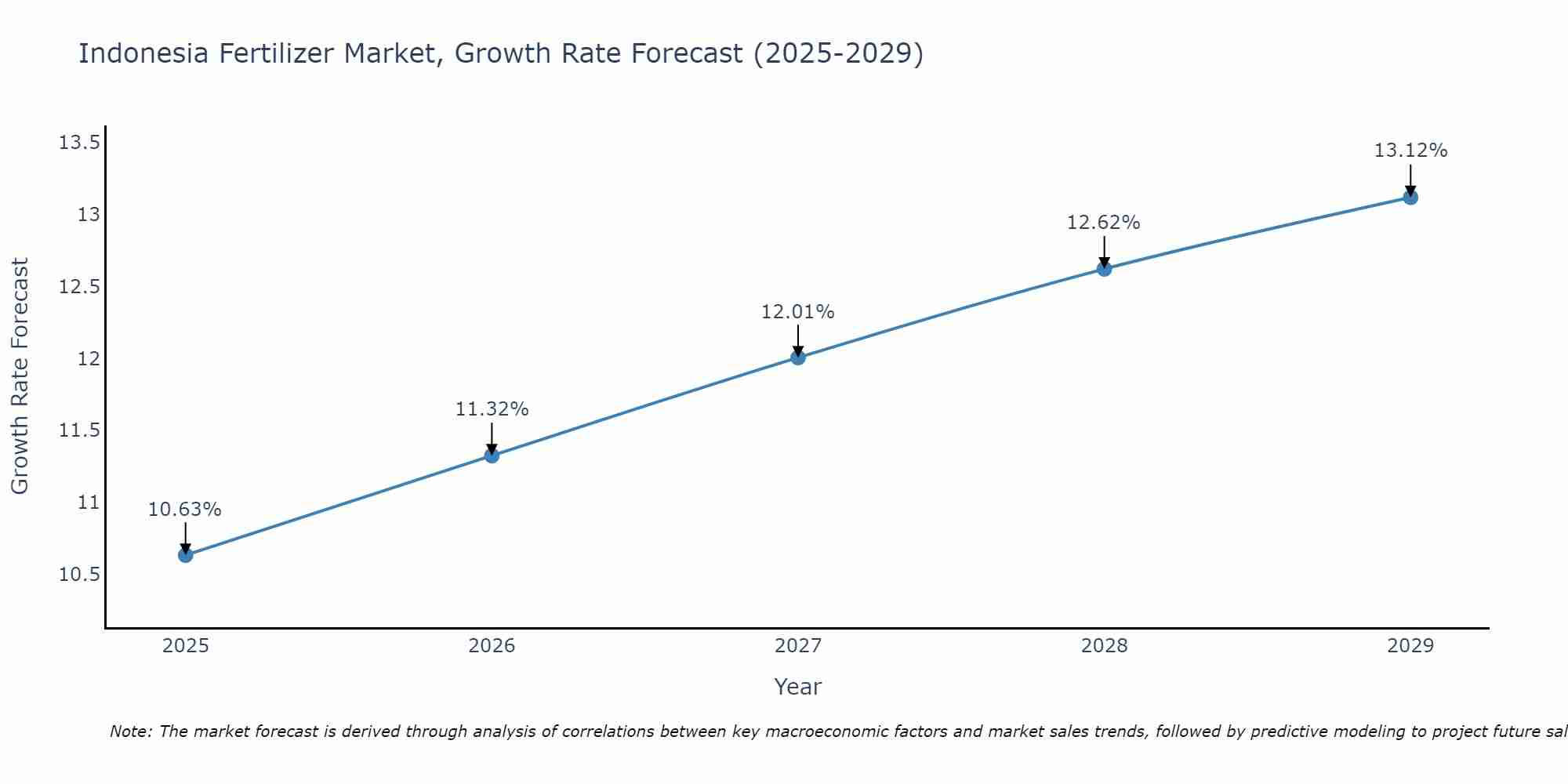
In a move aimed at enhancing the efficiency of the fertilizer industry in Indonesia, the head of the State-Owned Enterprises Regulatory Agency (BP BUMN), Dani Oscar, announced new initiatives designed to improve the performance of the company 'Pupuk Indonesia'. This announcement came during a meeting with the company's board of directors, where the focus was on the importance of improving the organizational structure and streamlining business processes to ensure effective fertilizer distribution.
Oscar explained that the company will work on enhancing its operational efficiency through business restructuring, which will help improve agricultural productivity and support food security in the country. He also highlighted the significance of this transformation in light of the ongoing changes in global policies and economic conditions.
Details of the Meeting
The meeting took place on March 31, where Oscar discussed with the management team the next strategic steps to enhance the company's performance. He emphasized the need to streamline business processes as part of the transformation the company is pursuing, which will enable it to adapt to market changes and increase its competitiveness.
The topic of the transition in the fertilizer support system was also addressed, moving from a cost-based support system to one that relies on market prices. This change aims to improve the accuracy of fertilizer distribution and increase the effectiveness of the support provided to farmers.
Background & Context
Indonesia is considered one of the largest agricultural producers in Southeast Asia, where the fertilizer industry plays a vital role in enhancing agricultural production. With the challenges facing the country, including climate change and economic pressures, it becomes essential to improve the efficiency of this industry to ensure the sustainability of food security.
Historically, Indonesia has undergone significant changes in its agricultural policies, focusing on increasing productivity and improving the quality of agricultural products. However, current challenges require new and effective strategies to ensure the achievement of the desired goals.
Impact & Consequences
These steps are expected to improve the performance of 'Pupuk Indonesia', which will positively reflect on both farmers and consumers. Enhancing the company's efficiency will help improve the fertilizer distribution system, contributing to increased agricultural production and improved food security in the country.
Furthermore, the shift to a support system based on market prices may contribute to improving the effectiveness of government support, ensuring that fertilizers reach farmers more accurately and effectively.
Regional Significance
Indonesia's experience in enhancing the efficiency of the fertilizer industry serves as a model that Arab countries can benefit from, which face similar challenges in the field of food security. Arab nations can draw inspiration from these initiatives to develop their own strategies for improving agricultural production and enhancing the efficiency of food industries.
In light of climate change and economic pressures, it becomes crucial for Arab countries to enhance their agricultural production capacities to ensure food security, which requires effective and innovative strategies.