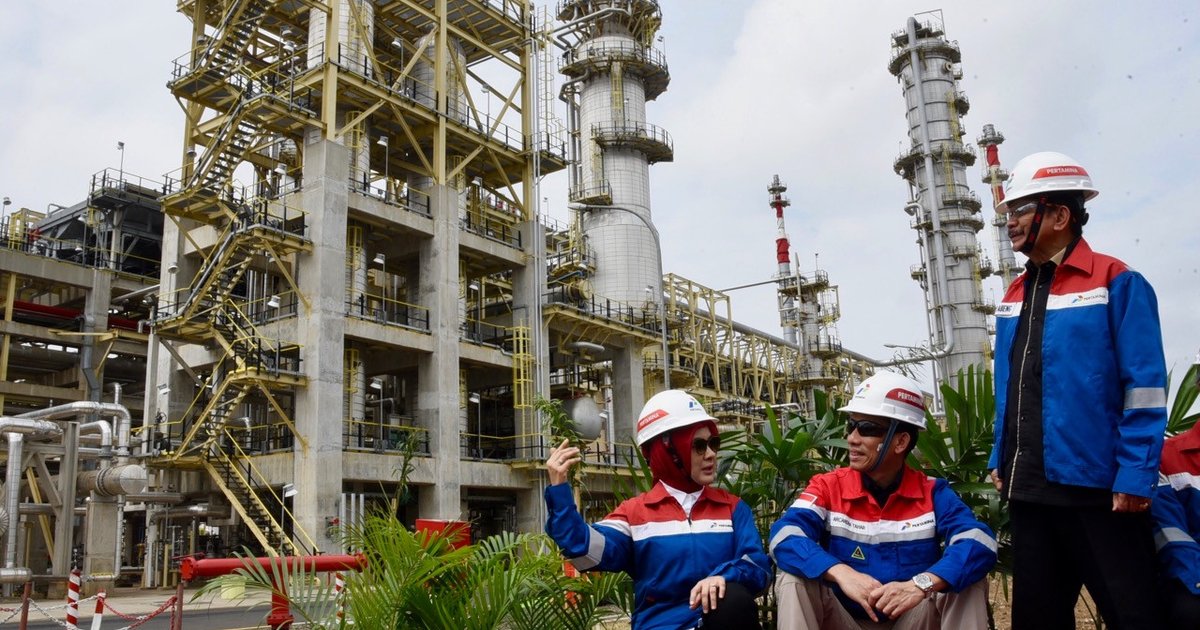
The Indonesian oil and gas regulatory agency (BPH Migas) reported that the Cilacap refinery (RU IV) and the fuel center in Maos, located in Cilacap Regency, Central Java, are fully prepared to ensure the continuity of fuel supplies during the return period of Eid al-Fitr in the year 1447 AH. This statement was made by a committee member of the agency, Iman Salman Arif, during an inspection visit to the refinery on Thursday, March 26, 2026.
Arif explained that supply and distribution operations in Central Java are running smoothly, with all necessary measures taken to ensure the refinery and fuel center are ready to meet the expected increase in fuel consumption during the holiday period. He confirmed that the agency has received positive reports from the Pertamina team regarding the readiness of the infrastructure and operations.
Event Details
The Cilacap refinery is considered one of the most important oil facilities in Indonesia, contributing approximately 30% of the country's total fuel processing capacity. Production of various types of fuel, including Pertalite, Pertamax, and LPG, has been increased to meet the anticipated rise in demand during the holiday period. A range of innovations have also been implemented at the refinery to enhance production capacity and reliability, including the development of bio-refining technologies.
In this context, Arif expressed his gratitude to all stakeholders for their support during Ramadan and Eid al-Fitr, emphasizing the importance of maintaining safety, health, security, and environmental standards during operations.
Background & Context
Indonesia is one of the largest oil and gas producers in Southeast Asia, heavily relying on fuel supplies to meet its domestic needs. Historically, the country has faced significant challenges in energy supply, prompting the government to enhance oil and gas infrastructure to ensure supply sustainability. The Cilacap refinery has contributed to achieving this goal by improving its operations and increasing its production capacity.
These efforts coincide with an increase in transportation activity during the holiday period, as millions of Indonesians travel to their villages and cities to celebrate with their families, leading to a substantial rise in fuel demand. Therefore, ensuring the continuity of supplies is vital for maintaining market stability.
Impact & Consequences
These steps underscore the Indonesian government's commitment to enhancing energy security in the country, especially during peak times like Eid al-Fitr. Improving the Cilacap refinery's ability to meet rising demand reflects an effective response to the challenges facing the energy sector. Additionally, these efforts may help reduce potential disruptions in fuel supplies, positively impacting the national economy.
Moreover, the innovations introduced at the refinery, such as the development of bio-refining technologies, may contribute to enhancing environmental sustainability and reducing reliance on fossil fuels, aligning with global trends towards clean energy.
Regional Significance
Indonesia is one of the countries affected by global energy markets, where its energy decisions can influence oil and gas prices in international markets. For Arab countries, which are among the largest oil producers in the world, the stability of energy supplies in Indonesia may impact regional market dynamics.
Furthermore, innovations in renewable energy and bio-refining could serve as a model for Arab countries striving for sustainability in the energy sector. Cooperation between Arab nations and Indonesia in this field could contribute to enhancing global energy security.