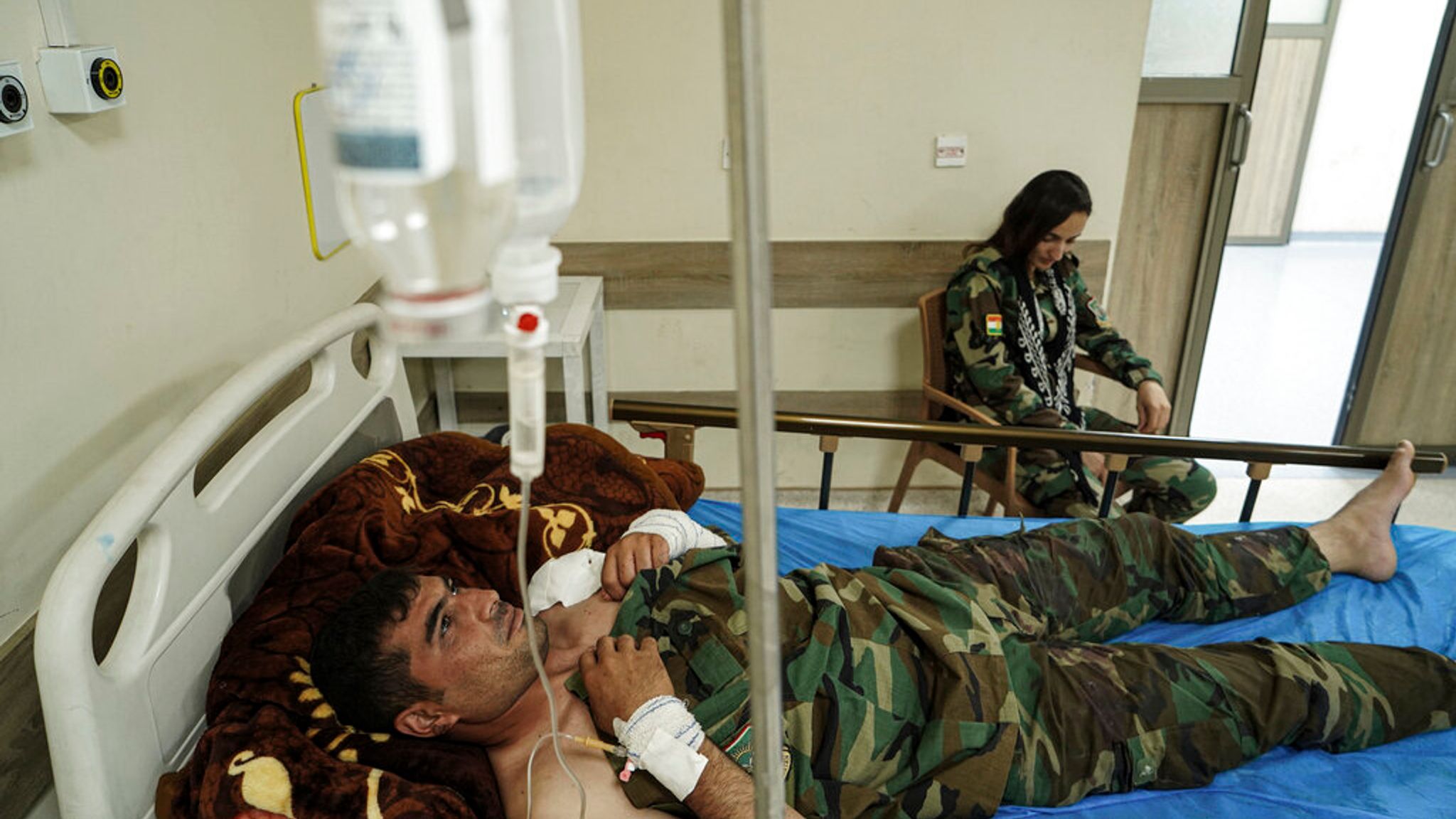
Iraqi Kurdistan witnessed a significant military escalation on Wednesday, as vital areas were subjected to intense attacks by suicide drones. The assaults targeted a factory in Erbil and an oil field in Duhok, leading to fires and substantial material damage.
In the details of the attacks, a drone struck a factory located between the city of Erbil and the district of Habat this morning, causing explosions and a fire at the facility. Video footage documented the moment a second drone collided with the site while authorities attempted to control the blaze.
Details of the Attacks
In a related context, security sources reported that another drone targeted an oil field in the Duhok area, while another drone hit a house in Erbil, resulting in a fire at the targeted home, with authorities reporting no human casualties.
For his part, Erbil Governor Umid Khushnaw stated in an official announcement that the province was attacked by over 20 drones during the night, confirming that security forces successfully intercepted and shot down all those drones.
Background & Context
This escalation follows days after a drone targeted the home of the region's president, Nechirvan Barzani, in Duhok, as part of a wave of increasing attacks that, according to officials in the region, have exceeded 500 attacks with rockets and drones since the onset of the conflict.
In another development, armed factions claimed responsibility for these attacks, with the Iraqi faction known as Ashab al-Kahf adopting the targeting of what it described as "American and Zionist interests" in northern Iraq using drones. The faction also announced an attack on what it claimed were American-Israeli interests in Bahrain shortly after midnight last night.
Impact & Consequences
These developments are related to the direct war being waged by Israel and the United States against Iran since February 28, which has resulted in thousands of casualties and injuries on the Iranian side. Tehran retaliates by launching missiles and drones towards Israel, alongside targeting what it calls "American interests" in Arab countries, causing severe damage to civilian properties and provoking widespread condemnation from affected nations.
This military escalation in Iraqi Kurdistan reflects the rising regional tensions and complicates the security situation in the area, where international and local interests increasingly overlap.
Regional Significance
These events are indicative of the escalating conflict in the region, which could impact stability in neighboring countries and intensify tensions among regional powers. Furthermore, the continuation of these attacks may lead to negative repercussions on the local economy and increase civilian suffering.
In conclusion, the situation in Iraqi Kurdistan remains tense, with ongoing threats from armed factions and a rise in attacks, necessitating greater international attention to ensure stability and security in the region.