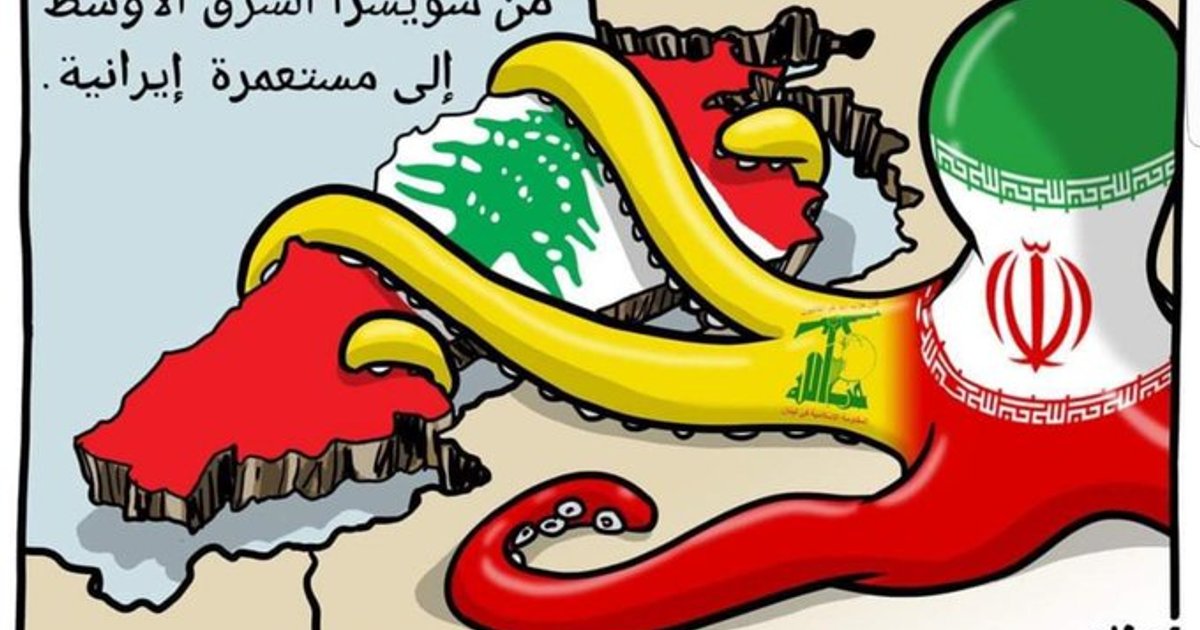
Lebanon is under increasing pressure due to Hezbollah's dominance, complicating the political and economic landscape of the country. The nation is grappling with multiple crises, including currency collapse, rising poverty rates, and rampant corruption, leaving Lebanese citizens in a state of uncertainty.
Hezbollah's influence is evident in various sectors, where the party controls political decisions and significantly impacts government institutions. This situation raises concerns among many Lebanese who believe that Hezbollah prioritizes its interests over the nation's welfare, exacerbating the crises plaguing the country.
Event Details
In recent years, Lebanon has experienced a sharp economic decline, with the Lebanese pound losing significant value. This has led to soaring prices and severe shortages of essential goods. Under these circumstances, Lebanese citizens face daily challenges in securing their basic needs.
Criticism of Hezbollah is mounting from various political and social forces, with some accusing the party of being part of the problem rather than the solution. However, the party still maintains a strong support base, making it difficult for any other political forces to challenge its dominance.
Background & Context
Hezbollah was established in the 1980s in response to the Israeli occupation and has since evolved into a key player in Lebanese politics. Over time, the party has become an integral part of the Lebanese political system, allowing it to control many government institutions.
Historically, Lebanon has suffered from internal and external conflicts, with civil wars and regional disputes affecting the country's stability. As regional tensions rise, Hezbollah has become part of a broader conflict among regional powers, further complicating the situation in Lebanon.
Impact & Consequences
Hezbollah's dominance significantly affects Lebanon's relations with Western and Arab nations. Many countries classify Hezbollah as a terrorist organization, leading to sanctions against Lebanon and increasing its international isolation. This situation negatively impacts the Lebanese economy and exacerbates the suffering of its citizens.
The continued political dominance of Hezbollah hinders any efforts for economic and political reform, making it challenging for Lebanon to emerge from its current crisis. Under these conditions, the hope for achieving political and economic stability remains elusive.
Regional Significance
Hezbollah's dominance in Lebanon exemplifies how internal conflicts can affect regional stability. The ongoing crises in Lebanon could have negative repercussions for neighboring countries, especially amid rising tensions among regional powers.
Many Arab nations are striving to support Lebanon in overcoming its crisis, but under Hezbollah's current dominance, international and local efforts remain constrained. A genuine political consensus and a real willingness for reform are required to break out of this vicious cycle.
Lebanon stands at a crossroads, as the current situation demands a concerted effort from both local and international stakeholders to achieve stability. Hezbollah's dominance poses a significant challenge, yet the hope for a better future persists.