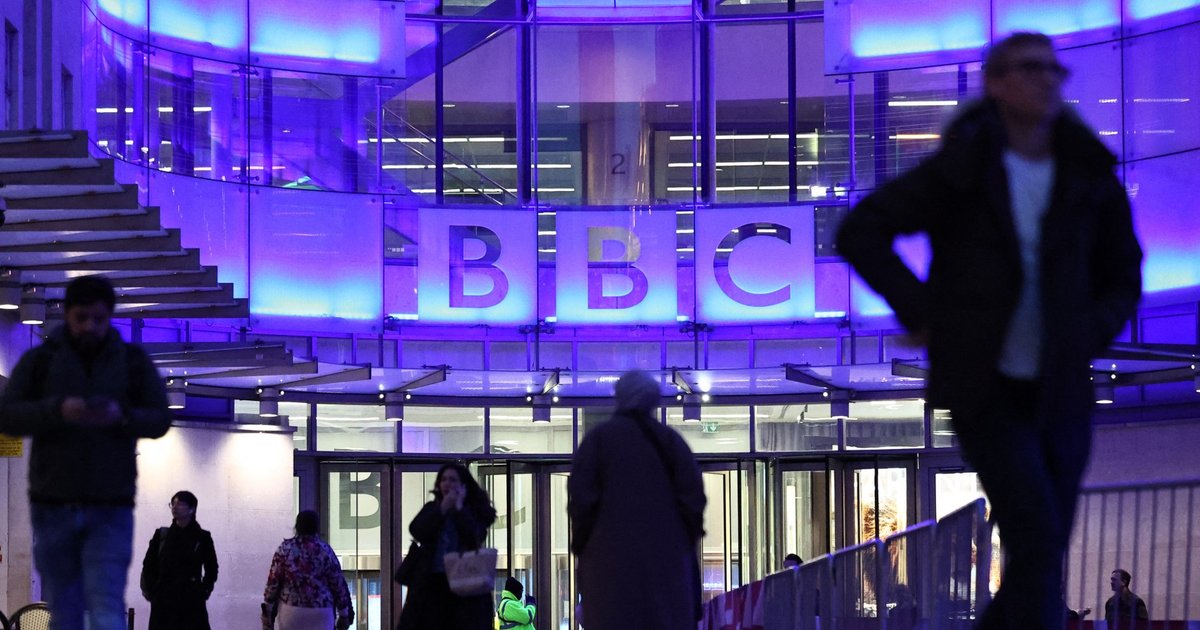
Recently, there has been a surge in media reports referencing specific events using ambiguous terms such as 'linked to Iran' or 'Iran-backed'. These phrases raise questions about their accuracy and objectivity, especially amid rising tensions between Iran and the West. Such terminology is often used to justify attacks or military actions against Middle Eastern countries, highlighting the need for clarification of their true meanings.
In the past few weeks, we have witnessed several incidents classified as linked to Iran, including the attack on ambulances in London, the hacking of the FBI director's email, and a bombing attempt in Paris. Western media outlets, including the BBC, have associated these events with Iran without providing clear evidence to support these claims.
Details of the Events
The attack on ambulances, carried out by a group known as the 'Islamic Right Movement', was reported by the media as an act linked to Iran. However, no documented evidence has been presented to substantiate this claim. Furthermore, the reports lacked any quotes or sources that support these classifications, raising questions about the integrity of the media coverage.
In another report, the hacking of the FBI director's email by a group called 'Handala Hack Team', which identifies itself as a pro-Palestinian organization, was described as 'Iran-backed' in BBC reports. This raises concerns about how such terms are used to justify attacks on Iran.
Background & Context
Historically, Iran has been the target of numerous Western media campaigns aimed at tarnishing its image. Since the Islamic Revolution in 1979, the media has been used as a tool to justify Western policies against Iran. These policies often involve sanctions or military interventions, complicating international relations in the region.
Iran is considered part of the resistance axis, which includes several countries and organizations in the Middle East, making it a perpetual target for Western accusations. However, the use of terms like 'linked to Iran' without providing clear evidence contributes to the reinforcement of negative stereotypes about Iran and affects international public opinion.
Impact & Consequences
This media coverage increases tensions between Iran and Western countries, potentially escalating conflicts. The use of vague terminology without precise clarification can lead to misunderstandings and foster hostility towards Iran. In a world where crises are on the rise, it is essential for the media to be accurate and objective in its reporting.
Moreover, this type of coverage can influence government policies and lead to ill-considered decisions. In the presence of misleading information, countries may find themselves in difficult situations requiring unnecessary military or political responses.
Regional Significance
For Arab countries, these tensions could exacerbate crises in the region. Many Arab nations rely on stable relations with Iran, and any escalation could negatively impact regional security. Additionally, the media's portrayal of Iran as an enemy may lead to greater divisions among Arab states, complicating peace and stability efforts in the region.
In conclusion, the media must take responsibility for providing accurate and reliable information, especially regarding sensitive issues like international relations. The use of vague terms without clarification can have dire consequences for security and stability in the Middle East.