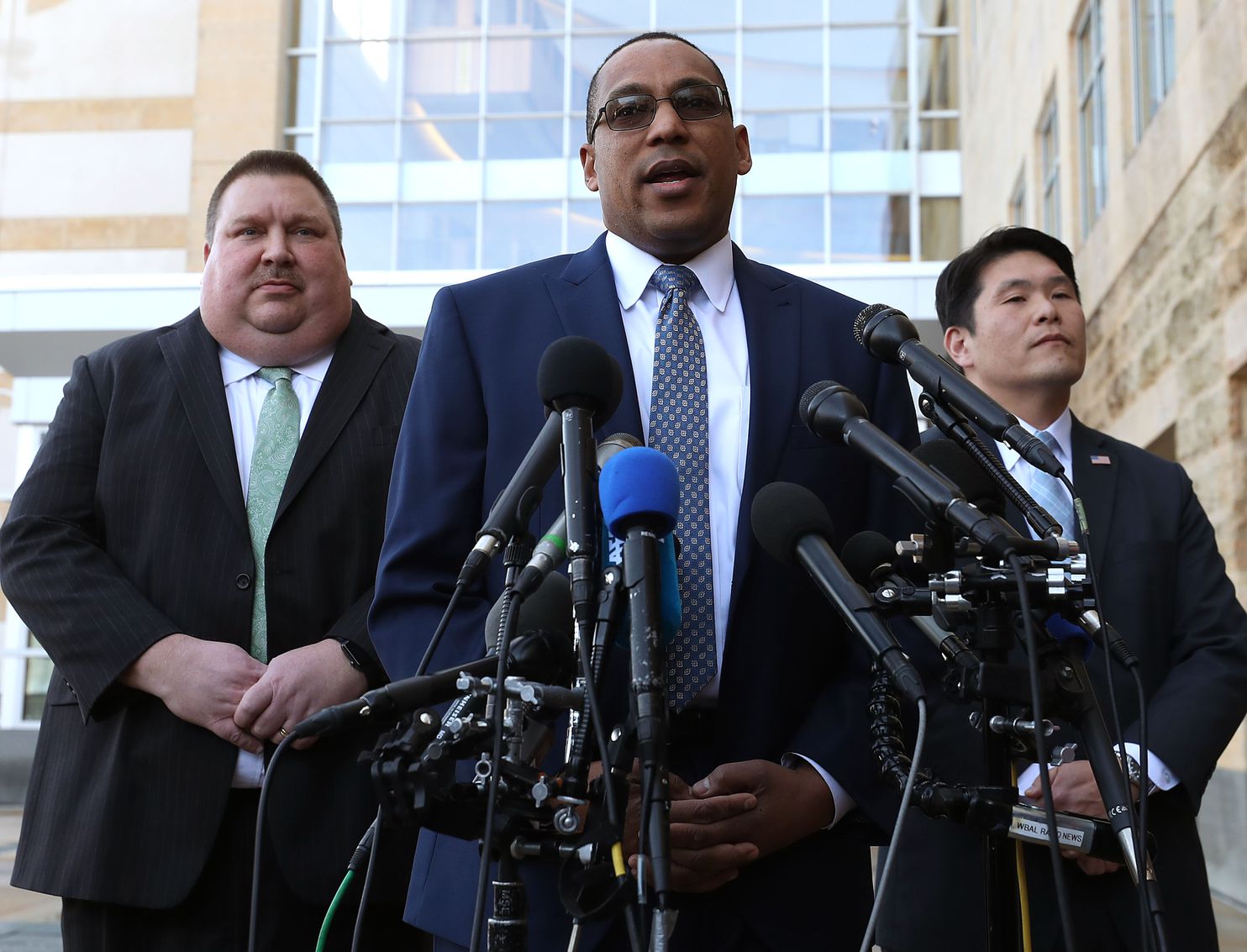
Investigations are ongoing into the attack that occurred in Washington, D.C., where the Director of the Federal Bureau of Investigation (FBI) has been excluded from the list of potential targets. This decision reflects the continuous efforts of U.S. authorities to identify those responsible for this attack, which has raised widespread concern in political and security circles.
The attack, which took place late at night, resulted in multiple injuries and led to chaos in the surrounding area. Significant security reinforcements have been deployed in the capital as authorities strive to ensure the safety of citizens and restore order.
Details of the Incident
According to sources, preliminary investigations suggest that the attack may have been orchestrated by an extremist group. However, no specific details regarding the identity of the attackers or their motives have been disclosed. Meanwhile, several witnesses have been summoned to provide their testimonies regarding the incident.
The exclusion of the FBI Director from the target list reflects confidence in his ability to manage the security situation. Officials have confirmed that the bureau is working closely with other agencies to identify potential threats and provide necessary support.
Background & Context
These events come amid rising security tensions in the United States, where the country has recently witnessed several similar incidents. Terrorist attacks have become a constant concern, prompting the government to enhance security measures nationwide.
Historically, Washington, D.C. has been a target for numerous attacks, making it a focal point for national security. These incidents have influenced security policies and led to changes in how potential threats are addressed.
Impact & Consequences
The recent attack could have significant implications for domestic security in the United States. It is likely to result in an increase in budgets allocated for security and enhance cooperation among various agencies. Additionally, it may affect international relations, especially with countries considered sources of terrorist threats.
Furthermore, public reactions to this attack could lead to changes in local policies as citizens seek to ensure their safety amid these tense circumstances.
Regional Significance
The events in Washington hold particular importance for the Arab region, where Arab countries are closely monitoring the developments in U.S. security. Any escalation in tensions could impact relations between Arab nations and the United States, particularly in areas of security cooperation.
Moreover, these events may evoke the security challenges faced by Arab countries, necessitating enhanced regional cooperation to address shared threats.