Recent forecasts indicate that the rises observed in stock markets over the past few days may be short-lived, as analysts expect these markets to face notable fluctuations during the current week. This comes at a time when concerns about the global economy and the effects of inflation are increasing, raising questions about the sustainability of these gains.
On the program "Bloomberg: The Opening Trade," analysts Anna Edwards, Lizzy Burden, and Adam Linton provided a comprehensive analysis of the current market situation, noting that global economic factors play a significant role in shaping market trends. The analysts expressed concern that these gains may not last long.
Details of the Event
Global stock markets have witnessed notable increases in recent days, with major stock indices in the United States and Europe recording significant gains. However, these rises come at a time when the global economy faces major challenges, including rising inflation rates and increasing interest rates. Analysts have pointed out that these factors could lead to fluctuations in the markets, keeping investors in a state of anticipation and caution.
Analysts also indicated that several factors are influencing the markets, including upcoming economic data that may reflect the state of the economy. Reports on the labor market and inflation rates are expected to be released, which could significantly impact market trends in the coming days.
Background & Context
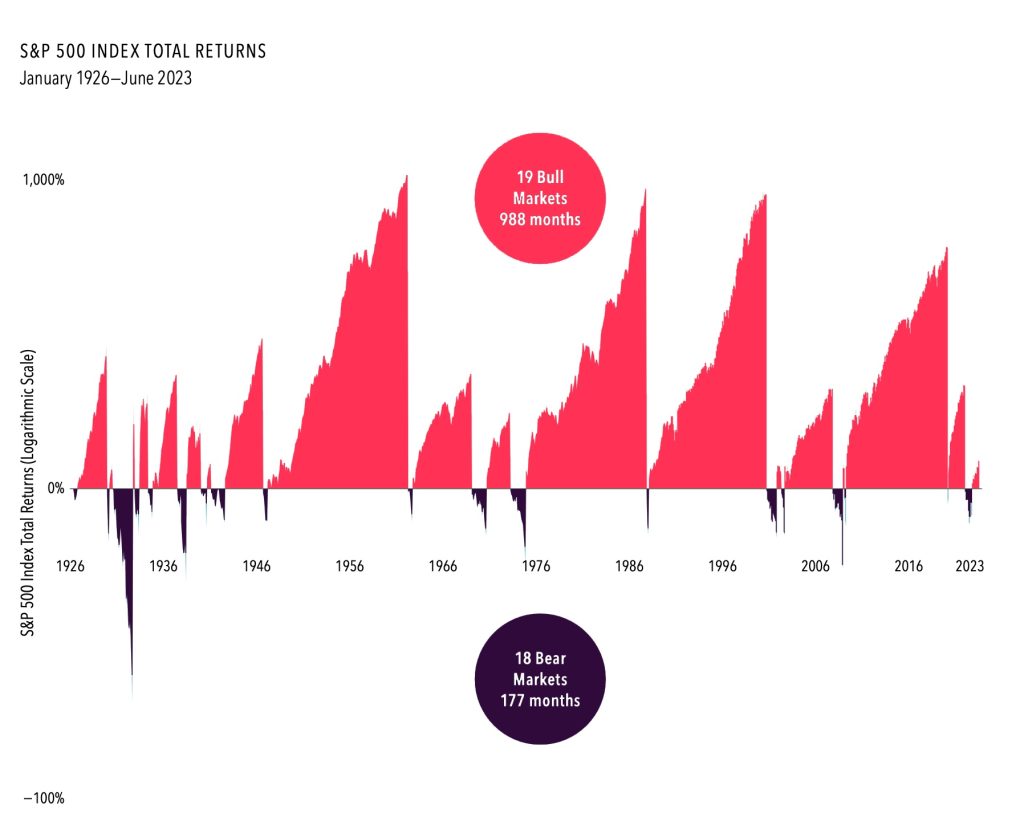
Historically, stock markets have experienced similar fluctuations during times of economic crises. For instance, during the global financial crisis in 2008, markets saw sudden rises followed by sharp declines. These patterns raise concerns among investors, who seek to understand future market trends.
In recent years, markets have been increasingly affected by global events, including political and trade crises. As the impact of the COVID-19 pandemic continues to affect the global economy, it has become essential to monitor economic trends closely.
Impact & Consequences
Fluctuations in stock markets are indicative of the overall state of the economy. If these fluctuations persist, they may affect investor confidence and lead to reduced investments. Additionally, rising inflation rates could increase borrowing costs, impacting both companies and individuals.
Moreover, financial markets play a vital role in the global economy, and any fluctuations within them could affect economic growth. Therefore, investors and analysts are closely monitoring the situation, as any changes could lead to widespread effects.
Regional Significance
For the Arab region, fluctuations in global stock markets may impact both foreign and local investments. Many Arab countries rely on foreign investments as a primary source of economic growth, and any fluctuations in the markets could lead to a decline in these investments.
Furthermore, rising inflation rates in Western countries may affect oil prices and essential commodities, which in turn reflects on the Arab economy. Thus, observers in the region should be cautious of these global trends, as their impact could be significant on the local economy.