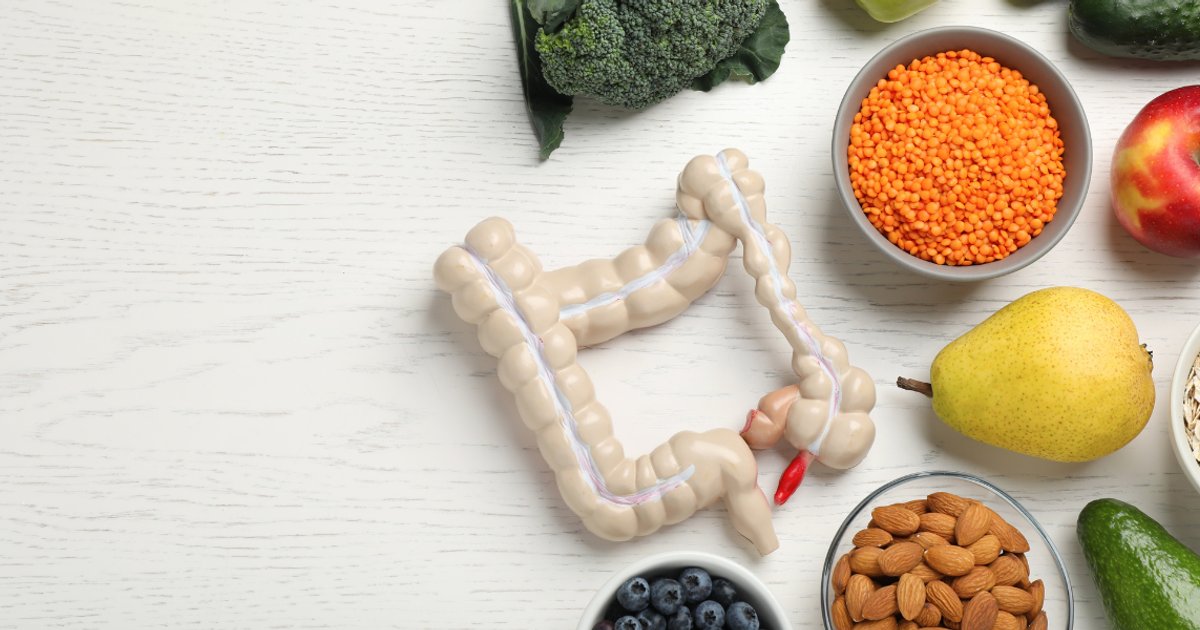
Cold starch consumption has become a new trend in nutrition, with claims that it may help reduce calorie intake. But what is the truth behind this assertion? In recent years, many dietary trends have emerged, claiming to improve health or aid in weight loss, among which is the consumption of cold starches.
Cold starches include foods such as pasta, rice, and potatoes that are cooked and then cooled before consumption. This method is believed to increase the fiber content of these foods, which may help improve digestion and prolong the feeling of fullness.
Details of the Event
Research indicates that cooling starches after cooking can convert some of them into a type known as resistant starch, which is a form of carbohydrate that is not easily digested in the intestines. This means that the body may absorb fewer calories from these foods compared to consuming them hot.
However, studies on this topic are still in their early stages, and there is no scientific consensus on the effectiveness of this method. Some experts warn that focusing on how starches are consumed may distract from the importance of a balanced diet overall.
Background & Context
Historically, starches have been a fundamental part of the diet in many cultures. However, in recent years, there has been an increase in awareness regarding obesity and heart diseases, prompting many to seek new ways to control their weight. In this context, numerous diets have emerged that promote reducing starch consumption or altering how they are eaten.
Starches are an important source of energy, but overconsumption can lead to weight gain. Therefore, understanding how the method of consuming starches affects calorie intake could have a significant impact on overall health.
Impact & Consequences
If the effectiveness of consuming cold starches in reducing calorie intake is proven, it could lead to a change in how foods are consumed in the future. This trend could encourage the development of new recipes and innovative cooking methods, potentially contributing to improved dietary habits.
However, this information should be approached with caution, as rapid dietary trends may lead to unhealthy changes in eating patterns. It is essential for individuals to follow a balanced diet that includes all necessary nutrients.
Regional Significance
In the Arab region, where starches play a significant role in traditional cuisine, this trend could have a substantial impact on dietary habits. The shift towards consuming cold starches may prompt a reevaluation of how traditional dishes are prepared, which could contribute to enhancing public health.
Moreover, this trend may raise awareness about the importance of healthy nutrition, potentially leading to improved community health overall.
In conclusion, while consuming cold starches appears to carry some potential benefits, research still needs to delve deeper. It is crucial for individuals to adopt a balanced diet and consult experts before following any new trends.