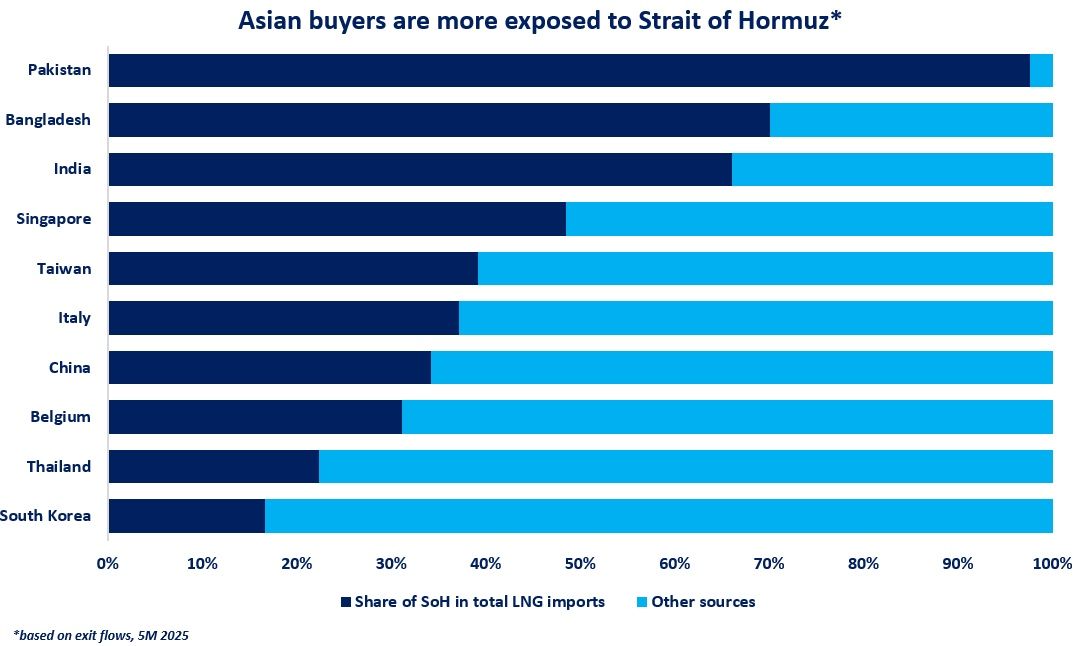
For the first time since the Iran War, an LNG shipment has successfully crossed the Strait of Hormuz, marking a historic milestone as no similar shipments have been recorded since the conflict erupted in the 1980s. This event enhances the importance of the strait as one of the most critical maritime routes linking the Gulf countries with the rest of the world.
This shipment arrives at a time when the global energy market is undergoing significant transformations, with gas-producing countries striving to increase their exports amid rising energy demand. The Strait of Hormuz is a key transit point for approximately 20% of the world's oil supplies, making it a focal point for many nations.
Details of the Event
The shipment that crossed the strait was loaded with liquefied natural gas (LNG), a type of gas that is converted to a liquid state to facilitate transportation. The delivery was made to an Asian port, reflecting the growing trend towards using gas as an alternative to traditional energy sources.
This step is seen as a sign of improved security in the region, where there were previous concerns about the impact of regional conflicts on maritime navigation in the strait. Diplomatic efforts have contributed to enhancing maritime security, allowing shipments to pass without any significant incidents.
Background & Context
Historically, the Strait of Hormuz has been the scene of numerous military conflicts, with recurring tensions between major powers and regional countries. Since the Iran War in the 1980s, there have been concerns about the impact of conflicts on international trade routes.
Despite these challenges, gas-producing countries in the Arabian Gulf have managed to bolster their export capabilities, contributing to an increase in global trade in natural gas. This development is part of a long-term strategy aimed at achieving sustainability in energy sources.
Impact & Consequences
Reports indicate that the crossing of this shipment could strengthen the position of gas-producing countries in the global market, with expectations for rising demand for natural gas in the coming years. Additionally, this event may encourage further investments in the energy sector.
Moreover, this development is a positive indicator of regional stability, which could attract foreign investments and enhance regional cooperation in the energy field.
Regional Significance
The crossing of this shipment represents an important step for the Gulf Arab states, reinforcing their position as a major energy supplier in the world. This event could improve economic relations between Arab countries and gas-importing nations.
In conclusion, the crossing of the first LNG shipment through the Strait of Hormuz since the Iran War marks a significant milestone in the region's history, enhancing the strait's importance and indicating a promising future in the energy sector.