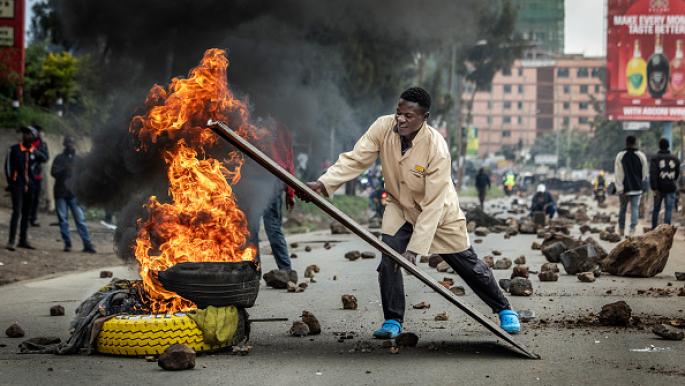
Several African nations are experiencing escalating social and economic unrest due to a sharp rise in fuel prices, exacerbated by the impacts of the Ukrainian war. These crises have led citizens to take to the streets in widespread demonstrations, where protesters have expressed their dissatisfaction with the deteriorating economic conditions.
In many countries, such as Sierra Leone, Nigeria, and South Africa, protests have significantly increased, with demonstrators blocking roads and setting tires on fire. These protests have resulted in injuries and arrests, heightening tensions in the streets.
Event Details
Fuel prices in Africa continue to rise steadily, with increases of up to 40% in some countries over recent months. Experts attribute this rise to several factors, including increased global demand for energy and the repercussions of the war in Ukraine, which has led to supply shortages.
African governments are attempting to address these crises by imposing price controls or providing financial support to citizens, but these measures have not been sufficient to quell public anger. In Sierra Leone, for example, a state of emergency was declared after riots erupted in the capital.
Background & Context
Historically, Africa has faced numerous economic and social crises, with fuel prices often being a key factor in fueling protests. In recent years, successive economic crises have led to a deterioration in living conditions, making citizens more sensitive to any price increases.
Africa is one of the continents most affected by fluctuations in energy prices, as many countries rely on imports to meet their fuel needs. This dependence makes them vulnerable to external shocks, such as conflicts and wars that impact global markets.
Impact & Consequences
These protests significantly affect political stability in African countries. As public anger rises, governments may face increasing pressure, potentially leading to policy changes or even leadership changes.
Moreover, these economic crises could impact foreign investments, as companies may hesitate to invest in unstable environments. This situation could exacerbate economic conditions, creating a vicious cycle of crises.
Regional Significance
The economic crises in Africa hold particular importance for the Arab region, as many Arab countries have trade and investment relations with African nations. Any deterioration in economic conditions in Africa could affect regional trade.
Furthermore, these crises may lead to an increased flow of refugees to Arab countries, posing an additional challenge for many governments in the region.
In conclusion, the protests in Africa highlight the increasing tensions arising from economic crises. The current situation requires a swift and effective response from African governments and the international community to ensure regional stability.