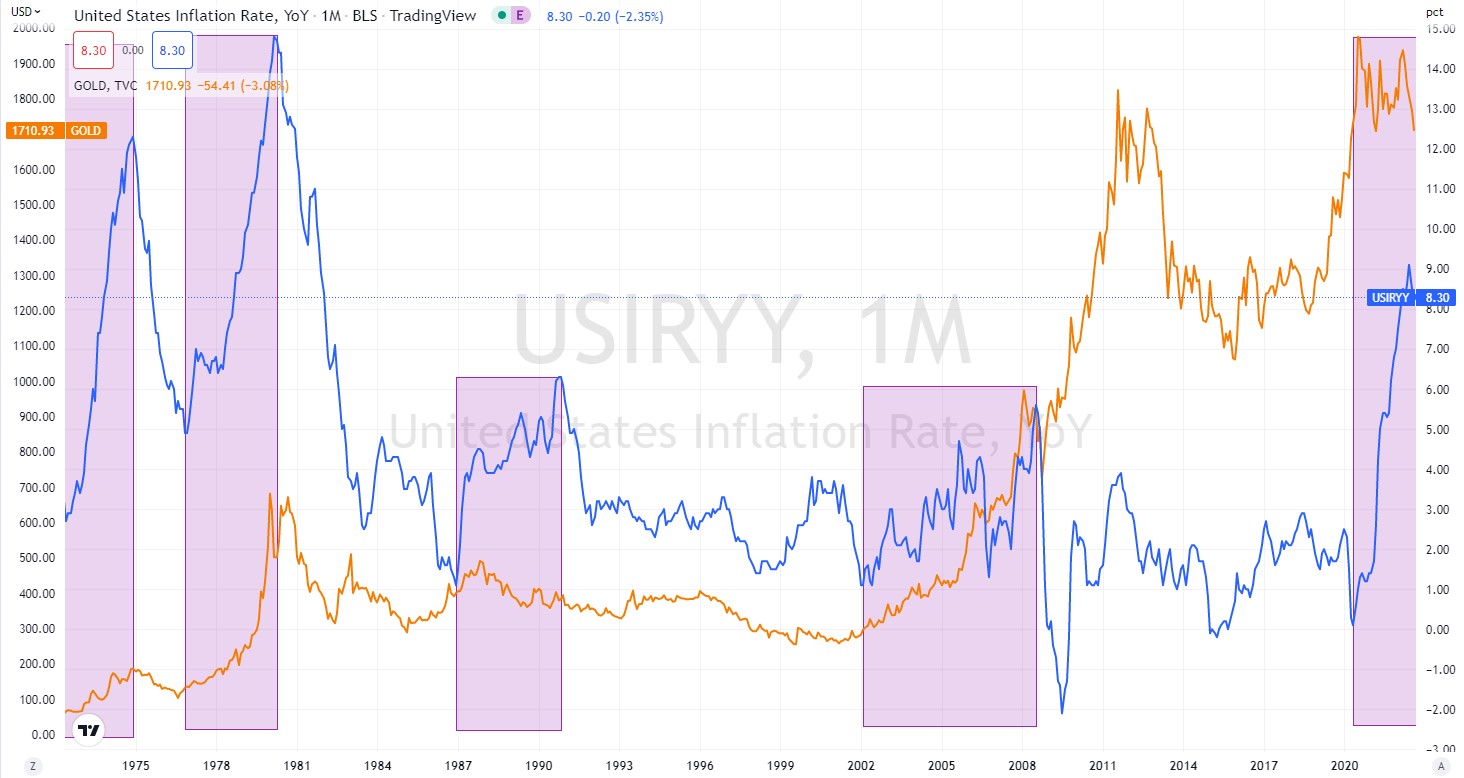
Global bond markets are currently experiencing uncertainty as government debt interest rates fluctuate, raising concerns among investors and burdening citizens. These changes reflect growing fears of inflation and economic recession.
In the current economic climate, investors find themselves in a difficult position, facing increasing challenges. While some seek to benefit from rising interest rates, others fear the potential consequences of a recession. These dynamics significantly influence investment decisions and financial market trends.
Event Details
Reports indicate that interest rates on government bonds have seen notable fluctuations in recent weeks. Yields on bonds in some countries have risen, reflecting market expectations regarding ongoing inflation. At the same time, fears of economic recession remain, complicating the financial landscape.
Financial markets are directly affected by changes in interest rates, as investors strive to assess potential risks and returns. These dynamics lead to significant fluctuations in bond prices, creating a state of uncertainty in the markets.
Background & Context
Historically, financial markets have experienced similar fluctuations during economic crises. Over the decades, there have been periods of high inflation coinciding with economic recessions, leading to a deterioration of confidence in the markets. These events remind investors of the importance of thorough analysis of economic conditions before making investment decisions.
Additionally, the monetary policies adopted by central banks play a crucial role in shaping the financial landscape. When central banks raise interest rates to combat inflation, it may lead to a slowdown in economic growth, increasing the risks of recession.
Impact & Consequences
Fluctuations in interest rates affect all aspects of the economy, from borrowing costs to investments in financial markets. When interest rates rise, borrowing costs increase, negatively impacting both businesses and individuals. This can lead to a reduction in consumer spending and investment, raising the likelihood of recession.
Moreover, changes in bond prices affect global financial markets, potentially leading to fluctuations in stock and currency prices. These dynamics make it essential for investors to closely monitor economic developments.
Regional Significance
In the Arab region, these changes in interest rates may impact local economies, as many countries rely on foreign investments. If interest rates continue to rise, the flow of investments may decline, adversely affecting economic growth.
Furthermore, rising borrowing costs may impact development projects in Arab countries, necessitating effective economic measures to address these challenges.
In conclusion, bond markets remain under significant pressure amid the current economic conditions. Investors and analysts must closely monitor developments, as any changes in interest rates could significantly impact the global economic landscape.