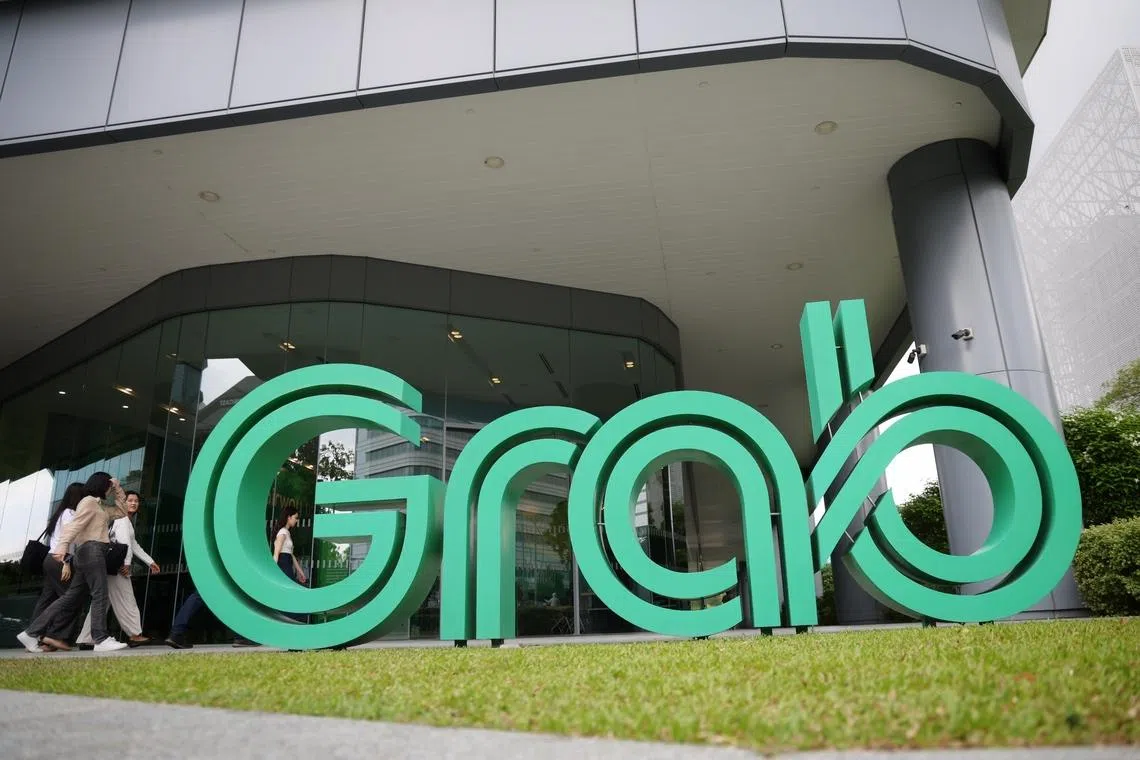
Grab, a leading provider of smart transportation services, has announced a temporary increase in fuel fees by 40 cents due to ongoing fluctuations in global fuel prices. This increase will last until May 31, potentially affecting the cost of transportation services provided to its users.
This move comes at a time when energy markets are experiencing significant volatility, with fuel prices influenced by multiple factors, including geopolitical crises and rising energy demand. This adjustment is part of Grab's efforts to adapt to changing market conditions and ensure the sustainability of its services.
Details of the Announcement
Through this increase, Grab aims to offset rising costs resulting from higher fuel prices, which have impacted many transportation companies in the region. Grab is considered one of the prominent providers of smart transportation services in Southeast Asia, relying on a dynamic pricing system that adjusts to market changes.
The company anticipates that this increase will affect ride prices, which may lead some users to seek alternative options. However, Grab has confirmed that it will continue to monitor fuel prices and will make necessary adjustments in the future to ensure its services remain competitively priced.
Background & Context
In recent years, fuel prices have experienced significant fluctuations due to various global events, including political crises and military conflicts. For instance, tensions in the Middle East have led to a substantial increase in oil prices, which in turn has affected fuel prices worldwide.
Grab is part of the smart transportation industry, which has seen notable growth in recent years, with its services becoming an integral part of many people's lives. As reliance on these services increases, any changes in fuel prices can significantly impact both users and companies alike.
Impact & Consequences
This increase in fuel fees is expected to raise transportation costs for users, which may influence their behavior in using Grab's services. Some may turn to alternative options such as public transportation or other ride-hailing services that may be less expensive.
Additionally, this move could impact the company's profits, as increased prices may lead to a decline in the number of users. At the same time, Grab may need to reassess its marketing and pricing strategies to address the new challenges in the market.
Regional Significance
Fluctuations in fuel prices are a significant issue in the Arab region, where many countries rely on oil exports as a primary source of revenue. Any changes in fuel prices can affect local economies, potentially leading to increased inflation and higher living costs.
Moreover, transportation companies operating in the region may face challenges similar to those faced by Grab, necessitating similar measures to adapt to changing conditions. Thus, this news reflects a global reality that requires companies to respond swiftly to market changes.