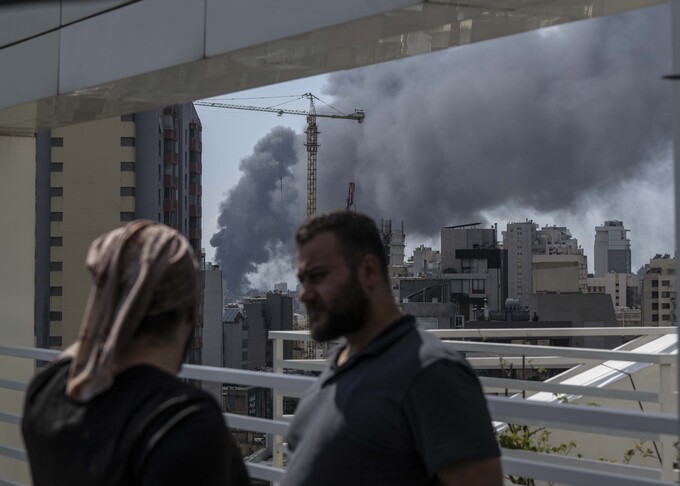
Hezbollah has announced its proximity to achieving a historic victory, marking its first response to the ceasefire reached between Iran and the United States, which lasted for two weeks. These statements come at a sensitive time characterized by increasing regional tensions, where the party has called on residents to wait for an official announcement regarding the ceasefire.
These remarks come as tensions in the region escalate, with Hezbollah seeking to bolster its position under the current circumstances. The party indicated that this ceasefire could open new avenues for negotiation and peace in the region, which it views as a positive step towards achieving stability.
Details of the Event
In an official statement, Hezbollah confirmed that it stands on the brink of a historic victory, noting that the current situation requires all parties involved to exercise patience and await the official announcement of the ceasefire details. This statement followed two weeks of negotiations between Iran and the United States, which resulted in a temporary agreement to halt hostilities.
This development comes at a time when Lebanon faces significant economic and political challenges, as the country suffers from a severe economic crisis that has impacted citizens' lives. Hezbollah believes that this ceasefire could be an opportunity to improve conditions in Lebanon and strengthen its position in the political arena.
Background & Context
Historically, Hezbollah has played a prominent role in regional conflicts, considering itself a defender of the rights of Lebanese and Arabs against external threats. The past years have witnessed an escalation in tensions between Iran and the United States, which has directly affected the situation in Lebanon.
The current ceasefire is part of international efforts to mitigate the conflict in the region, where involved parties seek to find peaceful solutions to ongoing disputes. Many Arab countries have expressed interest in ending conflicts in the region, reflecting a shared desire for stability.
Impact & Consequences
If the ceasefire is effectively implemented, it could lead to significant changes in the political landscape in Lebanon. It may bolster Hezbollah's internal position, potentially affecting political alliances within the country. Additionally, this ceasefire could pave the way for broader negotiations that include other regional issues.
On the other hand, these developments may provoke varied reactions from regional and international powers, as some may seek to exploit the situation for political gains. Therefore, close monitoring of events will be essential to understand the true dimensions of these developments.
Regional Significance
These events are particularly significant for the Arab region, as they reflect ongoing tensions between major powers and their impact on regional security and stability. The success of the ceasefire may encourage similar efforts in other conflict-affected areas.
Ultimately, the question remains regarding the ability of the involved parties to adhere to the ceasefire and achieve peace. The developments of the coming days will be crucial in determining the fate of the region and whether it will witness a shift towards stability or continue in a cycle of conflict.