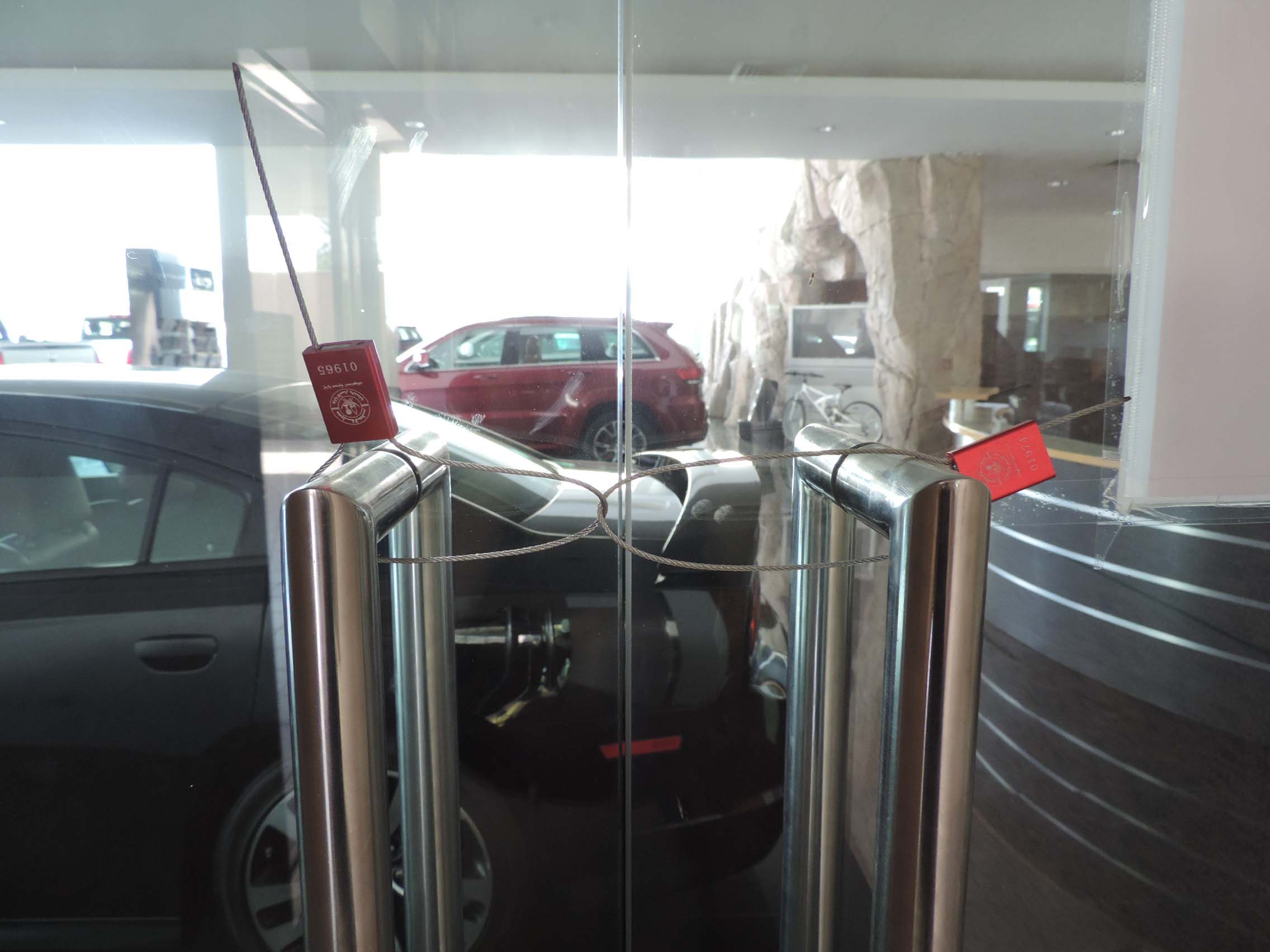
Honda has announced the closure of one of its dealerships in the Pondok Pinang area of Jakarta, reflecting the significant challenges it faces in the Indonesian automotive market. This announcement was made via the dealership's social media account, where management expressed gratitude to customers for their support and trust. However, the company has not issued any official statements clarifying the reasons behind this decision so far.
This move comes at a time when the Indonesian automotive market is experiencing intense competition, with many dealerships opting to switch to other brands, especially those producing affordable cars from China. It has been noted that several other Honda dealerships have taken similar steps, raising questions about the future of the brand in the region.
Details of the Event
Honda is considered one of the leading names in the automotive industry, but it is facing increasing challenges in Indonesia, where competition from Chinese companies offering competitively priced vehicles and modern technology has intensified. Reports have shown that Honda's sales have declined significantly, with the company recording only 71,233 units sold this year, which is far below the figures achieved in previous years.
Over the past five years, Honda's sales have seen a continuous decline, having achieved sales of 79,451 units in 2020, which rose to 91,393 units in 2021, and then 125,411 units in 2022. However, in 2023, sales dropped again to 128,010 units, indicating a persistent decline in demand for Honda vehicles.
Background & Context
Historically, Honda has been one of the leading companies in the Indonesian automotive market, enjoying a strong reputation and high quality. However, Chinese brands have begun to capture a significant market share thanks to their affordable prices and advanced technology. This shift in consumer preferences has greatly affected Honda's sales, prompting the company to reevaluate its market strategies.
Indonesia is one of the largest automotive markets in Southeast Asia, where the demand for cars is continuously increasing. However, the high competitiveness among manufacturers, especially from China, has made it difficult for traditional companies like Honda to maintain their market share.
Impact & Consequences
The closure of Honda dealerships may have negative effects on the brand in Indonesia, potentially leading to a loss of trust among customers. This trend may also indicate the necessity for the company to reassess its marketing and distribution strategies in the Indonesian market. This decline in sales is likely to result in reduced investments by Honda in the region, impacting the local economy.
Moreover, this trend may increase competition among other manufacturers, which could lead to improved product quality and better prices for consumers. However, the continued decline in Honda's sales may make it vulnerable to further pressures in the future.
Regional Significance
Honda's experience in Indonesia serves as an important lesson for Arab brands seeking to enter new markets. Arab companies can benefit from studying changes in consumer preferences and how to adapt to increasing competition. Additionally, the shift towards electric and sustainable vehicles could have a significant impact on the future of the automotive industry in the region.
In conclusion, the closure of Honda dealerships in Indonesia is an indicator of the challenges faced by traditional companies amid strong competition from new brands. Innovative strategies are required to adapt to market changes and ensure continuity.