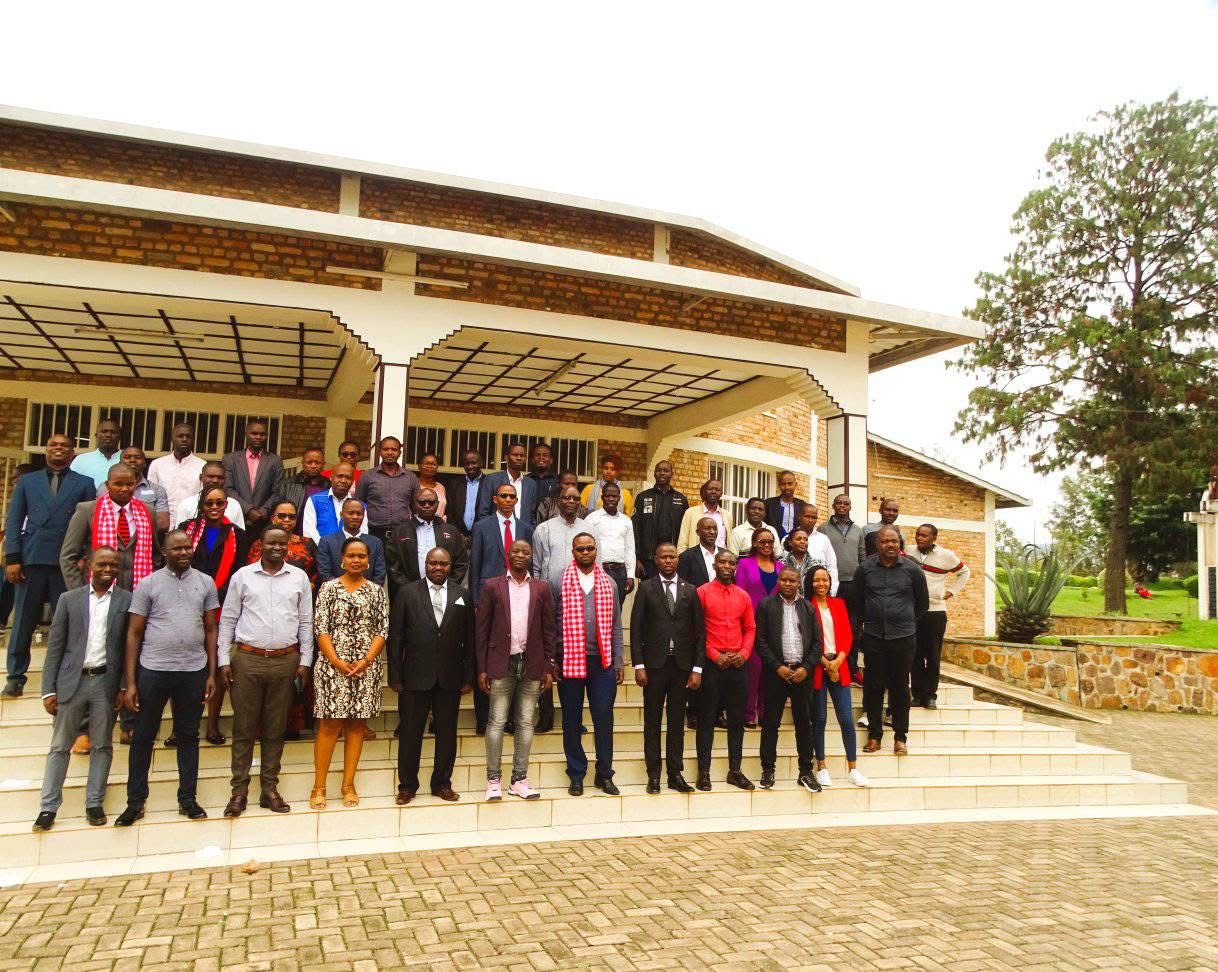
The Bank Indonesia representative office in Borobudur announced the significance of applying the Global Trade Analysis Project (GTAP) model as a strategic tool for analyzing regional economic policies. This announcement comes amid increasing global economic challenges, where the head of the office, Kristofini, emphasized that the model provides data-driven recommendations.
During a workshop on the application of the GTAP model, Kristofini explained that the use of this model has become increasingly important due to structural changes in the global industry, advanced technology, fluctuations in international trade, and geopolitical dynamics affecting policy-making.
Event Details
The workshop was held in collaboration with the Indonesian Economists Association and the Bank Indonesia office in Borobudur, focusing on how to utilize the GTAP model in policy analysis. Kristofini noted that the policy formulation process must comprehensively consider all sectors and regions.
Additionally, an explanation was provided on how to use the model to simulate the impact of various policies and offer evidence-based recommendations. Participants were given a comprehensive understanding of how to process data, conduct simulations, and prepare policy summaries.
Background & Context
Historically, Indonesia has witnessed significant changes in its economic structure, transitioning from an agriculture-based economy to a more diversified one. This transformation necessitates advanced analytical tools like the GTAP model, which helps in understanding the interactions between different sectors and the impact of policies on the macroeconomy.
The GTAP model is a powerful tool used by many countries to analyze trade and economic policies. Previous studies have demonstrated its effectiveness in providing accurate insights into the effects of trade and economic policies.
Impact & Consequences
Implementing the GTAP model could enhance the effectiveness of economic policies in Indonesia, promoting economic growth and reducing poverty. By providing data-driven recommendations, policymakers can take more informed steps in addressing economic challenges.
Furthermore, the model can contribute to fostering cooperation among various sectors, leading to the development of comprehensive strategies that promote sustainable growth.
Regional Significance
Arab countries can benefit from Indonesia's experience in using the GTAP model to analyze their economic policies. Given the global economic challenges, it becomes essential for Arab nations to develop similar analytical tools to enhance their capacity for data-driven decision-making.
Moreover, cooperation among Arab countries in sharing knowledge about the use of trade analysis models can contribute to strengthening economic stability in the region.
In conclusion, the application of the GTAP model represents an important step towards improving economic policies in Indonesia and can serve as a model for other countries in the region.