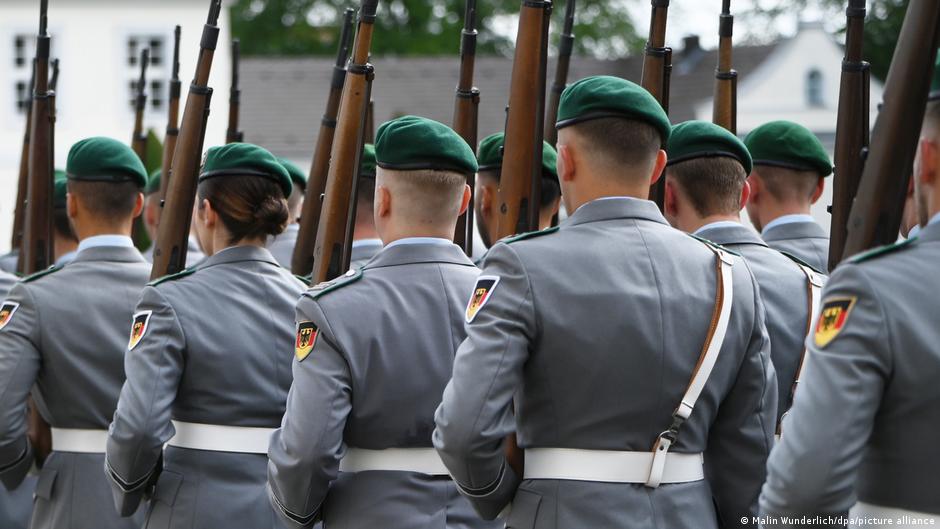
Amid increasing security tensions, requests for conscientious objection in Germany have surged, with reports indicating that youth are increasingly inclined to submit their applications. This follows the introduction of a new military service law that mandates compulsory examination for those born in 2008 and later, aimed at bolstering voluntary military recruitment. Additionally, the parliament may activate mandatory military service if recruitment goals are not met.
These developments coincide with calls from Bavaria's Prime Minister, Markus Söder, for the reintroduction of mandatory military service. According to the Neue Osnabrücker Zeitung, there were 2,656 applications recorded in the first quarter of this year, compared to 2,998 applications in 2024 and 3,867 in 2025. If this trend continues, 2026 could witness the highest number of applications since the suspension of military service in 2011.
Details on the Current Situation
While the number of applications is increasing, there are also some applicants who have reversed their previous decisions, with 781 such cases recorded last year and 233 in the first quarter of this year. These figures indicate a significant shift in youth attitudes towards military service amid changing political and security circumstances.
Moreover, Germany has seen a substantial increase in military spending, with expenditures exceeding 97 billion euros (approximately 114 billion dollars) in 2025, making it the fourth largest country in the world in terms of defense spending. According to the Stockholm International Peace Research Institute (SIPRI), the 24% increase has pushed Germany beyond the 2.3% GDP threshold for defense, surpassing the 2% target set by NATO for the first time since 1990.
Background & Context
Historically, mandatory military service has been part of Germany's military culture, having been suspended in 2011. However, increasing geopolitical tensions in Europe, particularly following events in Ukraine, have led to a reconsideration of these policies. Germany, which has faced constraints in its military budget, is now significantly increasing its spending, reflecting a shift in its defense strategy.
In recent years, Europe as a whole has experienced a rise in military spending, with expenditures increasing by 14%, representing the fastest annual growth in Central and Western Europe since the end of the Cold War. This trend reflects growing concerns over external threats and underscores the importance of military security in European policies.
Impact & Consequences
These developments underscore the necessity for a reassessment of defense policies in Germany and Europe as a whole, which may lead to strategic changes in how future security threats are addressed.
As the landscape of military service and defense spending evolves, the implications for Germany's role in European security and its military commitments will be significant, potentially reshaping its approach to international relations and defense alliances.
Regional Significance
The implications of these trends extend beyond Germany, impacting the broader European security framework. As nations reassess their military capabilities and obligations, the collective security of Europe may be influenced, necessitating a unified response to emerging threats.
In conclusion, the rising objections to mandatory military service among German youth highlight a critical juncture in the nation's defense policy, reflecting broader societal attitudes towards military engagement and security in an increasingly complex geopolitical landscape.