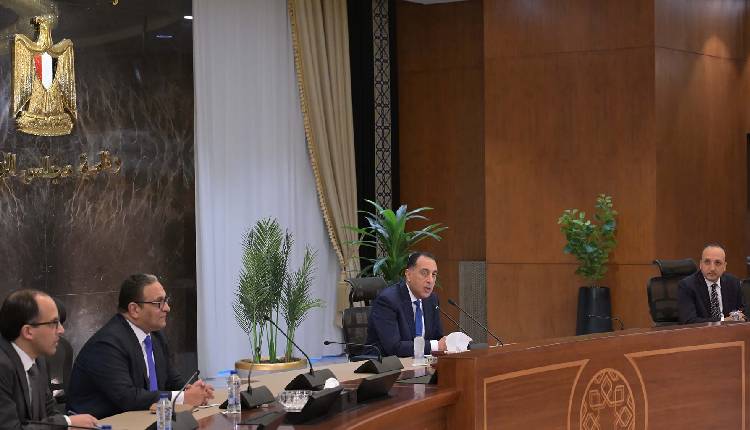
The National Wages Council in Egypt has confirmed that increasing salaries has become an urgent necessity to face the growing global economic challenges. The council pointed out that the current economic conditions require urgent measures to ensure the improvement of citizens' living standards.
These statements come at a time when the global economy is facing numerous crises, including rising inflation rates and increasing prices of essential goods. The council indicated that these factors directly affect citizens' purchasing power, necessitating salary increases to help them confront these challenges.
Details of the Event
In official statements, the National Wages Council clarified that salary increases should be proportional to the rise in living costs. It stressed the urgent need for periodic wage reviews to ensure they align with changing economic conditions. The council also highlighted the importance of cooperation between the government and the private sector to achieve this goal.
The council called for the need to establish clear strategies for salary increases, taking into account both local and international economic conditions. It emphasized that these strategies should encompass all sectors, including both public and private sectors, to ensure social justice.
Background & Context
Historically, Egypt has faced numerous economic challenges, especially in recent years. The country has been significantly impacted by global crises, such as the COVID-19 pandemic, which led to a decline in economic activity and an increase in unemployment rates. Additionally, political and economic crises in the region have exacerbated the situation.
In this context, the National Wages Council is one of the bodies responsible for determining the minimum wage in the country, working to improve working and living conditions for workers. It was established with the aim of achieving social justice and ensuring workers' rights in the face of economic challenges.
Impact & Consequences
If salary increases are implemented effectively, they could contribute to improving citizens' living standards and enhance their ability to confront economic challenges. Furthermore, salary increases may lead to an increase in local consumption, which contributes to stimulating the economy.
However, this must be done cautiously, as increasing salaries without considering other economic factors could lead to inflation, which may harm the economy in the long term. Therefore, a comprehensive plan should be in place that considers all economic and social factors.
Regional Significance
Egypt's experience in increasing salaries serves as a model that many Arab countries facing similar economic challenges can follow. Given the difficult economic conditions most countries in the region are experiencing, improving living standards through salary increases could be a positive step.
Moreover, cooperation among Arab countries in this area could contribute to enhancing economic stability in the region, helping to address common challenges. Thus, sharing experiences and strategies among Arab countries is essential for achieving sustainable development.
In conclusion, increasing salaries remains an urgent necessity to confront global economic challenges. Governments and relevant authorities must work diligently to achieve this goal, ensuring the improvement of citizens' living standards and enhancing economic stability.