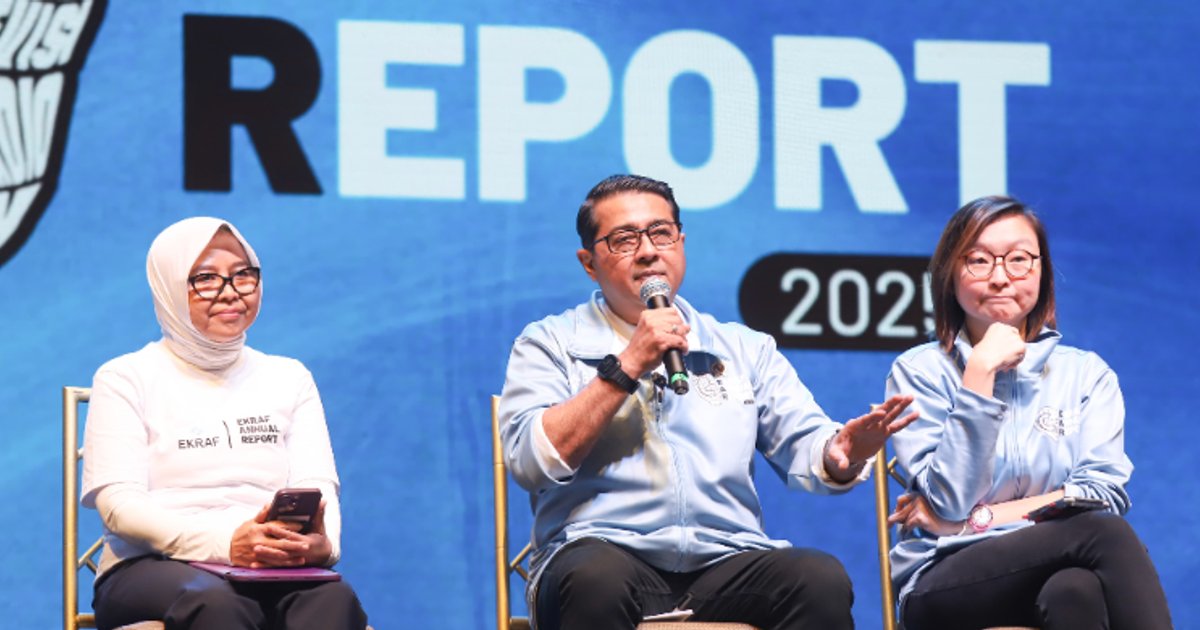
The Indonesian Ministry of Creative Economy (Kemenekraf) has announced the initiation of a comprehensive guide to regulate the creative services sector, aiming to prevent the recurrence of corruption cases like the recent one involving photographer Amzal Kristi Setbo. This announcement was made during a press conference held in the capital Jakarta, where Minister Teiko Rivki Harsia emphasized the importance of this guide in promoting transparency and accountability.
The minister noted that the ministry is working to involve various stakeholders, including associations and active communities in the creative industry, to ensure that the guide is comprehensive and suitable for market needs. He pointed out that the government aims to complete the preparation of this guide in the coming months.
Details of the Event
This step follows an investigation into a corruption case involving photographer Amzal Kristi Setbo, who was accused of misusing public funds during a project related to the management and establishment of a communications and information network in Kabupaten Karo in North Sumatra from 2020 to 2022. The losses resulting from this case were estimated at around 202,161,980 rupiah, raising concerns within the government regarding the management of public funds in this sector.
According to reports from the Karo Inspection Office, some service costs, such as idea design and audio recording, were supposed to be free, raising questions about how prices are determined in this sector.
Background & Context
Historically, Indonesia has witnessed significant development in the creative economy sector, which is considered one of the main drivers of economic growth. However, rampant corruption in some aspects of this sector has harmed its reputation and hindered its growth. In recent years, the government has taken serious steps to combat corruption and enhance transparency, including establishing regulatory bodies and developing new policies.
The rapid technological developments in the digital age necessitate clear standards to regulate this sector, prompting the government to consider preparing a comprehensive guide that outlines the necessary standards and foundations to ensure the integrity of operations.
Impact & Consequences
The preparation of this guide could have positive impacts on the creative economy sector in Indonesia, as it will help enhance trust between service providers and beneficiaries. It will also contribute to improving the quality of services offered, which may lead to increased investments in this sector.
On the other hand, the success of this guide depends on the government's commitment to its implementation and monitoring, along with the cooperation of all stakeholders. If effectively applied, it could become a model for other countries facing similar issues in the creative economy sector.
Regional Significance
Indonesia is considered one of the largest economies in Southeast Asia, and the Indonesian government's experience in combating corruption in the creative economy sector could serve as an inspiration for Arab countries facing similar challenges. With the increasing importance of the creative economy in the Arab world, it is essential for Arab nations to adopt clear policies to ensure transparency and integrity in this sector.
In conclusion, this development in Indonesia highlights the importance of regulating the creative services sector as a step towards promoting sustainable economic growth, reflecting the government's commitment to combating corruption and achieving comprehensive development.