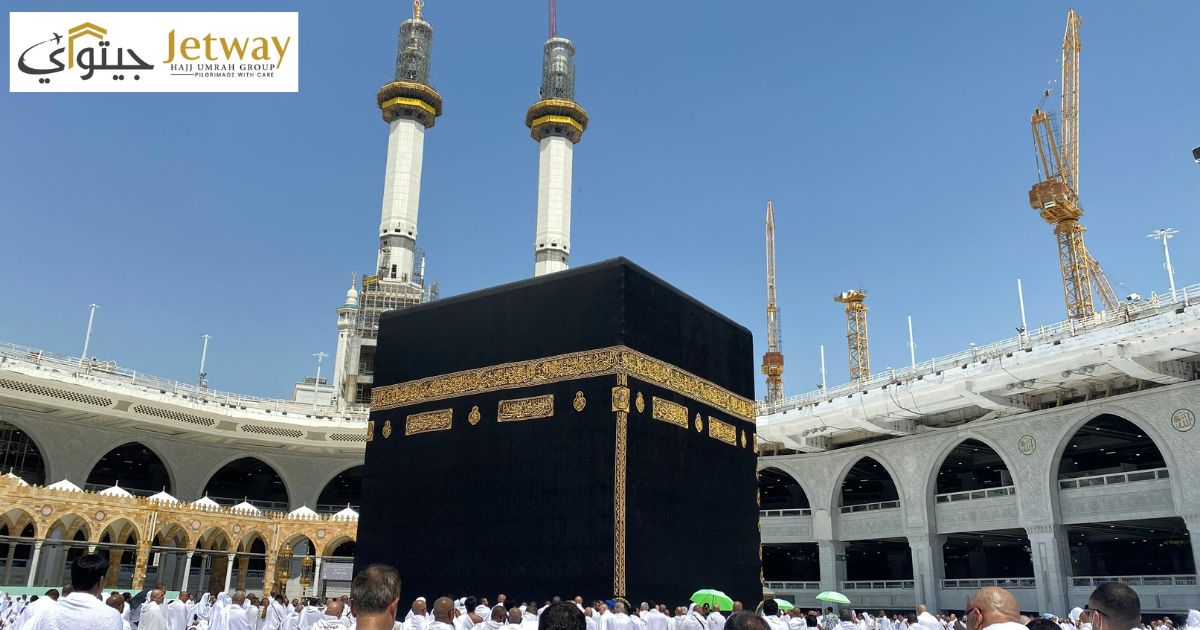
The Indonesian government is seeking to make adjustments to the costs of Hajj for 2026, as the Ministry of Hajj and Umrah evaluates the possibility of modifying prices in light of the continuous rise in fuel costs. This decision is part of the government's efforts to alleviate the financial burdens on pilgrims and ensure that the costs of Hajj remain affordable for everyone.
This initiative is a reflection of the Indonesian government's commitment to providing a comfortable and safe Hajj experience for its citizens. The ministry has confirmed that it is exploring all available options to ensure that pilgrims do not face any additional financial burdens due to rising service costs associated with Hajj.
Event Details
In recent years, Indonesian pilgrims have faced increasing challenges, with Hajj costs rising significantly due to several factors, including increased fuel prices and logistical services. In this context, the government is taking proactive steps to mitigate these financial pressures.
The current studies include a comprehensive assessment of the costs associated with Hajj, including transportation, accommodation, and health services. The ministry is also seeking to collaborate with relevant authorities in Saudi Arabia to ensure high-quality services for Indonesian pilgrims.
Background & Context
Historically, Hajj is one of the five pillars of Islam and holds great significance for Muslims worldwide. With the increasing number of pilgrims from Indonesia, the largest Muslim-majority country by population, the government is obligated to provide suitable conditions for fulfilling this religious duty.
In recent years, Indonesia has witnessed a rise in the number of pilgrims, leading to increased pressure on the services provided. Therefore, adjusting Hajj costs reflects the government's commitment to providing the necessary support to ensure that pilgrims can perform their rituals without financial obstacles.
Impact & Consequences
Potential adjustments to Hajj costs could significantly affect the number of Indonesian pilgrims in the coming years. If the government succeeds in reducing costs, it may encourage more citizens to undertake the pilgrimage, thereby enhancing the religious spirit in the country.
Moreover, this step could bolster the Indonesian government's reputation for supporting its citizens, which may positively influence public trust in the government. At the same time, mechanisms must be in place to ensure the quality of services provided to pilgrims, so that adjustments do not compromise service levels.
Regional Significance
Indonesia is one of the largest sending countries of pilgrims to Saudi Arabia, and thus any changes in Indonesian Hajj policies may impact religious tourism in the Kingdom. An increase in the number of pilgrims could enhance the local economy in holy cities like Mecca and Medina.
Furthermore, cooperation between the Indonesian and Saudi governments in improving Hajj services can contribute to strengthening bilateral relations, benefiting both countries in various fields.
In conclusion, the Indonesian government's study of adjusting Hajj costs for 2026 represents an important step toward improving the pilgrimage experience for its citizens. By taking these measures, the government reflects its commitment to providing necessary support to its citizens, contributing to the enhancement of the religious spirit and reinforcing Indonesia's position as a key supporter of Hajj in the Islamic world.