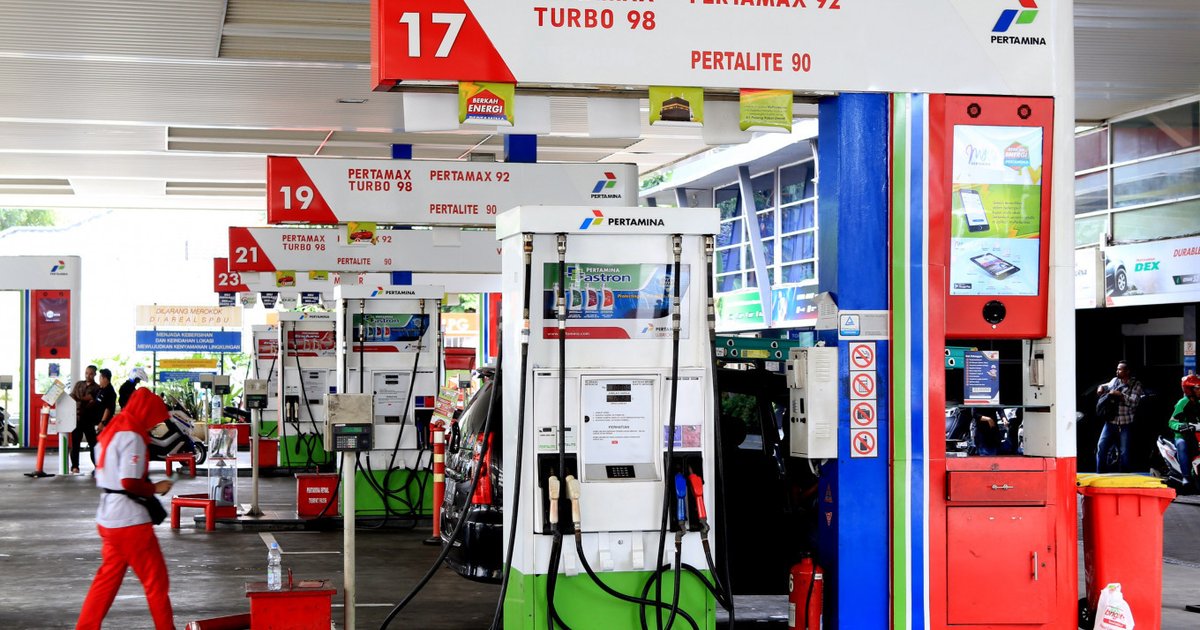
Fadli Zon, Deputy Chairman of the Gerindra Party, stated that the Indonesian government's decision to maintain subsidized fuel prices is a positive step that reflects the government's commitment to economic policies serving the citizens. This announcement was made in Jakarta, where he pointed out that this move comes amidst rising global oil prices.
Zon emphasized that keeping subsidized fuel prices stable will help reduce inflation rates, contributing to price stability in the local market. He explained that this decision reflects the government's direction towards an economy focused on the welfare of the people rather than following traditional free-market economic policies.
Event Details
In his remarks, Zon mentioned that the government made its decision based on the economic principles of President Joko Widodo, which focus on the concept of a people's economy and social justice. He noted that many other countries have raised fuel prices under current conditions, leading to widespread protests in some places, such as the United States.
Zon added that the Indonesian government aims to maintain price stability by supporting fuel prices, which helps avoid any increases in the prices of other goods. He confirmed that this decision aligns with Article 33 of the Indonesian Constitution, which states that the country's wealth should be used for the benefit of the people.
Background & Context
Historically, Indonesia has faced numerous economic challenges, particularly amid fluctuations in global oil prices. In recent years, the government has been under increasing pressure to raise subsidized fuel prices, which could have led to higher inflation rates. However, the government chose to maintain subsidized fuel prices as part of its economic strategy.
Subsidized fuel is a crucial part of the Indonesian economy, relied upon by many citizens in their daily lives. Therefore, any change in fuel prices can significantly impact living standards.
Impact & Consequences
The government's decision not to raise subsidized fuel prices may have positive effects on the Indonesian economy. This decision is expected to help maintain price stability, enhancing citizens' ability to cope with economic challenges. Additionally, this decision may reflect the government's commitment to promoting social justice.
However, the government must be prepared to face any negative repercussions that may arise from this decision, such as increased pressure on the public budget. Thus, balancing price support with maintaining financial stability will be vital.
Regional Significance
Indonesia's experience in supporting fuel prices serves as a model for some Arab countries facing similar challenges amid rising global oil prices. These countries may benefit from studying the economic policies implemented by Indonesia, particularly regarding price support and protecting citizens from the effects of inflation.
In conclusion, the Indonesian government's decision not to raise subsidized fuel prices demonstrates a clear commitment to economic policies that serve the people, highlighting the importance of balancing price support with achieving financial stability.