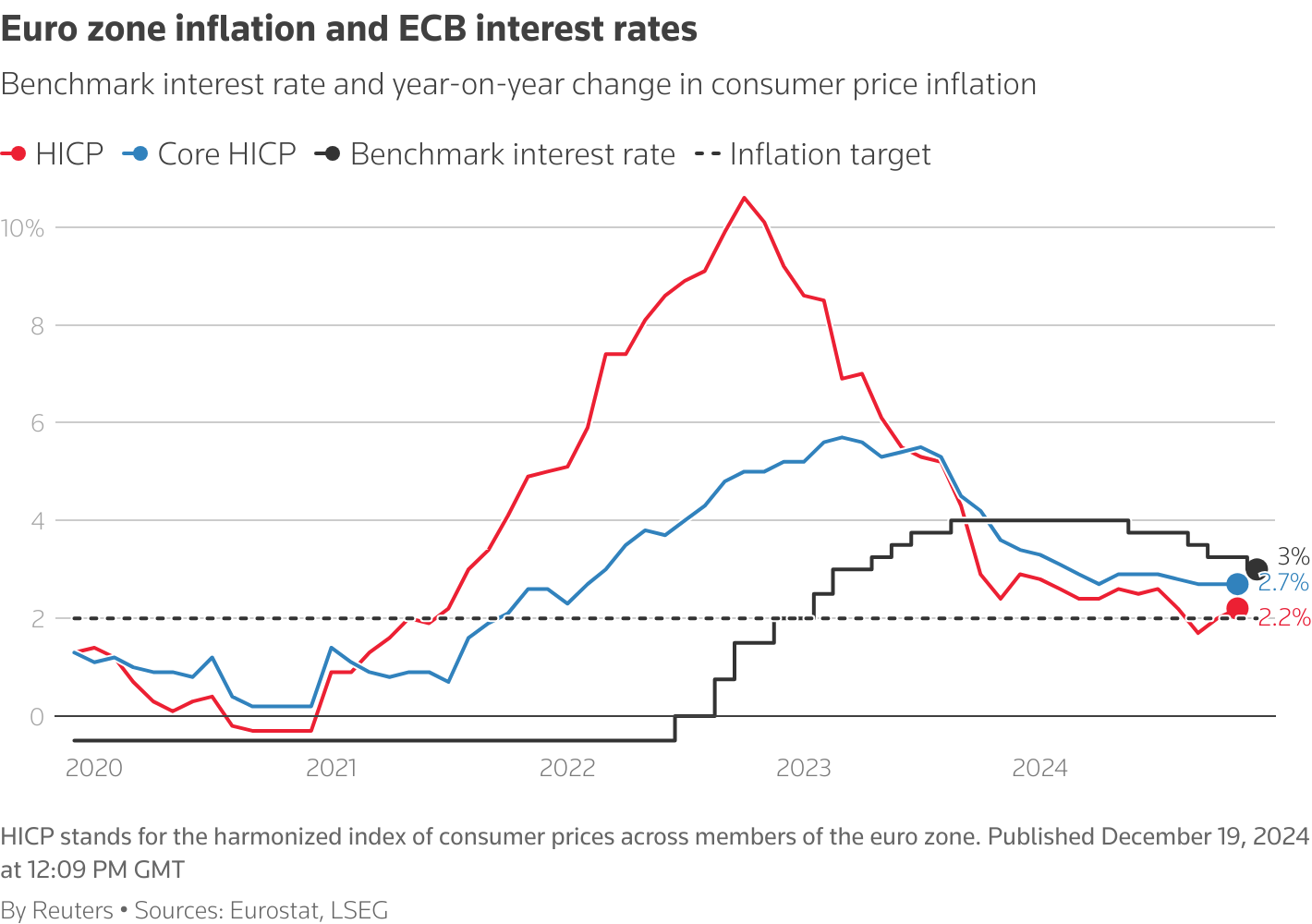
Recent reports suggest that the European stock market is notably ignoring the sharp increases in interest rates anticipated by the bond market, raising concerns among investors about potential inflation risks. Investors appear to be betting that market expectations regarding inflation may be exaggerated, which could lead to significant losses if these concerns prove valid.
As inflationary pressures mount in many European countries, investors face new challenges in making sound investment decisions. Rising interest rates are one of the primary tools used by central banks to curb inflation, yet the stock market seems to be overlooking these economic dynamics.
Market Reactions to Central Bank Policies
Attention is currently focused on how financial markets will respond to the central banks' policies in Europe, which aim to combat rising inflation. Recently, there has been a notable increase in interest rates, reflecting investor concerns about inflation's impact on economic growth. However, the stock market continues to reflect an unjustified optimism at times, raising questions about the sustainability of this optimism.
Data shows that many investors are betting that inflation will begin to decline, leading them to overlook the risks associated with rising interest rates. This trend could result in a significant correction in the stock market if their expectations prove incorrect.
Historical Context and Background
Historically, there have been similar periods where financial markets ignored inflation risks, leading to sharp price corrections. In previous times, such as during the 2008 global financial crisis, markets suffered instability due to neglecting economic risks. Therefore, the current situation reminds us of those critical periods that require investors to exercise caution.
Inflationary pressures in Europe are increasing due to several factors, including rising energy prices and disruptions in supply chains. These factors contribute to higher living costs, increasing pressure on central banks to take stringent actions.
Potential Consequences and Economic Impact
If investors continue to ignore the risks associated with inflation, it could lead to a significant correction in the stock market. Such a correction could affect the economy as a whole, potentially resulting in decreased investments and increased unemployment. Furthermore, any market correction could negatively impact confidence in the economy, hindering sustainable growth.
Additionally, rising interest rates may lead to increased borrowing costs, affecting small and medium-sized enterprises that rely on external financing. Thus, any correction in the stock market could have far-reaching effects on the European economy.
Implications for the Arab Region
The financial markets in the Arab region are directly affected by economic developments in Europe. If European markets experience a significant correction, it could lead to negative impacts on Arab markets, potentially resulting in capital outflows and increased pressure on local currencies.
Moreover, rising interest rates in Europe may affect oil prices and commodity prices, reflecting on the economies of Arab countries that depend on oil exports. Therefore, investors in the region should be aware of potential risks and make informed investment decisions.
In conclusion, the current situation in European financial markets requires investors to exercise caution and pay attention to potential risks associated with inflation. Ignoring these risks could lead to severe consequences for the economy and financial markets, not only in Europe but also in the Arab region.