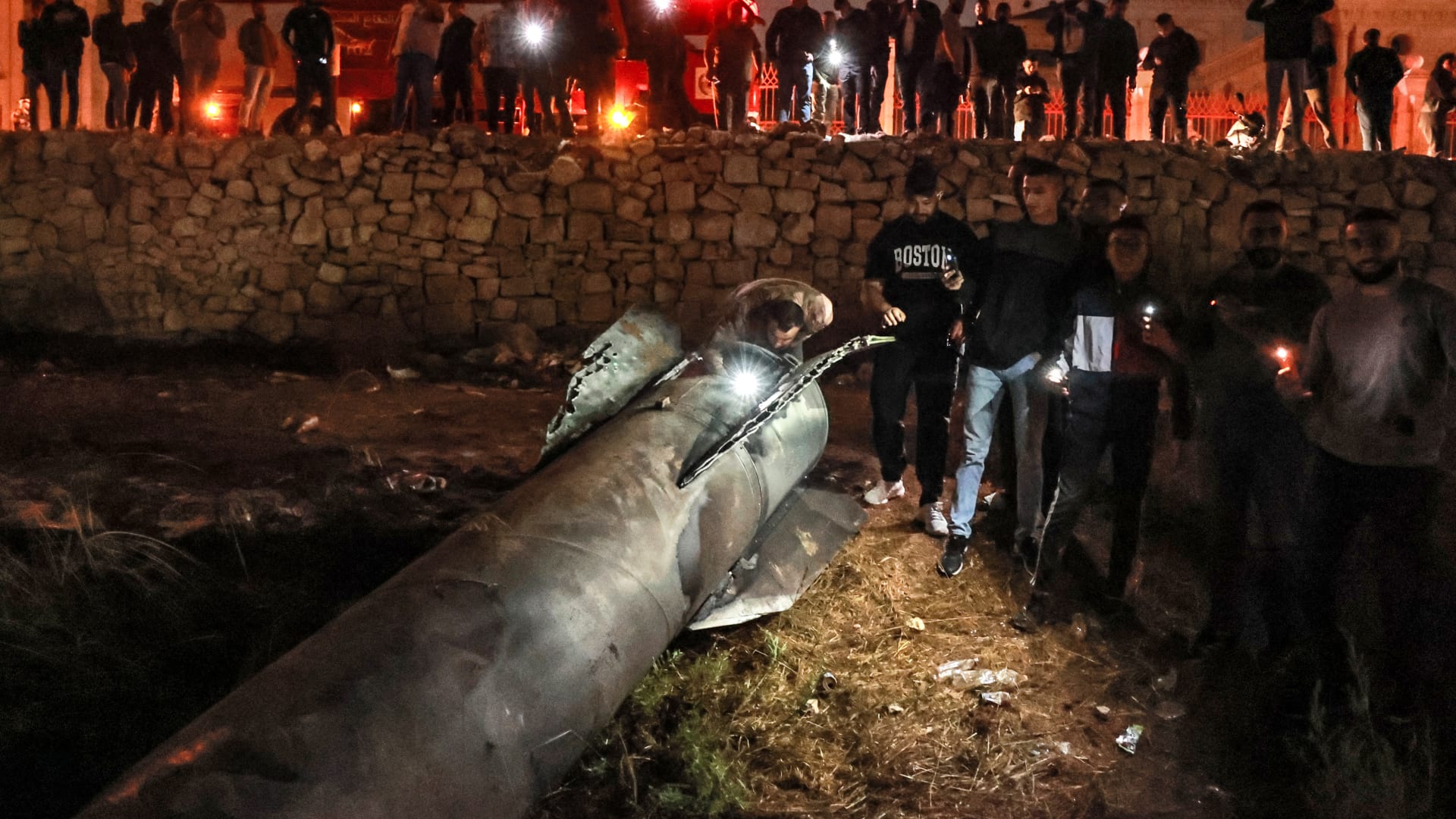
As tensions rise from the Iranian war, investors are selling stocks and bonds to rebuild their cash reserves, reflecting strategies similar to those adopted after Russia's invasion of Ukraine in 2022.
Concerns are mounting among investors about the ongoing conflict's impact in the Middle East, prompting them to take precautionary steps to mitigate risks. Reports indicate that many investors now prefer to hold cash rather than risk exposure in volatile financial markets.
Details of the Situation
Data shows that investors have begun to significantly reduce their investments in stocks and bonds, marking a direct response to the escalating tensions in the region. While financial markets have been experiencing significant volatility, the shift towards cash liquidity reflects investors' desire to protect their funds from potential risks.
This shift comes at a time when the global economy is facing multiple challenges, including high inflation and rising interest rates. This has led to a decline in investor confidence in financial markets, prompting a move towards safer options.
Background & Context
Historically, financial markets have seen similar shifts during times of crisis. Following Russia's invasion of Ukraine in 2022, many investors turned to cash liquidity as a means of safeguarding their investments. This trend reflects the uncertainty surrounding markets during military conflicts.
The current Iranian war is considered one of the most complex conflicts in the region, affecting many neighboring countries and exacerbating political and economic tensions. In this context, investors are seeking to reduce their risk exposure by reassessing their investments.
Impact & Consequences
These shifts in investor behavior could have significant effects on financial markets. If the trend towards cash liquidity continues, we may witness a further decline in stock and bond prices, which could impact global economic growth. Additionally, this shift could exacerbate financial crises in countries that rely on foreign investments.
Moreover, increasing fears of military conflicts may lead to heightened market volatility, making it difficult for investors to make informed decisions. Under these circumstances, predicting how markets will evolve in the near future may prove challenging.
Regional Significance
For the Arab region, the escalating tensions from the Iranian war could directly impact local economies. Many Arab countries depend on foreign investments, and any decline in investor confidence could lead to deteriorating economic conditions in these nations.
Furthermore, military conflicts in the region could drive up oil prices, which may have dual effects on Arab economies. While rising oil prices could boost revenues in some countries, they could also increase living costs and pressure lower-income classes.
In conclusion, the shift towards cash liquidity by investors reflects a state of uncertainty in global financial markets. As tensions in the Middle East continue, it will be crucial to monitor how these dynamics affect the global economy and Arab economies in particular.