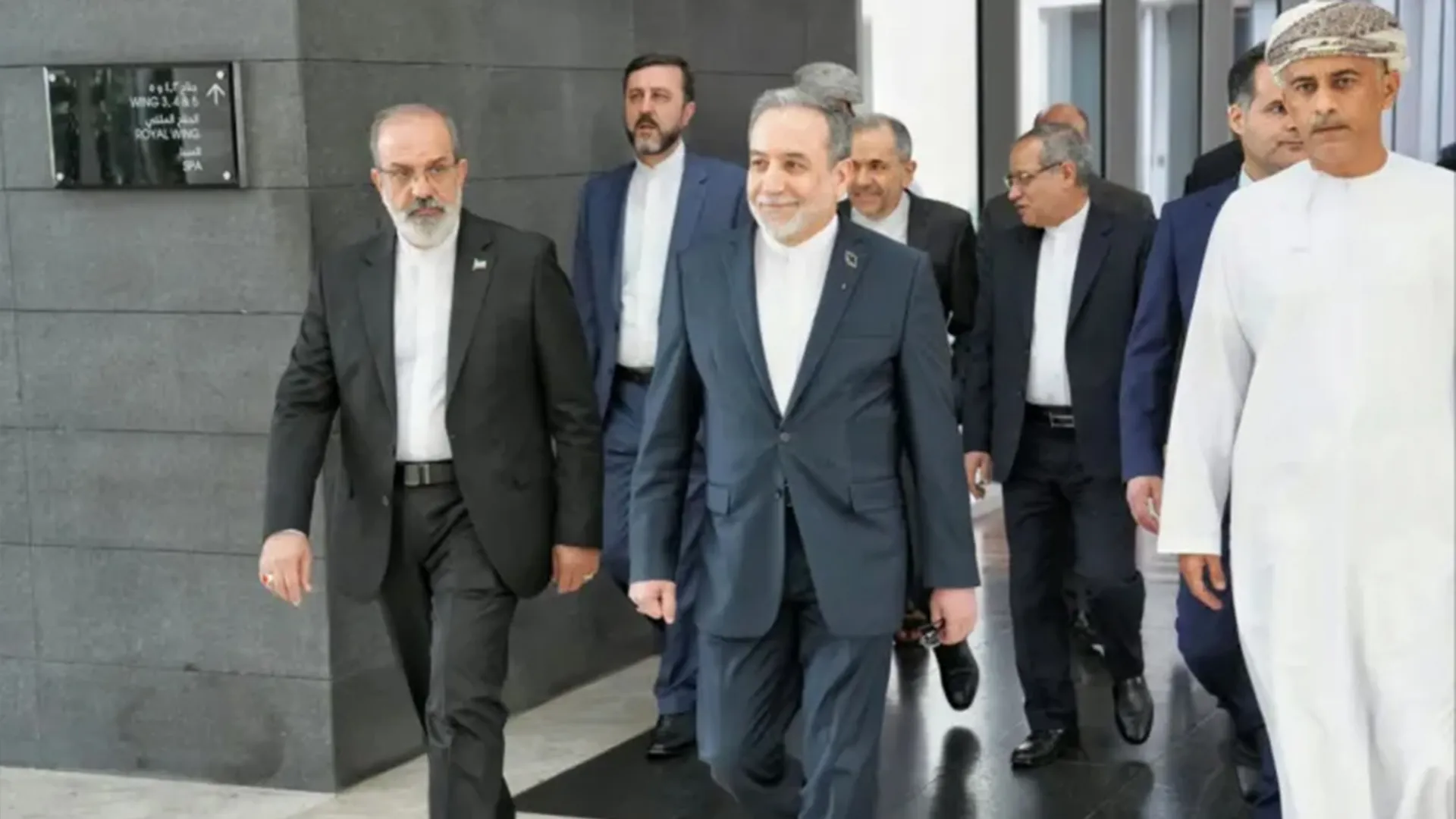
Iran continues to assert its steadfast position regarding the Strait of Hormuz and its nuclear file, complicating the negotiation process with the United States. In this context, Pakistan's Foreign Ministry spokesperson, Tahir Andrabi, announced China's support for Pakistan's mediation efforts aimed at ending the conflict in Iran, highlighting a joint five-point initiative designed to advance the settlement process in the region.
During a press conference held today, Friday, Andrabi clarified that Pakistani Prime Minister Shahbaz Sharif will begin an official visit to China starting tomorrow, Saturday, to discuss updates on the joint initiative aimed at resolving the conflict in the Middle East.
Event Details
The director of Al Jazeera's office in Pakistan, Abdul Rahman Matar, reported that the joint initiative launched by Pakistan and China over a month ago includes five points aimed at ending the regional conflict through political and diplomatic means. This initiative comes at a sensitive time as tensions between Iran and the United States escalate, making it difficult to reach a comprehensive agreement.
In her analysis of the situation, Dr. Setareh Sadeghi, a professor of American studies at the University of Tehran, suggested that Iran will not change its stance on the Strait of Hormuz and the nuclear file during negotiations with Washington. She noted that Iranian public opinion views these two files as essential defensive tools that cannot be compromised, reflecting the national sensitivity surrounding these issues.
Background & Context
Historically, the Strait of Hormuz is considered a vital strategic point, through which approximately 20% of the world's oil passes. This makes any threats or tensions in the region significantly impact oil prices and global markets. Since the outbreak of the war, relations between the Iranian government and public opinion have undergone a fundamental transformation, with the government becoming more attentive to public sentiment in an attempt to maintain social cohesion.
In this context, former U.S. Assistant Secretary of State Joy Hood ruled out any comprehensive settlement between Washington and Tehran in the foreseeable future, citing the low level of trust between the two parties. However, he clarified that Washington has considerable flexibility regarding frozen assets and sanctions, which could open the door for future negotiations.
Impact & Consequences
Challenges are increasing for Iran amid ongoing U.S. sanctions, as Tehran has developed what is known as a "resistance economy," making it less susceptible to sanctions. Dr. Setareh Sadeghi confirmed that Iran has six alternative export routes, enhancing its ability to withstand economic pressures.
Regarding NATO's relationship with the Strait of Hormuz, Hood explained that former President Donald Trump had called on the alliance to support the restoration of freedom of navigation through the strait. However, he described this approach as lacking sound logic unless these forces were authorized to open the strait by force if necessary.
Regional Significance
Developments in Iran and the Strait of Hormuz have significant implications for the Arab region, as any escalation in tensions could lead to rising oil prices and impact the economies of Gulf states. Additionally, the continuation of U.S. sanctions may push Iran to strengthen its ties with countries such as China and Russia, potentially altering the balance of power in the region.
In conclusion, the situations in Iran and the Strait of Hormuz remain focal points for global attention, where political and economic interests intertwine, making it difficult to predict the future of relations between Iran and the United States or the broader impact on the region as a whole.