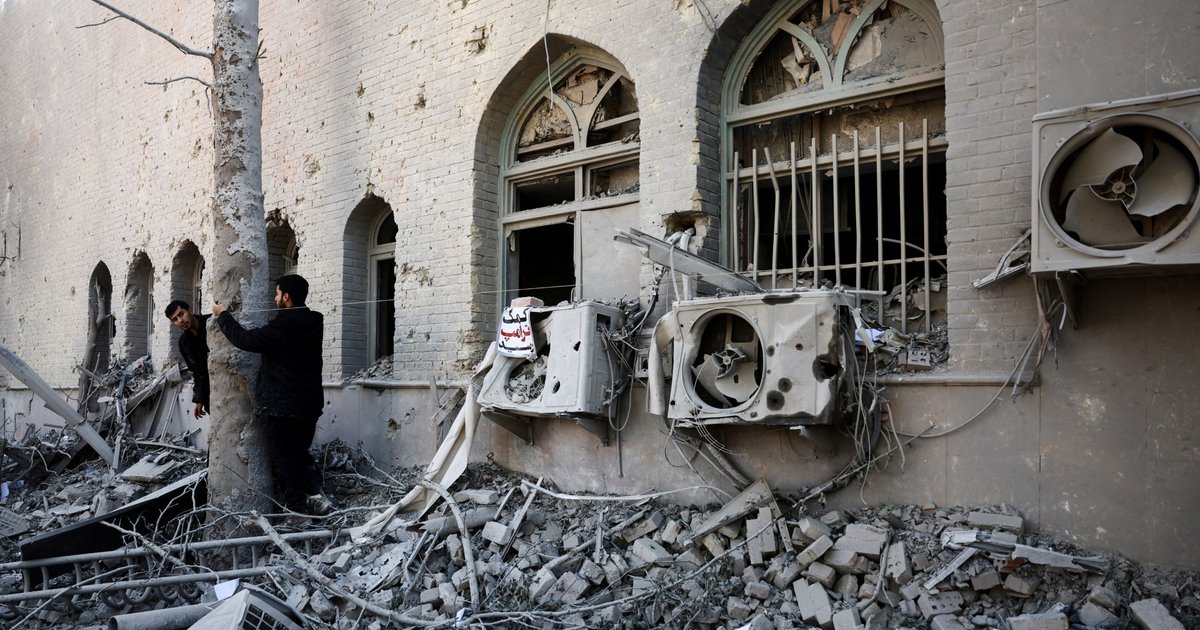
Iran's Foreign Minister Abbas Araghchi announced on Wednesday that Iran will halt its military operations if attacks targeting the country stop. Araghchi confirmed in a post on platform X that the Iranian armed forces would cease their defensive operations should the attacks come to an end.
He also expressed his gratitude to Pakistani Prime Minister Shahbaz Sharif and Chief of Army Staff General Asim Munir for their mediation efforts, indicating that Iran is responding to calls for dialogue and negotiation.
Details of the Announcement
Araghchi accused the United States and Israel of initiating a war against Iran and violating international laws, stating that Iran's actions were within the framework of "legitimate defense" and targeted military and security sites. These statements come at a sensitive time when the region is experiencing increasing tensions, raising questions about the future of Iranian relations with its neighbors.
Through these statements, Iran aims to de-escalate the situation, reflecting its desire for dialogue rather than military escalation. This move may serve as an attempt to alleviate international pressures on the country.
Background & Context
Historically, Iranian relations with its neighbors have been marked by ongoing tensions, particularly with the United States and Israel. Since the U.S. withdrawal from the Iranian nuclear deal in 2018, tensions have significantly escalated, leading to a series of military clashes and mutual threats.
Pakistan, which plays a mediating role in this crisis, seeks to maintain regional stability, considering that any military escalation could adversely affect its national security. Iranian-Pakistani relations have improved in recent years, reflecting both countries' desire for cooperation in various fields.
Impact & Consequences
If the involved parties respond positively to calls for dialogue, it could lead to a reduction in regional tensions. However, if attacks continue, Iran may retaliate more strongly, potentially leading to serious military escalation. This scenario could negatively impact regional security and complicate the situation in the Middle East.
The Iranian statements also indicate a possibility of reevaluating defense and security strategies in the region, as other countries may seek to strengthen their alliances to counter potential threats.
Regional Significance
These developments are of great importance to the Arab region, as they could affect relations between Arab states and Iran. Many Arab countries are concerned about Iran's increasing influence in the region and may seek to bolster their alliances to counter this influence.
If mediation efforts succeed, it could open doors for broader dialogue between Iran and Arab states, contributing to regional stability. However, if the situation worsens, it could lead to escalated conflicts and increased tensions between Arab countries and Iran.
In conclusion, recent Iranian statements reflect its desire for dialogue, but challenges remain. The international community must closely monitor developments and work to enhance mediation efforts to achieve peace and stability in the region.