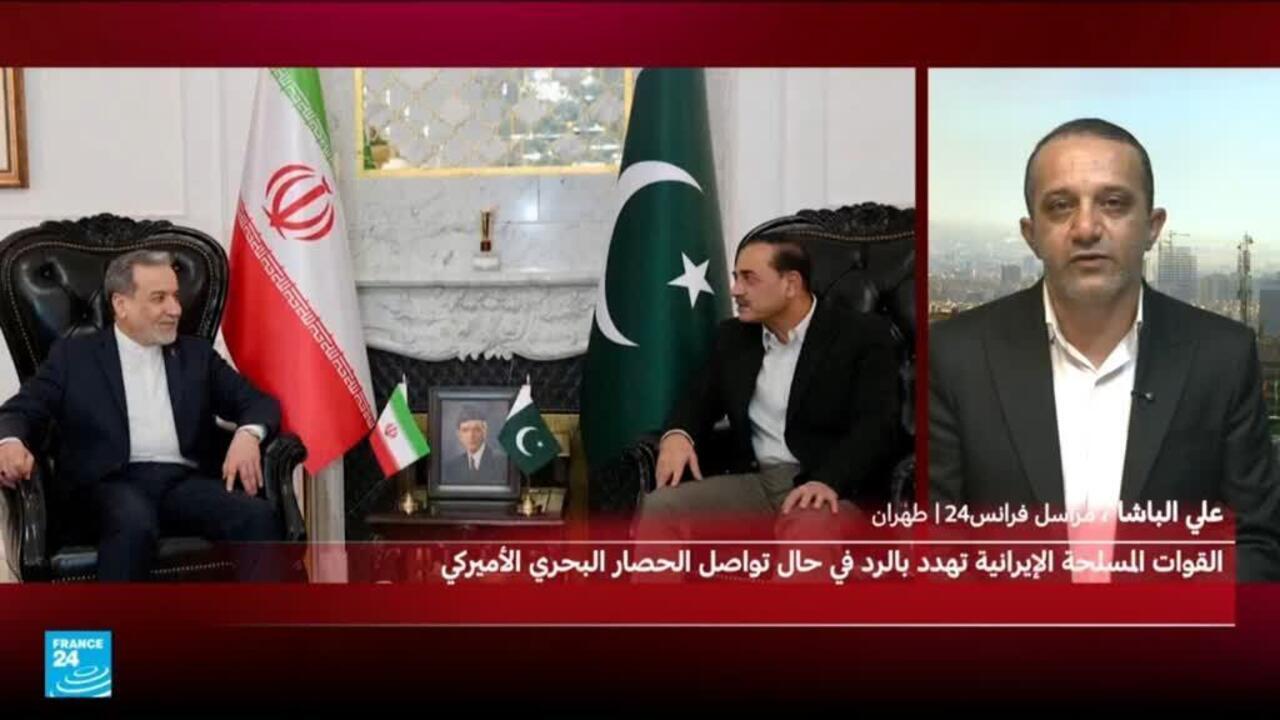
Iranian-American negotiations are ongoing in Pakistan, surrounded by uncertainty regarding the details of Iran's demands and reservations about U.S. requests. Iranian Foreign Minister Abbas Araghchi has briefed Pakistani officials on the key points Tehran aims to achieve in these discussions.
A knowledgeable Pakistani source confirmed that Iran seeks to fulfill its strategic interests amid increasing international pressures. The Iranian reservations pertain to several points that Tehran considers essential for ensuring its stability and security.
Details of the Negotiations
These negotiations are part of international efforts aimed at reviving the Iranian nuclear agreement, reached in 2015. This agreement is a central element in the relations between Iran and the United States, as both parties strive to find compromises that meet their interests.
During his meeting with Pakistani officials, Araghchi indicated that Iran hopes to receive guarantees from the U.S. side regarding the non-imposition of new sanctions. He also expressed Tehran's concerns over certain demands that it views as unacceptable, complicating the negotiations further.
Background & Context
Historically, Iranian-American relations have experienced increasing tensions since the United States withdrew from the nuclear agreement in 2018. This withdrawal led to a rise in crises in the region, escalating military and political tensions.
Pakistan, which plays a mediating role in these negotiations, seeks to strengthen its relations with both parties, considering that regional stability depends on the success of these talks. Islamabad has shown its readiness to provide the necessary support to facilitate dialogue between the two sides.
Impact & Consequences
The outcomes of these negotiations are of significant importance, not only for Iran and the United States but for the entire region. A successful negotiation could contribute to easing tensions in the Middle East and lead to greater stability in global markets.
On the other hand, if the negotiations fail, tensions may escalate, potentially leading to negative repercussions for regional security and increasing the chances of military escalation between Iran and its allies on one side, and the United States and its allies on the other.
Regional Significance
The results of these negotiations directly affect Arab countries, especially those sharing borders with Iran. Any escalation in tensions could lead to negative consequences for security and stability in these nations.
Moreover, a successful negotiation could open the door for greater cooperation between Arab countries and Iran, contributing to improved regional relations and enhancing prospects for peace in the area.
In conclusion, all eyes remain on Pakistan as Iranian-American negotiations continue, with everyone looking forward to results that could determine the future of relations between Tehran and Washington.