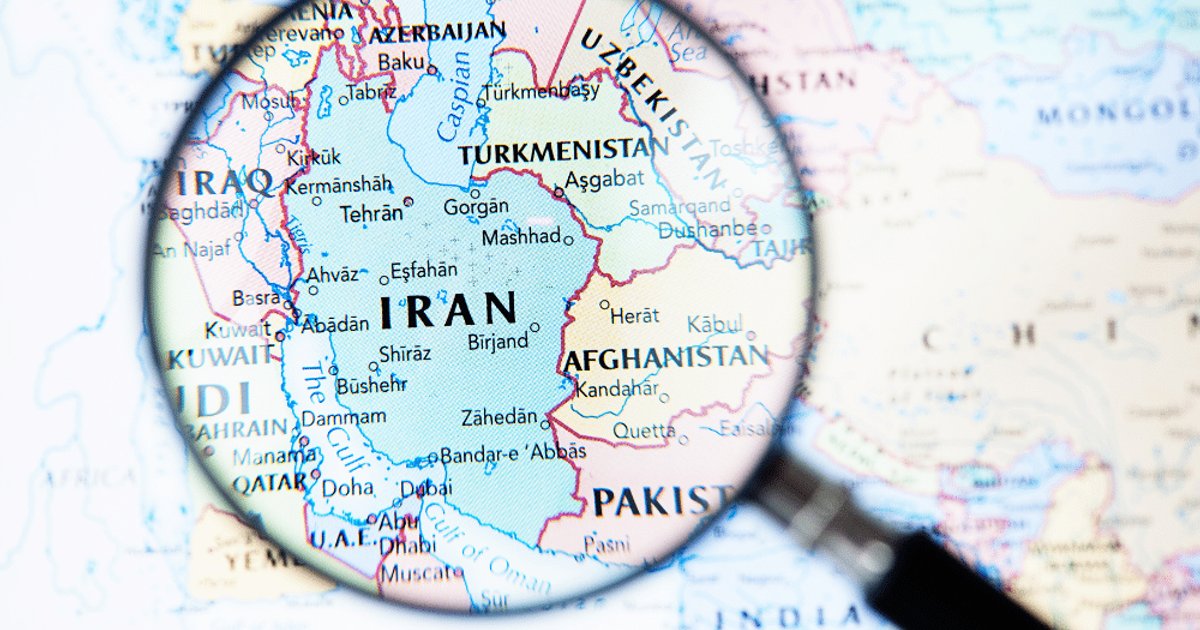
The repercussions of the Iranian war on global financial markets persist, as stocks and bonds continue to suffer from the effects of the ongoing conflict. Despite some recovery observed in these markets, forecasts indicate that the path to achieving complete stability remains long.
Reports suggest that investors are still affected by the risks of war, which is reflected in their investment decisions. While some expect a rebound in the markets, fears of escalating conflict negatively impact confidence in the economy.
Details of the Event
Over the past few months, financial markets have experienced significant volatility due to the rapid events in Iran. Political statements and military tensions have led to a state of uncertainty, prompting investors to exercise caution in their decision-making. Reports have noted that markets have yet to regain their previous levels, raising questions about the extent of the conflict's impact on global economic growth.
At the same time, analysts expect the war's influence on financial markets to persist for a long time, as complete recovery requires political and security stability in the region. However, some experts see opportunities for investment under these circumstances, especially in sectors that may benefit from geopolitical tensions.
Background & Context
Historically, Iran has been a center of political tensions in the Middle East, having witnessed numerous military conflicts and political struggles. Since the outbreak of the Islamic Revolution in 1979, Iran has been in the global spotlight, affecting the stability of the entire region. Economic sanctions imposed on Iran have exacerbated the situation, making the Iranian economy susceptible to fluctuations.
In recent years, tensions between Iran and the United States have intensified, leading to an escalation of military conflict in the region. These events have not only affected Iran but have also had widespread implications for global financial markets, as investors are directly impacted by developments in the region.
Impact & Consequences
The consequences of the Iranian war on the global economy are manifold, affecting oil prices and essential commodities, leading to increased production costs. Additionally, instability in the region reflects on foreign investment flows, heightening uncertainty in financial markets.
Moreover, fears of escalating conflict may lead to an increase in interest rates, as central banks might be compelled to take precautionary measures to address risks. This situation could negatively affect economic growth and increase pressures on financial markets.
Regional Significance
The Arab region is among the most affected by Iranian tensions, as the conflict impacts relations between Arab countries and Iran. The escalation of tensions may also lead to heightened regional disputes, increasing instability in the area.
In this context, Arab countries must take proactive steps to address the challenges arising from the Iranian conflict by enhancing economic and political cooperation and working towards achieving stability in the region. Understanding the effects of the Iranian war on financial markets is crucial for investors and decision-makers in the Arab world.