The Federal Supreme Court of Iraq has scheduled the first session to examine a lawsuit challenging the legitimacy of Ali Al-Zeidi's appointment as Prime Minister for July 1. This move is legally unprecedented since the formation of the current government and reflects the existing political tensions in the country.
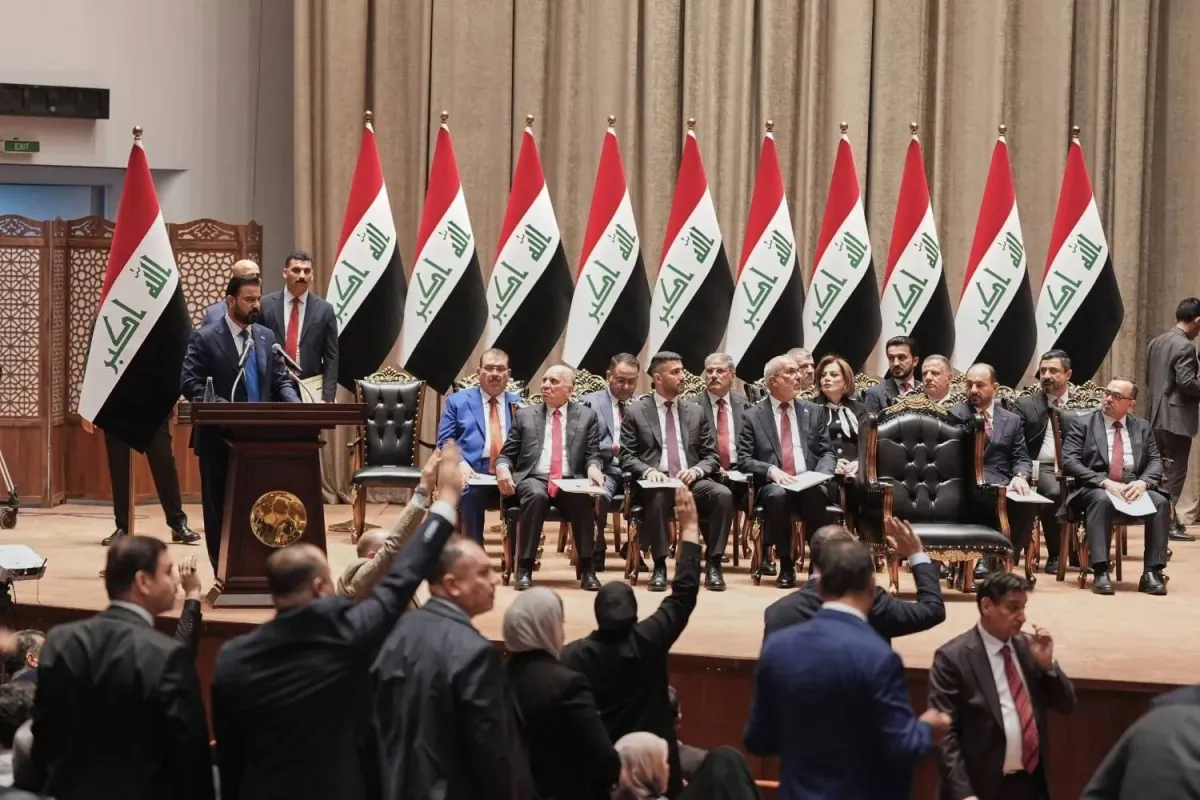
This announcement coincides with the efforts of political forces that have failed to pass their candidates for ministerial positions, as they seek legal options to contest the voting procedures within the parliament. These developments occur amid rising debates over the constitutional mechanisms governing the formation of the Iraqi government.
Details of the Case
Former MP Raed Al-Maliki announced that he received an official notification via email, which included the response submitted by the representative of the President of the Republic in the lawsuit filed before the court. The response included legal defenses, notably the lack of legal standing for the challenging party and the improper direction of the dispute, as it was argued that the appointment was made by the largest parliamentary bloc, not the President.
Ali Al-Zeidi, considered a mysterious figure in the Iraqi political scene, owns media companies, raising questions about potential conflicts of interest following his appointment. The legal memorandum emphasized the necessity for holders of high office to relinquish any private interests upon assuming their responsibilities, or they risk legal accountability.
Background & Context
Historically, Iraq has witnessed numerous political crises, with government formations often surrounded by controversy and disputes. Al-Zeidi's appointment followed the withdrawal of former Prime Minister Nouri Al-Maliki from the nomination race, adding complexity to the political landscape. Al-Zeidi is viewed as a compromise candidate, enjoying support from a significant parliamentary bloc, reflecting the intricate political balances in the country.
The Federal Supreme Court, according to its Law No. 30 of 2005, first examines the issues of standing and dispute before delving into the subject matter of the lawsuit. The court is expected to utilize additional evidentiary means, such as recordings or technical experts, further complicating the case.
Impact & Consequences
If the court affirms the legitimacy of the appointment, it will bolster Al-Zeidi's position and provide him with the necessary legitimacy to form a government. Conversely, if the court rules against the legitimacy of the appointment, it could lead to a new political crisis in Iraq, reigniting disputes among political forces regarding government formation.
All eyes are on the Federal Supreme Court, where a delay in ruling on the lawsuit for a period exceeding a month is anticipated. The court's decisions are final and binding, meaning any ruling it issues will have a significant impact on the political landscape in Iraq.
Regional Significance
The political events in Iraq significantly affect Arab countries, as Iraq is considered a strategic center in the region. Any changes in the Iraqi government could impact regional relations, especially with neighboring countries. Additionally, political stability in Iraq is deemed a crucial factor for achieving stability across the region as a whole.
In conclusion, attention remains focused on the Federal Supreme Court and the outcomes of the upcoming sessions, as this event is pivotal in the modern history of Iraq.