Last Sunday, Israel launched a series of airstrikes across Lebanon, particularly targeting areas in the southern and eastern parts of the Lebanese capital, Beirut, as well as the southern suburbs. These operations resulted in several casualties, heightening tensions in the region.
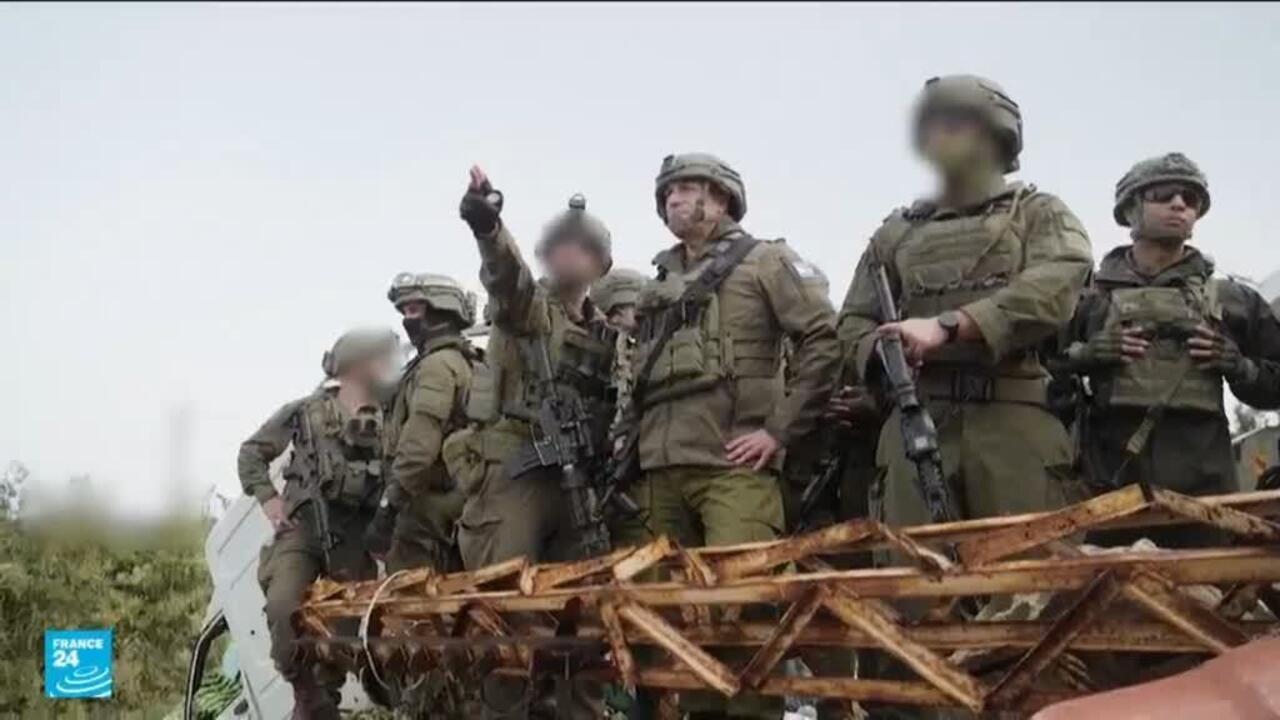
Amid the escalation of military operations, Israeli Chief of Staff, Eyal Zamir, stressed the necessity of intensifying operations against Hezbollah, which receives support from Iran. This statement came during his tour in the Ras al-Biyada area, located in the far north of southern Lebanon, where several Israeli soldiers are stationed.
Details of the Event
The airstrikes carried out by Israel are part of a continuing military escalation, targeting sites believed to be associated with Hezbollah. The strikes focused on vital areas, leading to injuries among civilians, raising international concerns regarding the humanitarian situation in Lebanon.
The Israeli military operations come at a sensitive time, with increasing fears of a broader conflict erupting in the region. Observers have noted that these strikes could lead to greater escalation in tensions between Israel and Hezbollah, threatening stability in Lebanon.
Background & Context
Historically, Lebanon has witnessed numerous armed conflicts, with Hezbollah always at the center of these disputes, particularly with Israel. Since 2006, when the Second Lebanon War broke out, relations between the two sides have been persistently tense, marked by exchanges of attacks and threats.
In recent years, Israeli military activities against Hezbollah have increased, especially with the rising Iranian influence in the region. These dynamics complicate the prospects for peace and stability in Lebanon, where the Lebanese people are suffering from economic and political crises.
Impact & Consequences
The recent Israeli airstrikes could exacerbate the humanitarian situation in Lebanon, where residents are facing severe shortages of essential resources. Additionally, the military escalation may drag the region into a comprehensive conflict, affecting neighboring countries and increasing the number of displaced persons.
On the other hand, these operations may strengthen Hezbollah's position domestically, as it could exploit the situation to boost its popularity among Lebanese citizens, complicating the political landscape in the country.
Regional Significance
The repercussions of these strikes extend beyond Lebanese borders, potentially affecting relations between Arab countries and Israel. The military escalation may also provoke reactions from other countries in the region, heightening regional tensions.
Under these circumstances, the international community must intervene to prevent further escalation and work towards peaceful solutions to the ongoing conflict. Continued violence will only lead to more suffering for the people in the region.