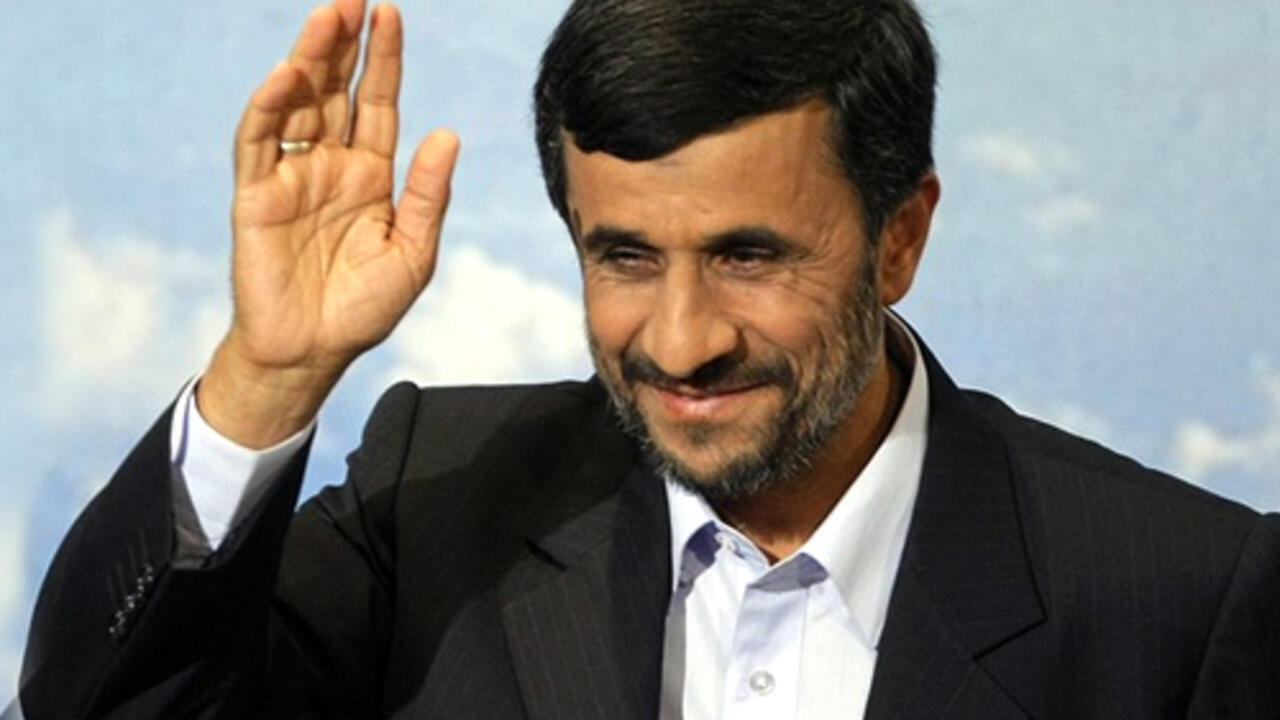
The New York Times reported that an Israeli airstrike targeting Iran on February 28 aimed to liberate former Iranian President Mahmoud Ahmadinejad from house arrest. This operation was part of a broader effort to instigate a regime change in Iran and assist Ahmadinejad in returning to power.
In the days following the Israeli strikes, which resulted in the deaths of several Iranian leaders, former U.S. President Donald Trump expressed that it would be preferable for someone from within Iran to take charge, indicating Washington's desire to support local figures rather than impose external ones.
Details of the Event
It is noteworthy that Ahmadinejad, who served as Iran's president from 2005 to 2013, is known for his hardline stances, particularly against Israel and the United States. However, the Israeli airstrike that targeted his home in Tehran led to his injury, dramatically thwarting plans for his reinstatement.
American officials familiar with the details of this plan reported that Ahmadinejad had been consulted regarding the operation, but his injury in the strike left him disillusioned about the possibility of regime change. These events reflect the complexities of the conflict between Iran and Israel, where military and political dimensions are deeply intertwined.
Background & Context
The strained relations between Iran and Israel date back decades, with Israel viewing Iran as an existential threat due to its nuclear program and regional influence. Recent years have seen an escalation in tensions, particularly following the United States' withdrawal from the Iranian nuclear deal in 2018.
Israel, supported by the United States, seeks to undermine the Iranian regime by targeting military and political leadership. Recent airstrikes have demonstrated a clear strategy aimed at weakening the Iranian government, reflecting Israeli concerns over Tehran's continued influence in the region.
Impact & Consequences
The failure of the plan to restore Ahmadinejad to power could have significant repercussions for American and Israeli strategies in the region. This may lead to a reassessment of military and political plans regarding Iran, especially given the inability to achieve swift objectives.
Additionally, this failure could bolster the position of the current Iranian government, making it more cohesive in the face of external pressures. This indicates that American and Israeli estimates regarding the potential for regime change in Iran may be based on unrealistic foundations.
Regional Significance
Events in Iran directly impact stability in the Arab region, as Iran is a key player in regional conflicts. Any change in the Iranian regime could affect the balance of power in the Middle East, reflecting on neighboring Arab countries.
It is crucial for Arab nations to monitor developments in Iran, as any escalation could lead to security and economic repercussions. Furthermore, relations between Arab states and Iran could be significantly affected by these events.
In conclusion, events in Iran remain a focal point of global interest, especially amid ongoing tensions between major powers. The failure of the plan to restore Ahmadinejad to power highlights the complexities faced by the United States and Israel in their efforts to change the regime in Tehran.