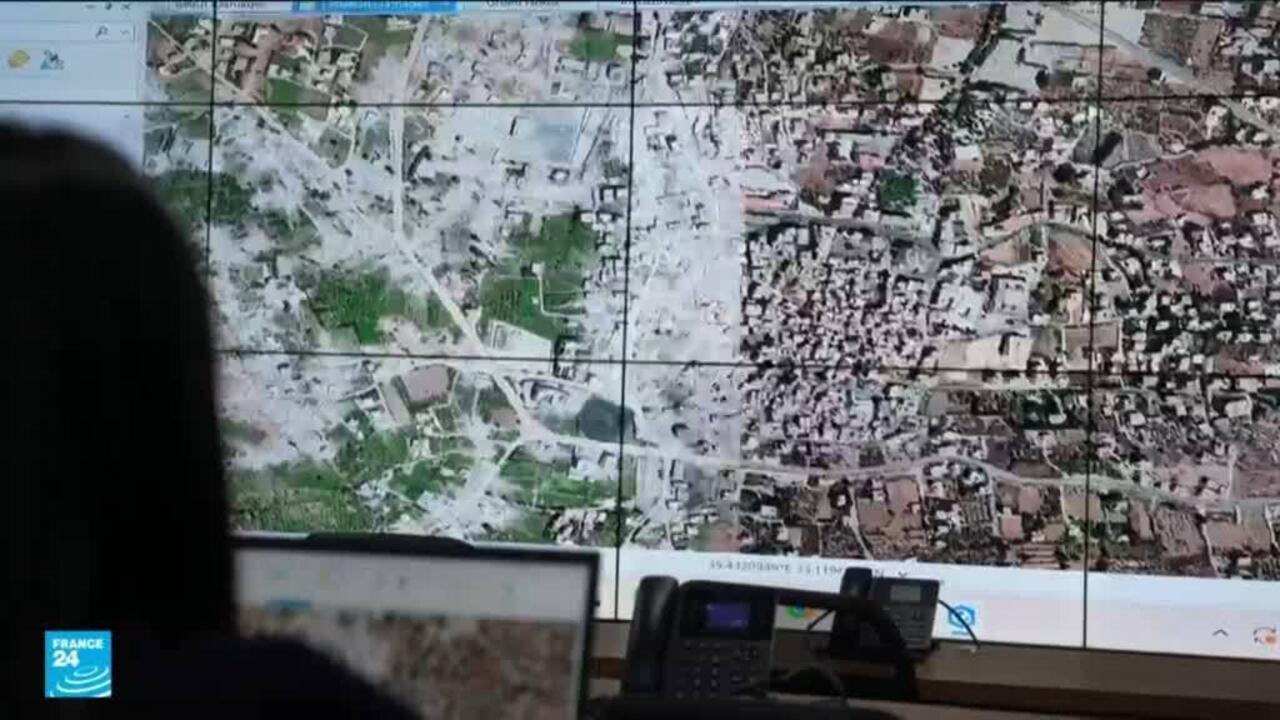
On Friday, Israeli forces announced an airstrike in southern Lebanon that resulted in the deaths of two individuals they claimed were militants acting in a "suspicious manner." Meanwhile, the Lebanese National News Agency reported that another strike targeted the town of Hanawiya near Tyre, leading to the deaths of four healthcare workers and injuring nine others in the vicinity of the Tebnine government hospital.
These airstrikes come at a sensitive time, as tensions between Lebanon and Israel have escalated recently, raising fears of military escalation that could impact regional stability. Lebanese authorities have condemned these attacks, considering them a violation of Lebanese sovereignty.
Details of the Incident
According to official data, the airstrike that targeted the town of Hanawiya occurred on Thursday, where the victims were working in healthcare. This incident raises concerns about the safety of civilians in conflict-affected areas, especially given the dire humanitarian conditions faced by residents in southern Lebanon.
On the other hand, the Israeli army indicated that the airstrike targeting the militants was based on intelligence information, viewing them as a threat to Israeli security. However, these statements have not alleviated the criticisms directed at Israeli military operations in Lebanon.
Background & Context
Historically, the Lebanese-Israeli border has witnessed ongoing tensions, with southern Lebanese areas frequently subjected to military operations by Israel. These operations often result in civilian casualties, exacerbating the suffering of local populations.
In recent years, clashes between Hezbollah and Israeli forces have intensified, complicating the situation further. Additionally, the ongoing conflict in neighboring Syria has also impacted security in Lebanon, leading to an increase in displaced persons and refugees.
Impact & Consequences
These airstrikes underscore the urgent need for a resolution to the Lebanese-Israeli conflict, as the continuation of military operations could worsen the humanitarian situation in the region. Moreover, military escalation may negatively affect regional stability and increase the risk of a broader conflict.
Concerns are growing that these events could provoke reactions from Lebanese factions, potentially worsening the security situation and heightening tensions in the region. The international response to these events will be crucial in determining the course of future developments.
Regional Significance
The events in Lebanon are part of the larger picture of crises in the Arab region, where many countries are suffering from internal and external conflicts. The ongoing tensions between Lebanon and Israel could affect relations between Arab states and Israel, increasing divisions in political stances.
Furthermore, the situation in Lebanon may impact stability in neighboring countries such as Syria and Palestine, necessitating greater international attention to resolve conflicts in the region.
In conclusion, the recent events in Lebanon serve as a reminder of the need to work towards achieving peace and stability in the region, as the continuation of violence will only lead to further suffering for civilian populations.