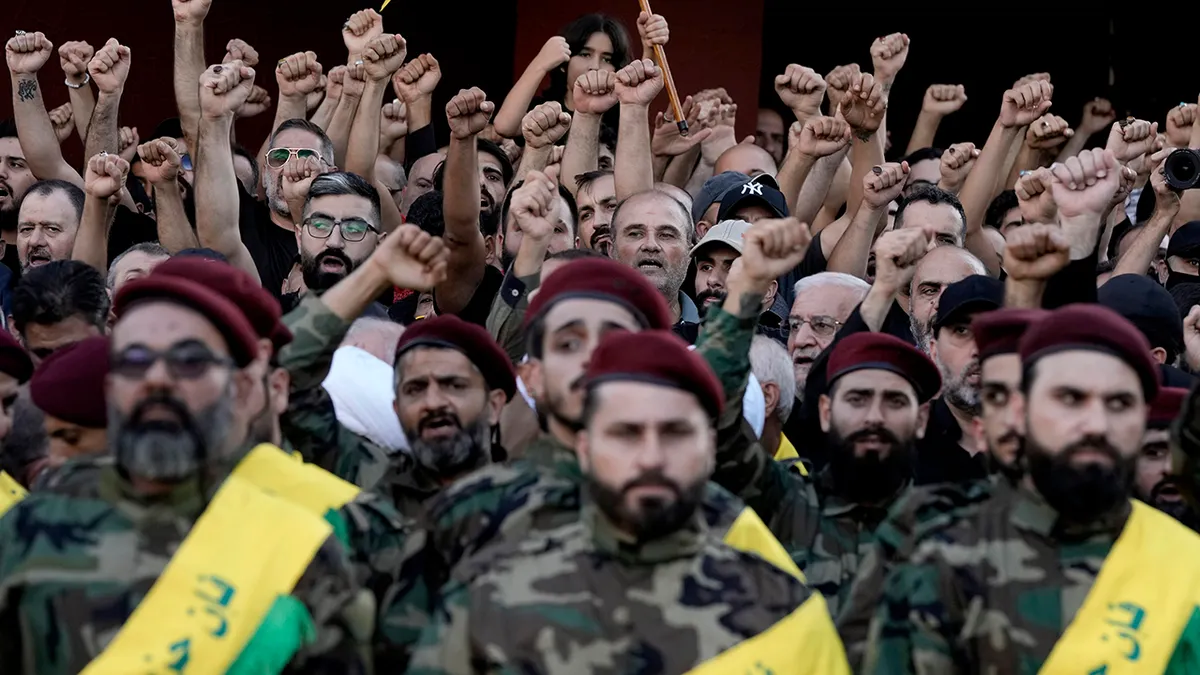
The Israeli army has confirmed its continuation of ground military operations against Hezbollah in Lebanon, emphasizing an escalation in fighting in the region. This announcement comes as tensions between the two sides are on the rise, raising concerns about potential repercussions for regional security.
The Israeli military operations involve targeting Hezbollah positions, with reports indicating that the army is conducting airstrikes and artillery shelling on specific targets. A military spokesperson noted that these operations are part of defending Israeli borders and ensuring the safety of citizens.
Details of the Ongoing Conflict
Clashes between Israeli forces and Hezbollah continue, with operations concentrated in border areas. Reports have shown an increase in the number of Israeli soldiers participating in these operations, reflecting the army's seriousness in addressing potential threats from Hezbollah.
The Israeli army has also indicated that it is closely monitoring Hezbollah's movements and updating its military strategies based on available intelligence. These operations are occurring during a sensitive period, as Lebanon faces significant economic and political challenges, complicating the security situation.
Background & Context
Historically, the Lebanese-Israeli border has experienced ongoing tensions, with Hezbollah being one of the prominent armed factions in Lebanon. The group has engaged in several wars with Israel since its establishment in the 1980s. In recent years, tensions have notably escalated, particularly following mutual attacks between the two parties.
These operations occur amid the political and economic crises that Lebanon is enduring, where the Lebanese people face significant difficulties in securing their basic needs. This exacerbates the internal situation and affects the Lebanese government's ability to address external threats.
Impact & Consequences
Analyses suggest that the continuation of military operations could lead to a larger escalation in the conflict, threatening the stability of the entire region. Additionally, military escalation may impact relations between Lebanon and Israel, intensifying tensions among various parties in the region.
Moreover, these operations could worsen the humanitarian situation in Lebanon, where residents are suffering from the effects of the ongoing conflict, increasing their hardships amid challenging economic conditions.
Regional Significance
The current developments in Lebanon are of great importance to the Arab region, reflecting ongoing conflicts between regional powers. The military escalation could also affect peace and stability efforts in the area, complicating political situations further.
In light of these circumstances, the international community must closely monitor the situation and work towards finding peaceful solutions to the ongoing conflicts to achieve stability in the region.