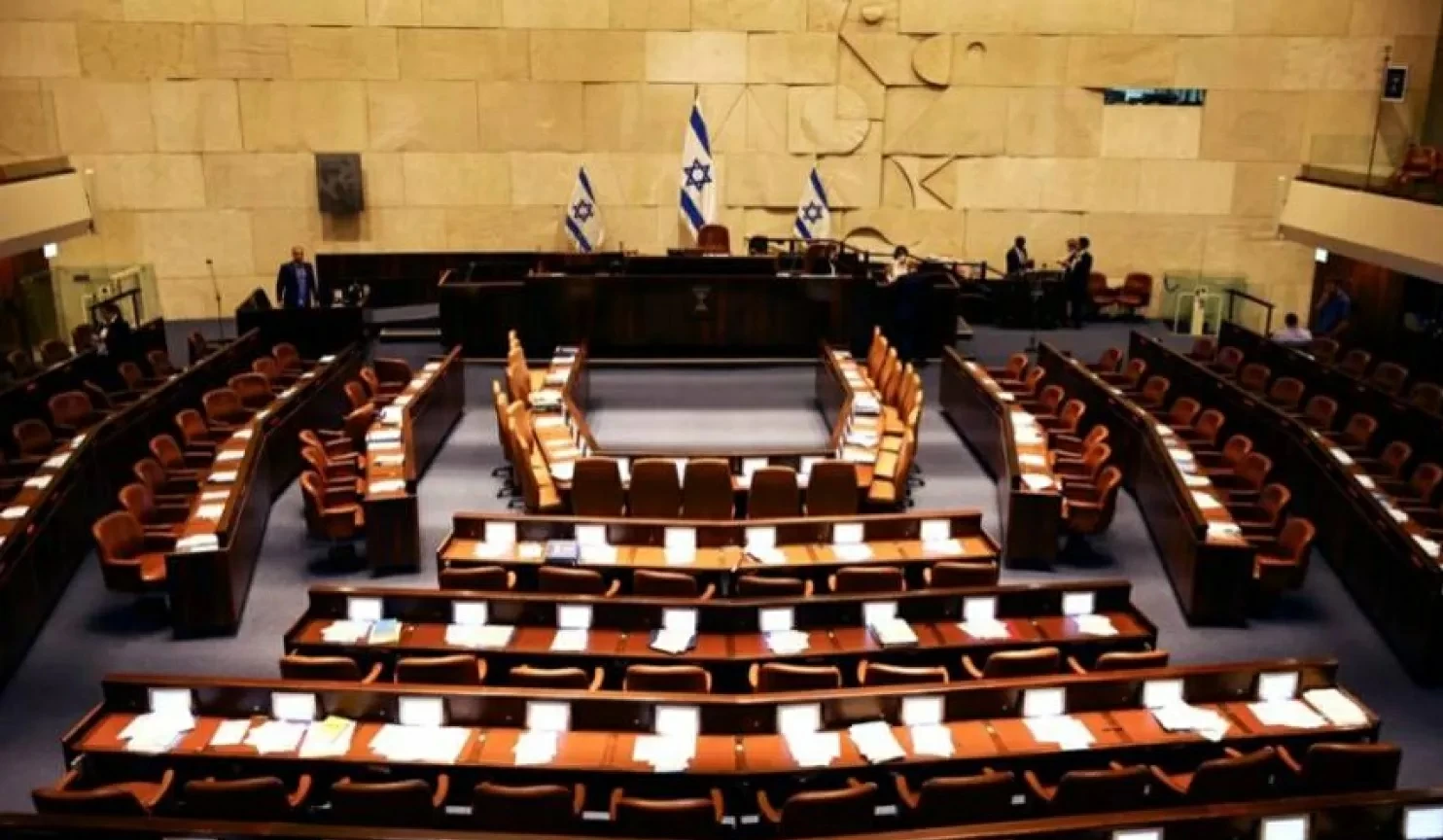
The Israeli Knesset voted today (Wednesday) in its preliminary reading on a bill to dissolve itself, achieving a majority of 110 members with no opposition. This vote occurred in the absence of Prime Minister Benjamin Netanyahu, who was occupied with a security meeting. This vote marks the first step towards early elections, as the bill requires three readings to pass.
The current Knesset's term ends in October, with elections scheduled for the 27th of that month. However, reports suggest that elections could be proposed for September 1. In this context, Netanyahu continues negotiations with the Haredi parties to delay the dissolution of parliament, even after the bill has passed its preliminary reading.
Details of the Event
According to the newspaper Haaretz, Netanyahu, who faces accusations from the International Criminal Court of committing war crimes in Gaza, still prefers to hold elections on the original date. The newspaper Israel Hayom reported that there are two legal proposals to dissolve the Knesset, one from the government and the other from the opposition, with religious parties supporting both proposals to ensure that Netanyahu cannot later retract the government's bill, which could disrupt the early election process.
After the bill is approved in the preliminary reading, it will be forwarded to the Knesset committee for further study and to determine the election date. To hold elections on September 1, the Knesset must dissolve itself quickly within 10 days from today, as the law requires at least 90 days from the date of dissolution until the actual elections.
Background & Context
These developments come at a sensitive time for Israeli politics, as the country is experiencing political instability. Netanyahu, who has led the government for a long time, faces significant challenges related to legal investigations against him, complicating the political situation further. The Haredi parties also play a pivotal role in shaping political alliances, impacting the future of the government.
Historically, the Israeli Knesset has seen several attempts to dissolve itself, often linked to political crises or disagreements among parties. This time, the situation appears more complicated due to the legal and political pressures facing Netanyahu.
Impact & Consequences
If elections are held on the proposed date, it could lead to significant changes in the Israeli political landscape. Early elections may reflect voters' desire for change, especially amid the crises facing Netanyahu. On the other hand, elections could strengthen the position of opposition parties, potentially altering the balance of power in the Knesset.
Internationally, these elections could affect Israel's relations with other countries, especially amid regional tensions. Any change in government could reshape Israeli foreign policy, impacting relations with Palestinians and Arab nations.
Regional Significance
The political developments in Israel are of great importance to the Arab region, as any changes in the Israeli government could impact the peace process and relations with Arab countries. If an opposition coalition wins, Israeli policies towards Palestinians may change, potentially opening new avenues for dialogue.
Ultimately, the political situation in Israel remains a significant concern for Arab nations, as any changes could affect regional stability and reshape relationships between countries.