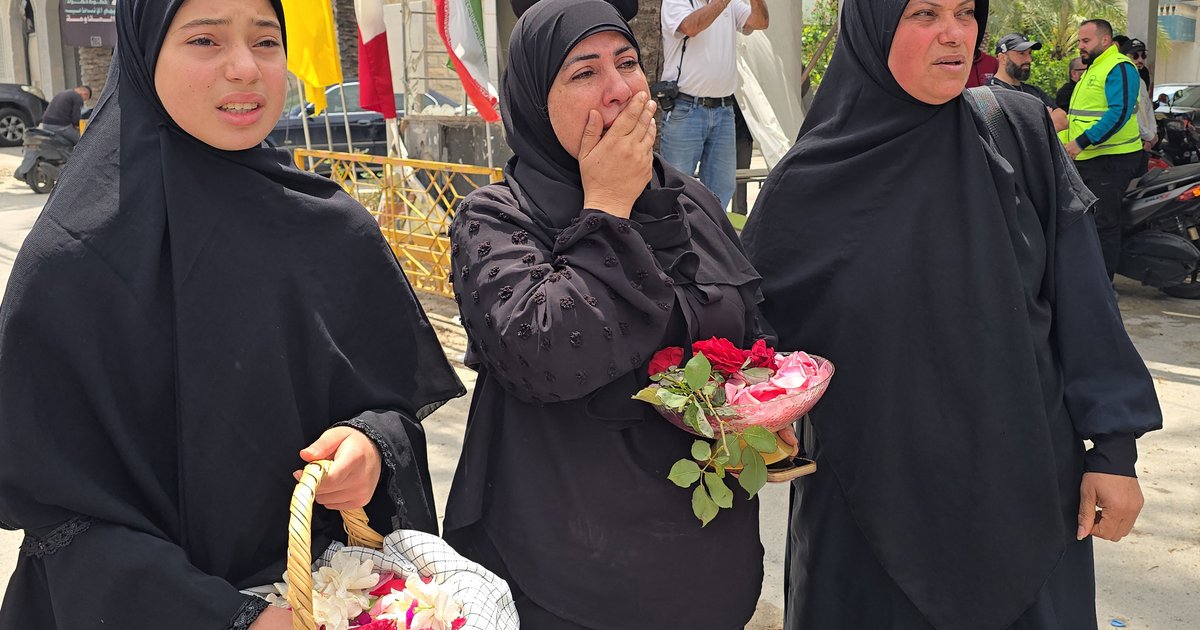
The Lebanese Ministry of Health has announced that the Israeli airstrikes targeting Lebanon since March 2 have led to the deaths of 3089 people and injuries to 9397 others as of May 21. This announcement comes amid ongoing international pressure for a permanent ceasefire in the region.
Reports indicate that the Israeli airstrikes have not ceased despite the existence of a ceasefire agreement, exacerbating the suffering of civilians in Lebanon and reflecting the escalating tensions in the area. The humanitarian situation in Lebanon is worsening as the number of casualties and injuries rises, necessitating international intervention to put an end to these violations.
Details of the Strikes
The Israeli strikes on Lebanon continue, targeting residential areas and infrastructure, resulting in widespread destruction. The Lebanese Ministry of Health confirmed that the reported figures include victims from various age groups, highlighting the devastating impact of the conflict on civilian lives.
The airstrikes have not been limited to specific areas but have included several cities and villages, leading to the displacement of many residents seeking safety. This situation reflects a state of chaos and instability that the country is experiencing amid rising regional tensions.
Background & Context
The history of the Lebanese-Israeli conflict spans decades, with the region witnessing numerous wars and disputes. Since 2006, the Lebanese-Israeli border has experienced increasing tensions, particularly with the escalation of military activities from both sides. Previous ceasefire agreements have not been sufficient to ensure lasting peace, complicating the humanitarian situation in Lebanon.
In recent years, Lebanon has faced mounting pressures due to economic and political crises, making the situation more fragile. External pressures from major powers have not yielded tangible results, further increasing the suffering of the Lebanese people.
Impact & Consequences
The repercussions of the Israeli strikes on Lebanon are not only humanitarian but also encompass political and economic dimensions. The rising number of casualties and injuries places significant pressure on the Lebanese government, requiring a swift and effective response from the authorities.
The Lebanese economy, already suffering from multiple crises, may face additional pressures as a result of these strikes, affecting social and economic stability in the country. Furthermore, the continuation of violence could lead to an escalation of tensions in the region, threatening regional security.
Regional Significance
The events in Lebanon are part of the larger picture of the Arab-Israeli conflict, influencing relations between Arab countries and Israel. The ongoing military pressures on Lebanon may provoke reactions from Arab nations, complicating the situation in the region.
On a humanitarian level, what is happening in Lebanon raises concerns among many Arab countries striving for stability in the region. It is crucial that international and local efforts combine to put an end to these violations and protect civilians in Lebanon.