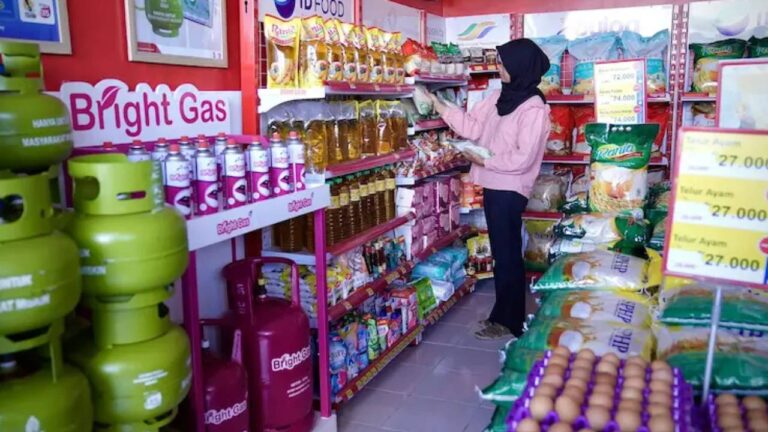
Indonesian Food Coordination Minister Zulkifli Hasan announced that Merah Putih Cooperatives will become the responsible entity for distributing various social aid to citizens in rural areas. Hasan confirmed that this initiative will benefit approximately 18 million people, reflecting the government's commitment to enhancing social support for the most vulnerable groups.
During a press conference held in Jakarta, Zulkifli explained that Merah Putih Cooperatives will distribute food aid, the Family Hope Program (PKH), and other social assistance. He also noted that these cooperatives will play a pivotal role in facilitating local economic activities by providing multiple services.
Event Details
Merah Putih Cooperatives aims to act as an agent for distributing liquefied gas, in addition to supporting rice distribution through the supply and price stabilization program. It will also contribute to providing agricultural fertilizers, enhancing local farmers' ability to market their products.
Zulkifli mentioned that the cooperatives will also assist in providing low-interest loans of up to 6% annually, aiming to protect citizens from exploitation by informal lenders. Additionally, refrigerated storage facilities will be established to support the fishing sector, making it easier for fishermen to store their products more effectively.
Background & Context
This initiative comes as part of the government's ongoing efforts to improve living standards in rural areas, where many villages suffer from resource shortages and lack of support. Historically, Indonesia has faced significant challenges in effectively distributing aid, leading to widespread poverty in some regions.
Merah Putih Cooperatives is part of a broader strategy aimed at enhancing cooperation between the government and local communities, contributing to sustainable development. Previous experiences have shown that cooperatives can play a vital role in improving economic and social conditions in local communities.
Impact & Consequences
Merah Putih Cooperatives is expected to significantly contribute to improving the economic situation of citizens by providing job opportunities and enhancing local production. It will also help reduce reliance on high-interest loans, thereby promoting financial stability for families.
Furthermore, this initiative may contribute to strengthening food security by improving supply chains and providing food products at affordable prices. Consequently, the success of this initiative could serve as a model for other countries facing similar issues.
Regional Significance
Indonesia's experience in promoting cooperatives and distributing social aid could be a useful model for Arab countries facing similar economic and social challenges. Arab nations can benefit from this experience in developing local strategies to enhance sustainable development and improve living standards.
Given the economic challenges facing many Arab countries, such initiatives may be essential to foster cooperation between the government and local communities, contributing to comprehensive development.