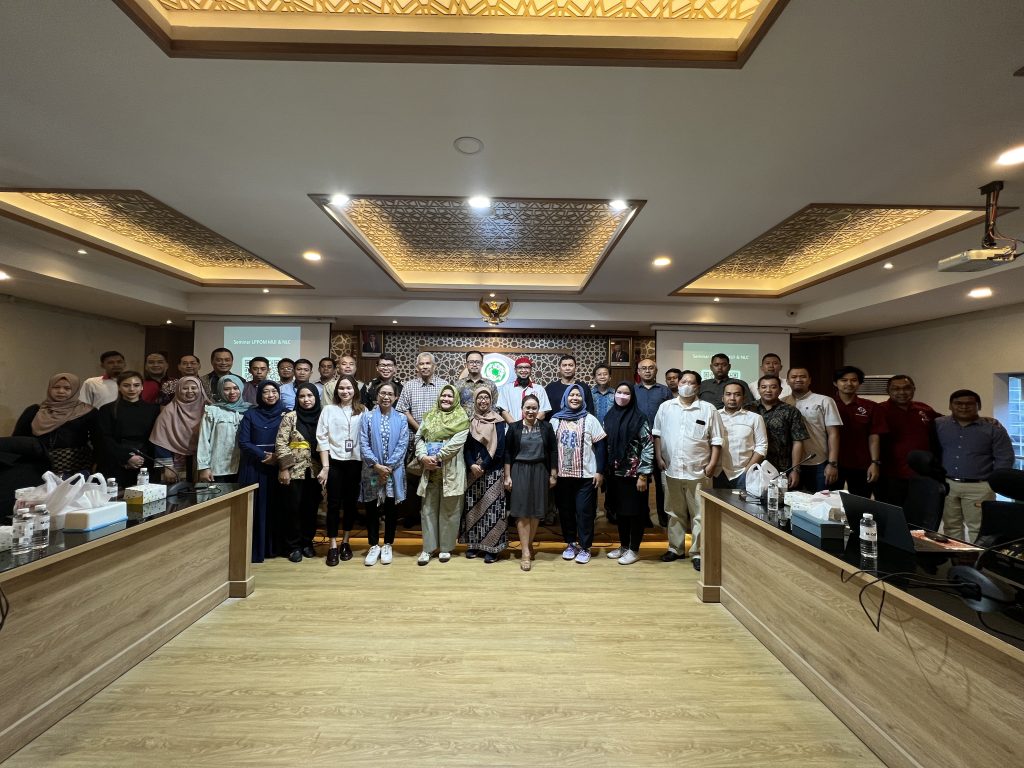
In a significant step towards enhancing the halal product assurance system in Indonesia, the Indonesian Halal Product Assurance Agency (BPJPH) has announced the preparation of a draft supervisory guide aimed at defining the roles and responsibilities of halal supervisors. This announcement comes at a time when the Indonesian government is striving to improve the effectiveness of the halal product assurance system (SJPH) across various companies.
In a statement, Chuzaimi Abidin, Deputy Director of the Halal Product Assurance Development Division at the agency, stated that the new guide will serve as a clear reference for halal supervisors in performing their duties. He emphasized that this effort aligns with government policies aimed at gradually implementing halal certification processes, as stipulated in Law No. 33 of 2014 and Government Regulation No. 42 of 2024.
Details of the Initiative
Halal supervisors are considered a crucial element in ensuring the consistent application of the halal product assurance system in companies. Abidin explained that the new guide will provide a clear framework for supervisors, facilitating their effective performance of duties. He also highlighted the importance of enhancing halal supervisors' understanding of the system's mechanisms and how to apply it in various work environments.
Moreover, Mohammad Farid Wajdi, Director of the Halal Product Assurance Development Division, confirmed that the agency also aims to enhance supervisors' efficiency through training programs designed to improve their skills. He explained that these programs will help strengthen coordination between supervisors and company management, which is vital for the sustainability of the system's implementation.
Background & Context
The Indonesian Halal Product Assurance Agency was established as part of the government's efforts to enhance trust in halal products, especially amid the growing demand for these products in local and international markets. The halal product assurance system is part of the government's strategy to promote the Islamic economy in the country, as Indonesia aspires to become a global center for halal products.
Historically, Indonesia has been among the leading countries in halal certification, possessing the largest Muslim population in the world. However, challenges related to the effective implementation of halal standards remain, necessitating ongoing efforts to improve systems and procedures.
Impact & Consequences
The new supervisory guide is expected to contribute to improving the quality of halal products in the markets, thereby enhancing consumer confidence and increasing demand for these products. Additionally, improving the efficiency of halal supervisors will help reduce risks associated with the application of halal standards, bolstering Indonesia's reputation as a reliable source of halal products.
Furthermore, enhancing the halal product assurance system may open new avenues for trade and investment in this sector, benefiting the national economy and strengthening Indonesia's position in the global market.
Regional Significance
Indonesia is considered one of the largest markets for halal products, making it an important partner for Arab countries in this field. The efforts made by Indonesia can contribute to enhancing trade cooperation with Arab nations, especially amid the increasing demand for halal products in the region.
Moreover, improving the halal product assurance system in Indonesia can serve as a model for other Arab countries, reinforcing joint efforts to promote the Islamic economy and meet the needs of Muslim consumers.